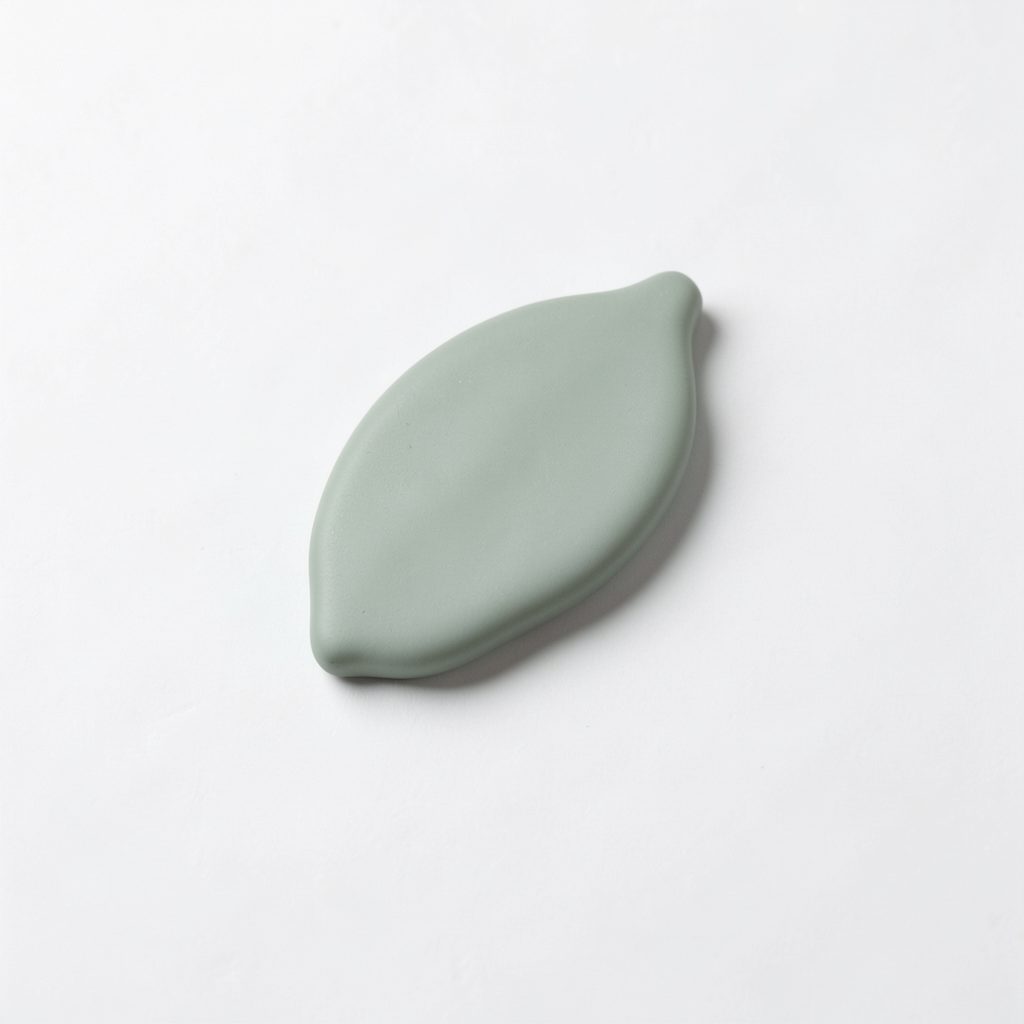
 The Accessorator
Decorative plates as art for Australian interiors
Decorative plates have moved well beyond the dining table and the predictable symmetrical wall display. A hand-painted ceramic, a sculptural stoneware platter or a brightly patterned vintage plate can act as a small artwork, colour note, tabletop object or architectural accent. Its circular shape brings softness to rooms filled with straight lines, while its surface offers an intimate place for pattern and craft.
For Australian homes, this approach suits a relaxed mix of old and new. A weatherboard cottage in Melbourne, a compact Sydney apartment or a light-filled Queenslander can each use decorative dishware differently. The right piece may echo a rug, interrupt a plain wall, frame a mirror or add a little visual warmth to an otherwise functional space.
The most successful arrangements feel collected rather than purchased all at once. Browse the observations and visual references on Accessorator's design archive for the broader relationship between objects, fashion, interiors and art. Then consider where a plate can live, how it will be seen and whether its material deserves to be touched as well as admired.
Treat the plate as a piece of art
A decorative plate does not need to be rare or expensive to have presence. A bold cobalt rim, an uneven glaze, an abstract botanical motif or a maker’s mark can give it the visual authority of a print. Look for qualities that would attract your attention in a gallery: an unusual balance of colour, evidence of the hand, an intriguing silhouette or a surface that changes in different light.
Scale matters. A large charger can anchor a narrow wall beside a doorway, while a group of small plates can create a constellation above a console. Rather than filling every gap, leave breathing room around each piece. This allows the eye to register the differences between porcelain, terracotta, raku, enamel and carved wood.
Colour is a useful bridge between decorative dishware and the rest of the room. A plate might repeat the dusty pink of a linen cushion, pick up the green of indoor foliage or introduce a flash of saffron against a neutral sofa. In coastal Australian interiors, blue and chalky white can feel familiar without becoming overly themed; in a darker Melbourne room, rust, plum and tobacco tones can create depth.
Display them without relying on the wall
Traditional plate hangers are only one option, and often not the most elegant one. A shallow picture ledge lets you layer plates with framed photographs, small paintings and postcards. This arrangement is easy to adjust and works well for renters who cannot make extensive alterations. A narrow shelf in a kitchen, hallway or home office can turn a rotating collection into a living still life.
Open shelving offers another relaxed solution. Stand plates vertically behind books, glassware or a row of ceramics, using discreet plate stands to keep them secure. On a mantel or sideboard, lean one generously sized piece against the wall and place a smaller bowl or candle in front. The overlap creates depth without demanding a rigid composition.
For a more architectural effect, install a plate rack or a shallow timber cabinet. In a Queenslander, a painted rack can complement the home’s traditional details; in a contemporary apartment, blackened steel or pale oak may provide a sharper contrast. Always check that shelves are properly fixed, particularly in homes exposed to vibration, children or active pets.
Alternative homes for a decorative plate
- Leaned on a picture ledge among framed art
- Used as a catch-all on an entry console
- Displayed upright in an open kitchen shelf
- Placed beneath glass on a coffee table
Build a composition with rhythm
A collection becomes convincing when it has a visual rhythm. Repeat one quality, such as a blue accent, a scalloped edge or a matte finish, while allowing the shapes and makers to vary. A group of entirely matching plates can look formal; a group with no shared relationship can appear accidental. The balance lies in a common thread with enough contrast to keep the arrangement lively.
Try arranging plates on the floor before committing to a wall. Begin with the largest piece, then place medium and small forms around it. Consider a loose oval, an asymmetric cluster or a vertical column rather than an exact grid. A paper template held against the wall can reveal whether the arrangement is too crowded, especially in a narrow Australian hallway where circulation space is limited.
The wall itself is part of the composition. Warm white paint will make colourful ceramics feel crisp, while a mineral-toned background can soften pale porcelain. Textured plaster, timber panelling and patterned wallpaper can all work, but busy backgrounds require fewer pieces and stronger silhouettes. In a rental property, removable picture-hanging systems may be suitable for lighter objects, subject to the landlord’s written permission and the terms of the relevant state tenancy legislation.
Details that help a plate collection cohere
- Repeat one colour at least twice
- Mix large, medium and small formats
- Leave visible space between silhouettes
- Include one unexpected material or shape
Give plates a working role
Decorative plates can be useful as well as beautiful. A substantial ceramic dish on an entry table can hold keys, sunglasses and loose change. A small plate beside the bed can contain jewellery, while a shallow platter on a desk can organise clips, stamps or folded notes. When a treasured object has a daily purpose, it becomes part of the household rather than a fragile item reserved for special occasions.
On a dining table, use statement plates beneath bowls or as chargers, provided the material and finish are suitable for food contact. Ask the maker or retailer whether a glaze is food-safe, dishwasher-safe and resistant to thermal shock. Some handmade surfaces are intended for display only, and Australian Consumer Law requires products to be accurately described, but it is still sensible to confirm care instructions before using an artisan piece every day.
A plate can also serve as a small tray for a plant pot, provided water cannot sit against the surface. Add felt pads beneath ceramics placed on timber, stone or polished metal to prevent scratches. In homes that make frequent use of balconies and outdoor entertaining areas, reserve delicate plates for sheltered settings; intense sun, sudden temperature shifts and moisture can affect finishes over time.
Shop thoughtfully and care for the collection
Australia’s design market offers many ways to find distinctive pieces. Independent ceramic studios in Melbourne and Sydney, gallery shops, regional craft centres, antique stores, weekend makers’ markets and well-chosen op shops can all yield interesting finds. Online marketplaces broaden the search, but photographs may hide hairline cracks, repairs or uneven glaze, so ask for close-up images and measurements before buying.
Travelling through places such as the Blue Mountains, regional Victoria or Tasmania can make decorative plates meaningful souvenirs when chosen from local makers. A single handmade piece connected to a place often has more character than a generic set. Keep notes about the artist, location and date of purchase; this small record adds context and makes it easier to insure or value a growing collection.
Dust plates with a soft, dry cloth and handle them with both hands. Avoid stacking glazed display pieces where rims can rub, and store extras with thin felt or acid-free tissue between them. For wall-mounted work, inspect hooks and fittings periodically. In strata apartments, check building rules before drilling into shared or restricted surfaces, and follow any requirements concerning fixtures, damage and reinstatement.
The press archive offers another reminder that decorative objects gain meaning through context: a plate can sit in conversation with textiles, furniture, fashion and visual art rather than being treated as an isolated ornament. This wider perspective helps a collection evolve naturally as the room changes.
Choose one plate with a surface you genuinely enjoy, then give it a considered setting rather than hiding it in a cupboard. Whether it rests on a ledge, anchors a shelf, gathers keys or joins a wall of collected objects, its purpose is to bring craftsmanship and personality into everyday view. Start with the piece that already feels like art, and let the rest of the room respond to it.