 The Accessorator
Musings by j.roaman on Art, Design & the Art of Accessorizing
"It all comes down to the accessories..... It's not the first thousand dollars that make the room, it's the last hundred!!"
The Accessorator follows Judi Roaman's finds from gallery openings, art fairs, furniture showrooms, and favorite shops — a personal record of color, pattern, and the small things that finish a space.
Meet the Accessorator
Accessoration, Explained
A round woven mirror can do wonders for a square space—learn how this simple accessory brings softness and balance to angular rooms. How A Round Woven Mirror Softens A Square Room Judi Roaman coined the term "accessoration" for the art of finishing a room — pillows, pattern, a well-placed vessel or clock — long after the big furniture decisions are made. Her posts wander from Betty Woodman's ceramics at FIAC in Paris to a clock discovered at R.E. STEELE in East Hampton, always circling back to the same idea: the details matter most.
Explore the TravelsAccessoration is not merely a word but a way of seeing a room. It is the quiet art of finishing a space, of understanding that the sofa may anchor a living room but the throw, the lamp, the carefully placed ceramic vessel are what make it feel alive. Judi Roaman coined this term to capture the instinct that drives her eye from gallery to furniture showroom to neighborhood shop. The big decisions come first, certainly, but the small ones linger in memory. A well-chosen pillow, a patterned textile, a sculptural object set against a wall — these are the details that transform a house into a home, one considered piece at a time.
There is a particular joy in wandering through gallery openings and art fairs with a collector's curiosity and a decorator's sensibility. The same eye that appreciates a bold canvas on a gallery wall also notices how a chair might sit beside it, how a vessel might echo its palette. Museums and exhibitions offer endless inspiration for the home, even when the pieces themselves are not for sale. The way light falls on a ceramic surface, the interplay of materials in a sculptural installation, the unexpected pairing of textures — all of it feeds the imagination and finds its way back into domestic spaces, subtly and beautifully.
Color is the language of accessoration, and it speaks fluently. A muted sage green can ground a room in calm, while a dusty coral or blush pink adds warmth and tenderness. These soft, organic tones rarely shout; instead, they converse quietly with one another, creating layers of visual interest that reward a second glance. Pattern joins the conversation too — a geometric textile, a floral wallpaper, a hand-painted ceramic surface. The trick is balance, knowing when to let color breathe in generous white space and when to let pattern take center stage. It is a practiced intuition, refined over years of looking.
Furniture showrooms and design stores are playgrounds for the accessorator's imagination. Chairs, couches, tables — these are the bones of a room, and they deserve careful selection. But the true delight comes in the finishing touches: the vintage find from a street market, the collectible piece from a designer studio, the handmade object from a far-flung artisan. Mixing eras and origins creates rooms with stories to tell. A modern sofa beside a vintage chair, a contemporary ceramic next to a family heirloom — these juxtapositions give a space character that no single designer could invent alone.
The world of fashion and the world of interiors have always danced together, and the accessorator knows this intimately. A shoe, a handbag, a scarf — these are accessories for the body, just as pillows, vases, and clocks are accessories for a room. The same principles apply: proportion, color harmony, texture contrast, and the confidence to take risks. Magazines devoted to fashion and to interior design often share a visual language, and the savvy reader moves between them freely. What works in a wardrobe can inspire a bookshelf; what works on a wall can inspire a wardrobe.
Ceramics hold a special place in the accessorator's heart. There is something deeply satisfying about a well-made vessel — its weight, its glaze, its quiet presence on a shelf or table. From studio potters working in small batches to renowned ceramic artists whose pieces appear in galleries and fairs, the range of expression is vast. Some vessels are purely sculptural, meant to be admired rather than used; others serve daily purposes with beauty and grace. Collecting ceramics is a journey of discovery, each piece a small monument to the hands that shaped it and the kiln that fired it.
Exhibitions and art fairs across the world's great cities offer endless material for the accessorator's notebook. From Paris to London to New York, galleries mount shows that blur the line between fine art and design, where furniture becomes sculpture and ceramics hang on walls like paintings. These events are not just about acquisition; they are about education, about training the eye to see new possibilities. Walking through a fair, one notices how the best booths are themselves exercises in accessoration — every object placed with intention, every pairing considered, every vignette a miniature lesson in the art of finishing.
The personal is always present in accessoration. Rooms reflect the people who live in them, and the small objects we choose to keep and display tell our stories more honestly than any grand statement piece. A ceramic vessel from a beloved trip, a vintage textile passed down through family, a painting acquired at a memorable gallery opening — these are the things that make a space feel like home. The accessorator understands that true style is not about following trends but about surrounding oneself with objects that carry meaning, beauty, and memory, arranged with care and love.
Seasonal shifts bring fresh opportunities for accessoration. As the calendar turns, new colors come into view, new materials feel right, new arrangements suggest themselves. Spring might call for lighter textiles and brighter accents; autumn invites deeper tones and warmer textures. The accessorator moves through the year with an ever-open eye, noting how the changing light affects a room, how a new season can refresh a familiar space with just a few thoughtful adjustments. It is an ongoing practice, never finished, always evolving — the art of making a house feel complete, one beautiful detail at a time.
From the Blog
A running notebook of art fairs, galleries, shops, and design discoveries, gathered between 2009 and 2013.
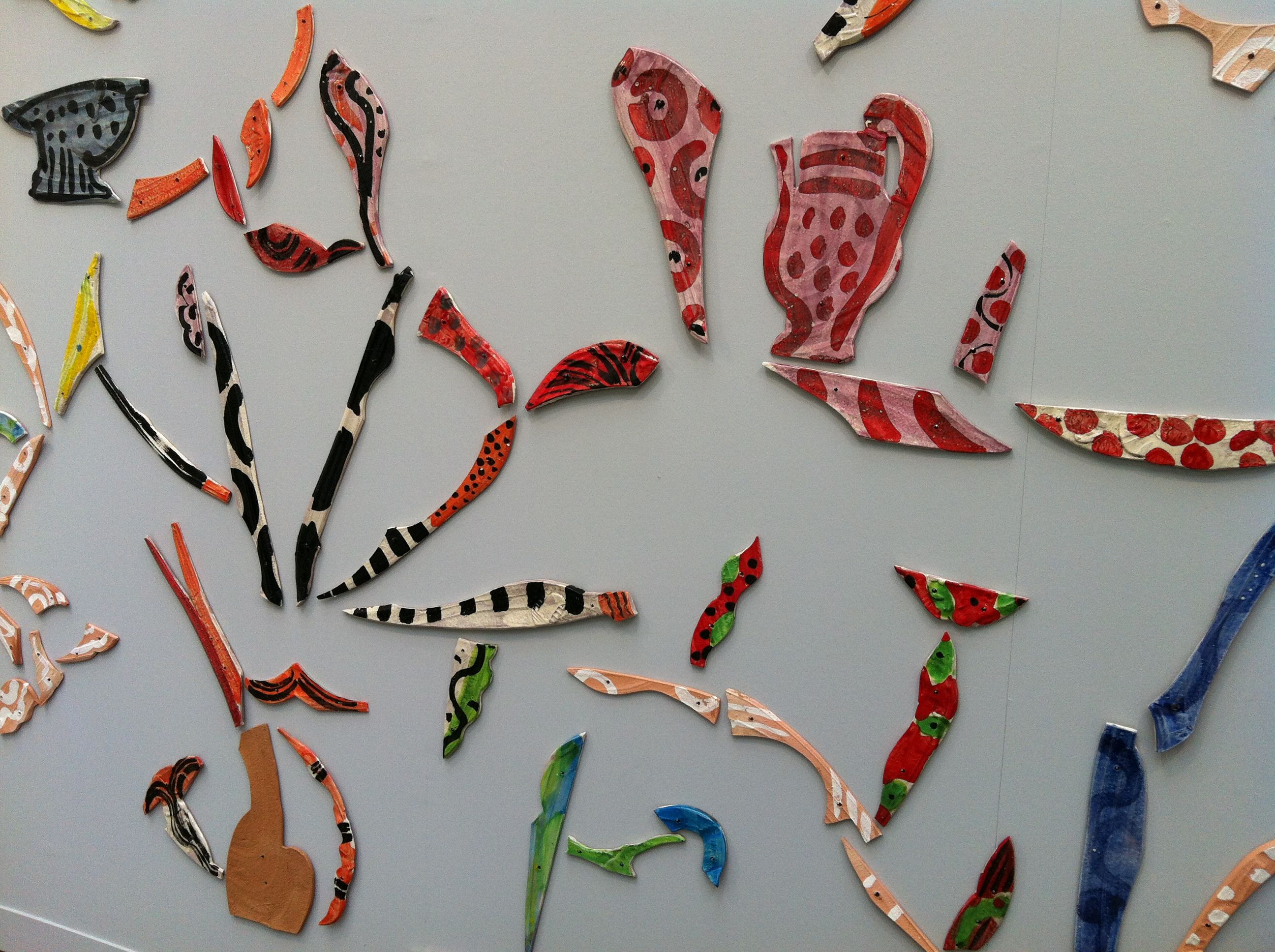
Betty Woodman "Wallpaper" @ FIAC 2013, Paris
At FIAC in Paris, ceramic artist Betty Woodman's wall piece "Wallpaper," shown by Berlin's Isabella Bortolozzi Gallery, brought together color, pattern, and material in one striking work.
Read the post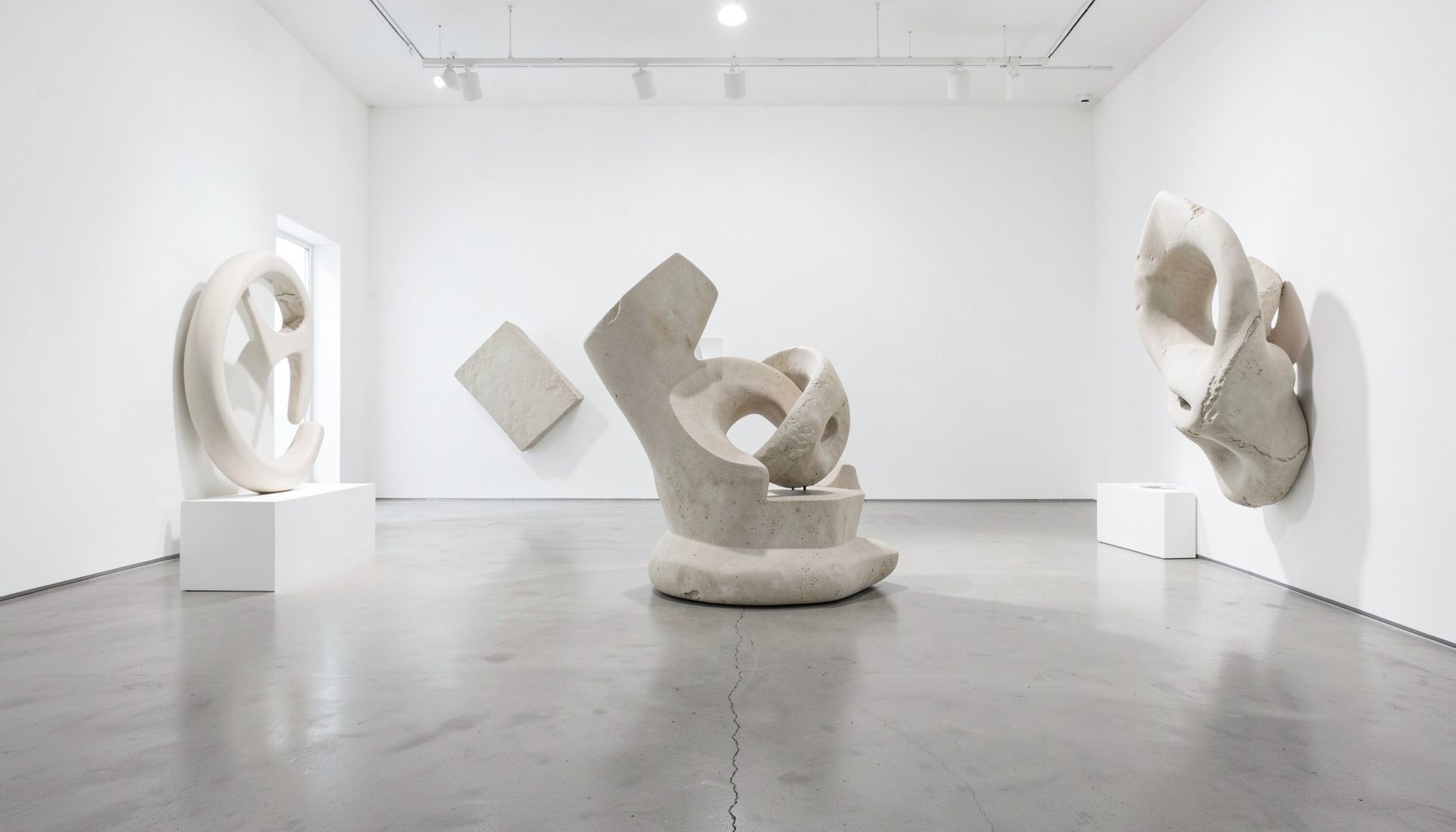
Rob Pruitt's Couches @ Frieze London
A look at Rob Pruitt's couches shown by Gavin Brown Enterprise at Frieze Art Fair London 2013, part of an ongoing fascination with couches spotted at fairs around the world.
Read the post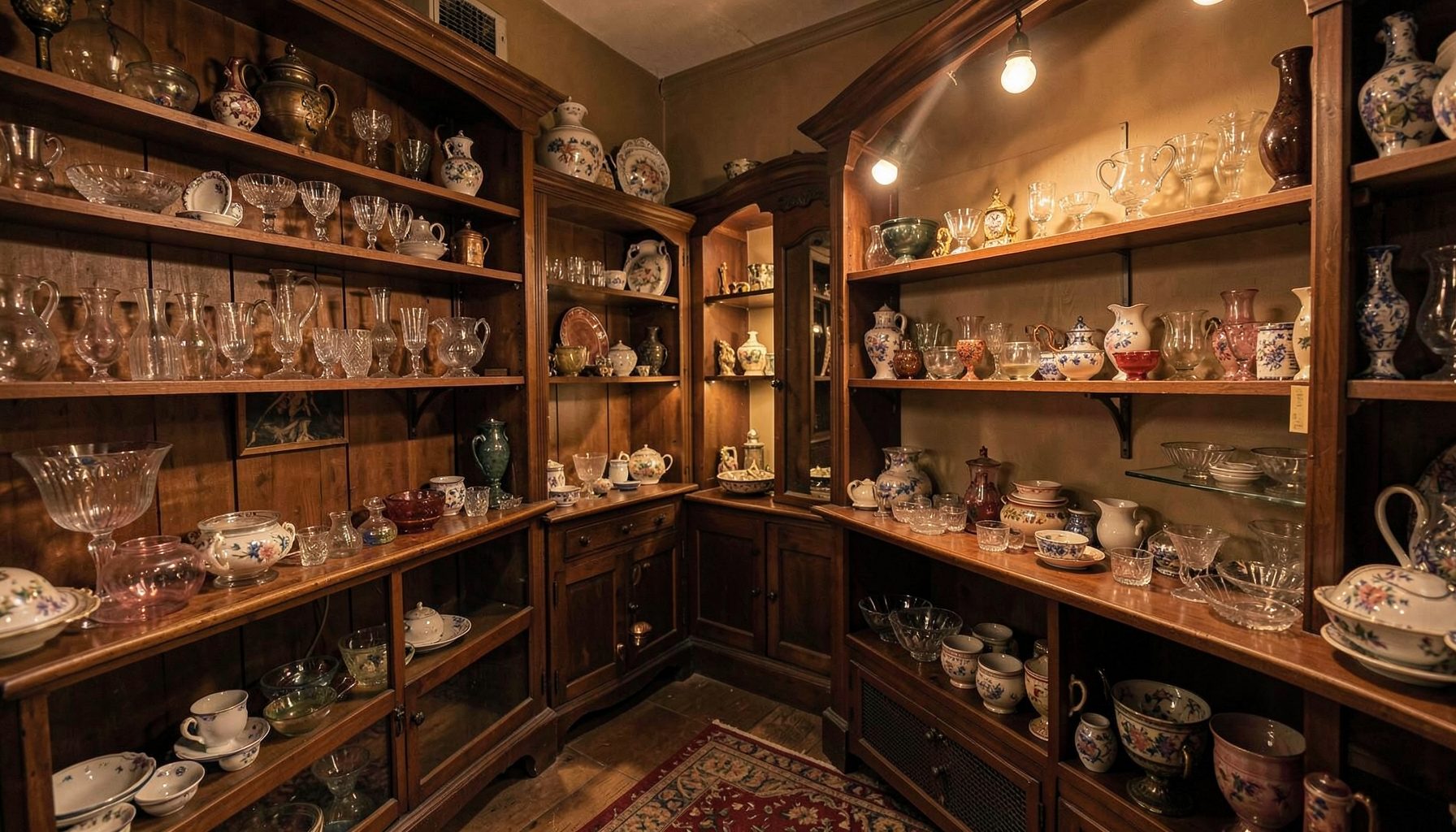
A Clock at R.E. STEELE, East Hampton
A favorite East Hampton haunt yields a delightful found clock — one more entry in a long list of shopping discoveries logged from stores and online sources alike.
Read the post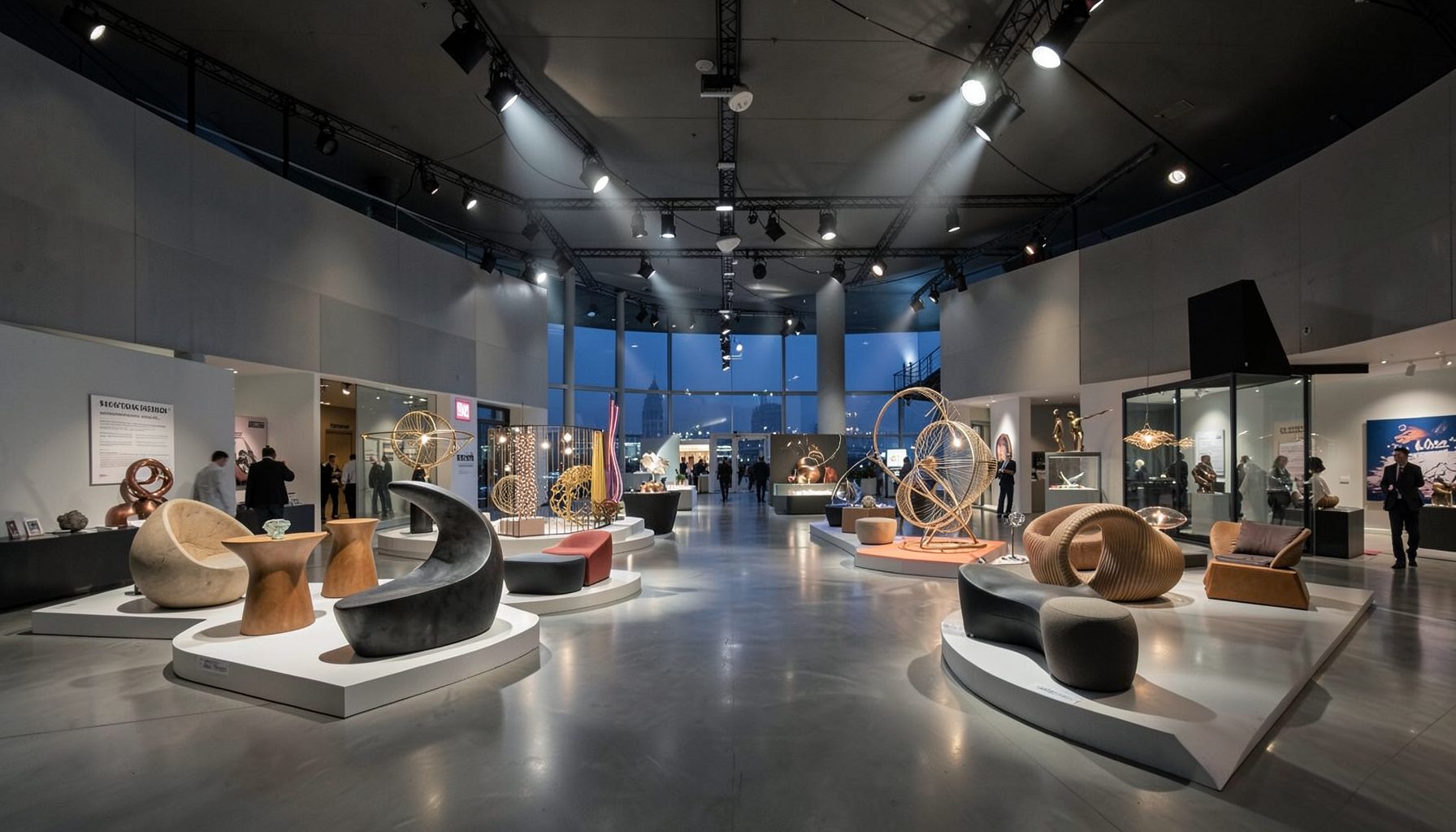
Design Days Dubai 2012
A flipbook of highlights from the first Design Days Dubai, published on HouseBeautiful.com, rounding up furniture and design from across the fair.
Read the post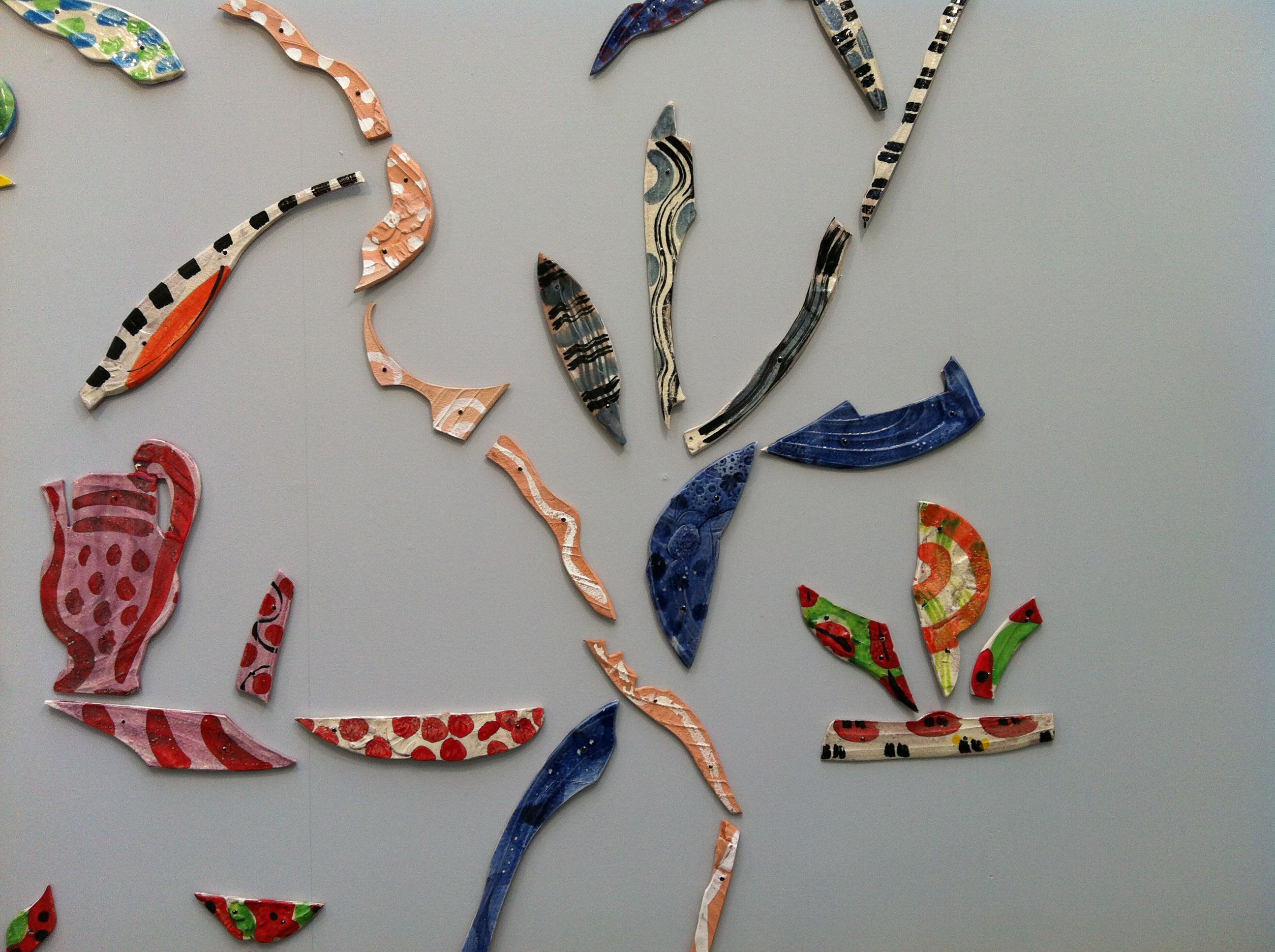
Ori Gersht's "Big Bang" in Times Square
Ori Gersht's 2006 digital film "Big Bang," presented on Times Square screens as part of the first "Times Square Moment: A Digital Gallery," re-creates a floral still life in the style of an Old Master painting.
Read the post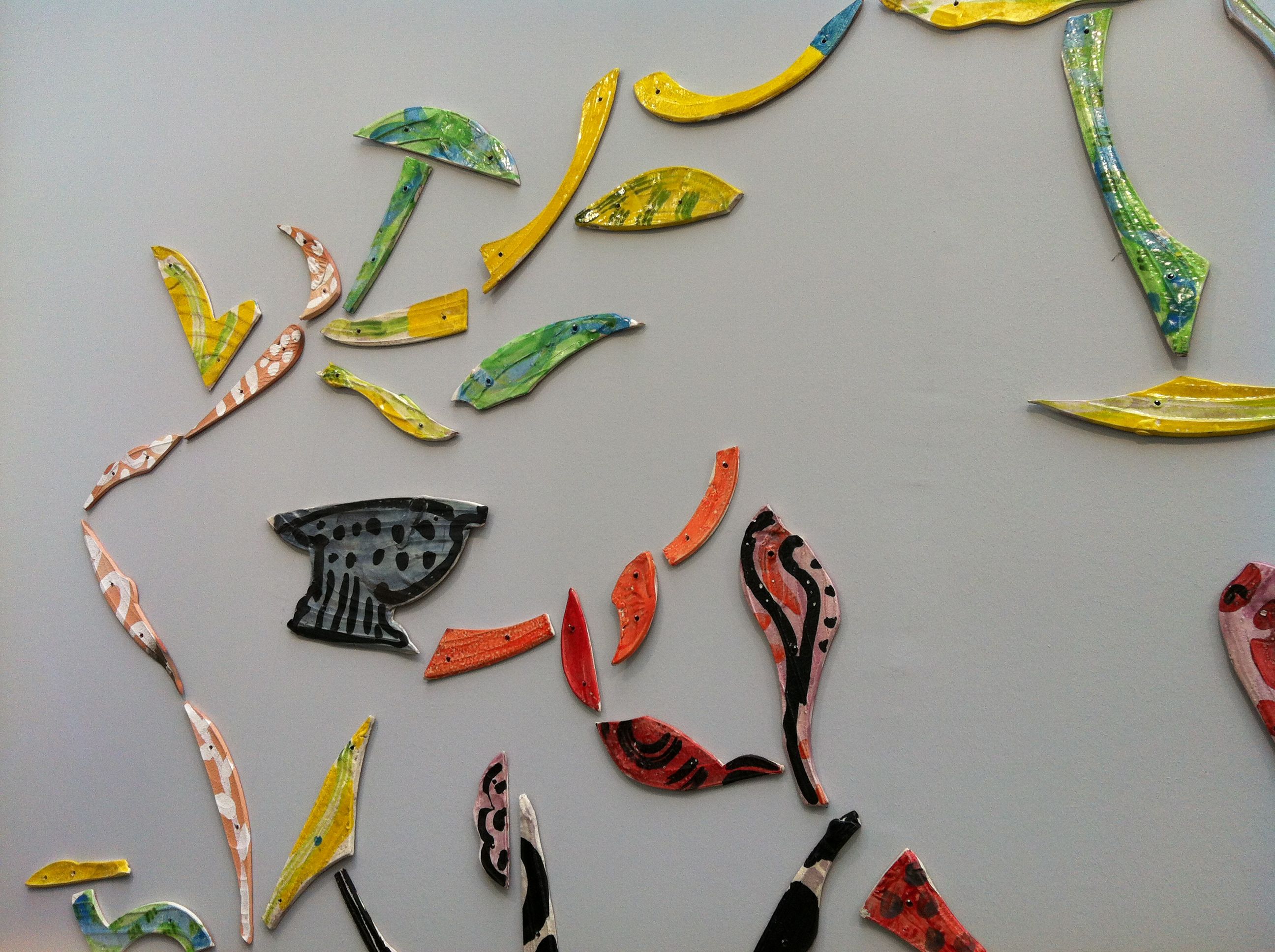
Contemporary Design at Sudeley Castle
Works by Pablo Reinoso, Atelier Van Lieshout, Sebastian Brajkovic, and Studio Job set among the historic grounds of Sudeley Castle.
Read the post"It all comes down to the accessories..... It's not the first thousand dollars that make the room, it's the last hundred!!"