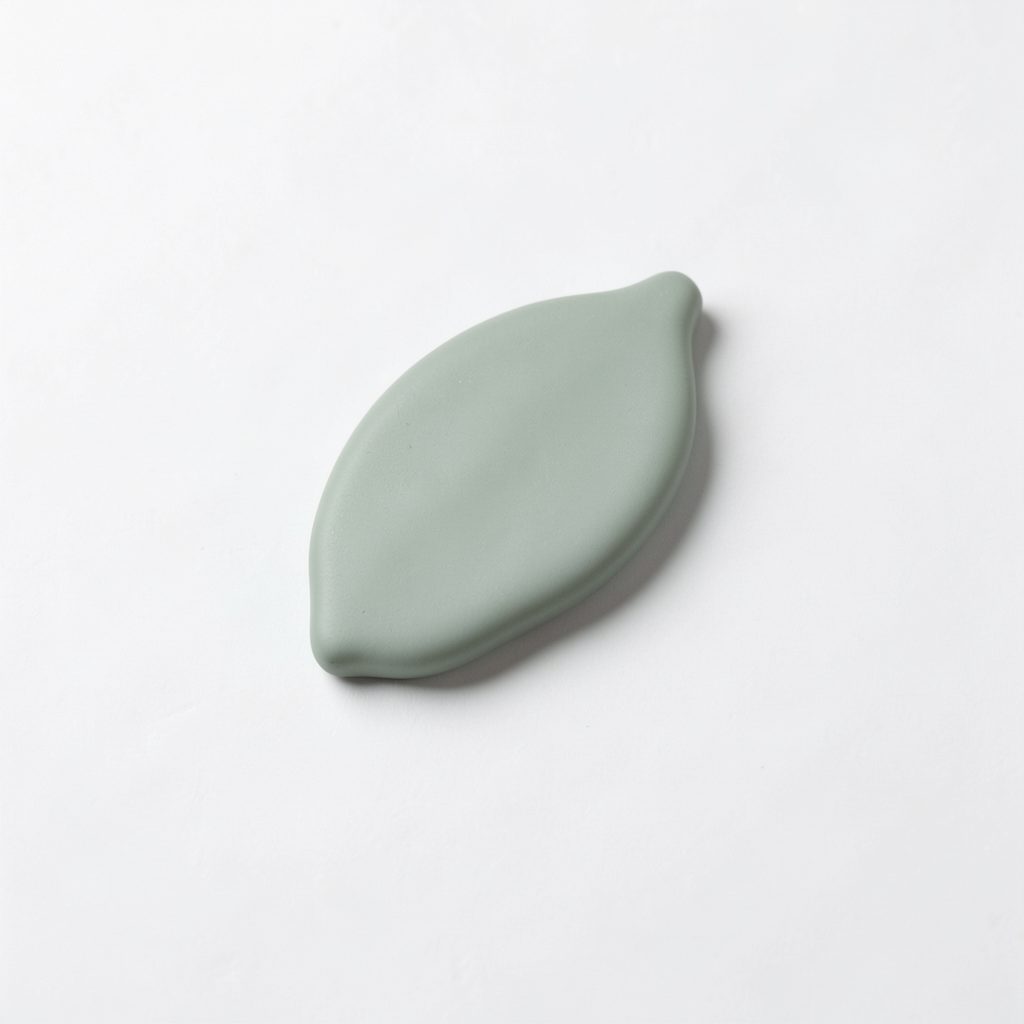
 The Accessorator
The story behind a collection of handblown glass paperweights
My desk is a small museum of places I have visited. A cobalt paperweight sits beside a stub of eucalyptus; an amber one holds down holiday papers, and a clear dome with a tiny green inclusion keeps a folded note in place. They are small enough to disappear in a drawer, yet each catches the Australian sun differently and turns an ordinary working surface into something quietly expressive.
Looking at them recently, I realised the collection is not really about glass alone. Every piece carries a route: a Melbourne gallery, a coastal studio, a weekend market and the person who chose to let it come home. The story behind a collection of handblown glass paperweights gathered over years is really a story about collecting slowly, noticing craft and allowing ordinary objects to keep their memories.
Where the collection began
The first piece arrived without much ceremony at a group show in a converted Collingwood warehouse. I was drawn to a cobalt optic swirl: coloured glass twisted into the design, then wrapped in a clear gather. It sat on my desk as a paperweight and gradually became the object I judged every later piece against. More followed at openings, fairs and small design shops, often because an artist explained how a particular colour or inclusion was made.
I never set out to complete a set. Instead, each object had to earn its place through touch. A flat base mattered for use; bubbles, seeds and slight irregularities mattered as evidence of handblown work. The main techniques I encounter can be read like this:
| Style | How it is made | What catches the eye |
|---|---|---|
| Optic twist | Coloured rods are twisted, then held inside clear glass | Bold spirals and strong movement |
| Ribbon | Fine threads of colour are drawn through a molten gather | Delicate lines suspended in depth |
| Latticino | Pale threads cross to form an open lattice | Airy geometry and shadow |
| Botanical inclusion | A leaf, seed or shaped motif is enclosed in clear glass | A tiny natural or decorative surprise |
That distinction matters because a well-made weight is both useful and sculptural. Its purpose is modest, yet the glass can carry the same concentration as a larger artwork. I buy slowly, keep the maker’s story with the receipt and resist filling empty shelf space simply because something sparkles under showroom light.
Colour becomes a map of memory
Australian daylight is unforgiving and generous at once. The fierce afternoon sun can flatten colour on a screen, while coastal glare reveals every ripple, bubble and acid-etched surface. I turn a paperweight in the hand rather than judging it from one angle. Backlighting shows the density of the gather; reflected light picks out the base.
Colour has also become a map of where the pieces came from. Eucalyptus green recalls a drive near Melbourne, ochre belongs to an Adelaide market find, and watery blue carries a Sydney harbour morning. These colours sit easily with rendered walls, blond timber floors and the pale linen tones common in Australian interiors. The glass provides a cool, luminous punctuation.
The emphasis on material and making on Hawg Tuff’s site offers a useful counterpoint to glass: one relies on grain and mass, while the other reveals light held in miniature. Together, they suggest why collectors often move between furniture and studio glass. A solid object anchors the room; a transparent one changes as the day passes.
Learning glass at galleries and markets
Much of the collection was found while gallery-hopping in Sydney and Melbourne, where openings can run from polished white-cube displays to busy rows of trestle tables in old warehouses. At one Melbourne fair, a maker described the tiny bubbles in a clear weight as “the breathing of the piece”. I have never forgotten the line, or the way the glass turned pink in the late-afternoon light.
Regional trips add different finds. I have picked up small blown forms at Fremantle Makers Market, browsed design and craft stalls around Adelaide Central Market and watched glass being demonstrated at a Sydney exhibition. Australian art-fair culture rewards a slow lap: makers are close by, prices vary widely and a chat often reveals the kiln, furnace or small studio behind the work.
Op shops and car boot sales offer another line of enquiry. The most useful advice came at a Sydney op shop, where a volunteer called a cloudy weight a “beaut” and told me to have a proper look at the base. Turned edges, polished rims and irregular walls can point towards older handblown work, though they do not prove age or origin. For that reason, I ask the maker whenever possible, photograph the pontil mark and note where the piece was made.
Reading colour and choosing a display
The same paperweight can read differently depending on its neighbours, so I choose what to notice before deciding where it belongs. These are the details I look for when I bring a new weight into the group:
- Eucalyptus greens and mineral blues shift between cool and warm light.
- Optical patterns remain interesting from every side.
- Tiny bubbles or seeds reveal the hand and process.
- Frosted or acid-etched surfaces soften the shine.
Display choices need to be equally practical. The aim is to make the glass visible and useful without turning a shelf into a showroom:
- Group three related pieces instead of lining up every object.
- Leave clear space around the smallest weight.
- Use each piece near a lamp or in a bright, shaded spot.
- Rotate pieces occasionally so one corner does not gather all the dust.
Colour can travel beyond the desk. I borrow the cheerful logic of colourful resin trays when a room needs a modern lift, although I keep the scale quieter and allow one saturated note to lead. The paperweight then belongs to the décor rather than a separate display, and the surrounding objects can breathe.
Putting the glass among other favourites
Styling the collection is a lesson in supporting, not competing. I often set a low piece near ceramics, books and a shallow bowl, creating a still life with differences in height and finish. The same principle appears in decorative bookends: they frame the books while allowing the glass to remain the lighter, more volatile note.
Many Australian rooms flow from lounge to verandah, so pieces are likely to move between surfaces. I keep a small group together in a tray-lined drawer for easy carrying and resist placing blown glass where harsh afternoon sun could heat it. Stability comes first; the irregular heel of a handblown base should never be asked to balance on a narrow shelf.
At home, I group by mood rather than chronology: cool blues together, amber and red pieces near timber, and clear weights beside textured ceramics. Photographs sit behind the arrangement and keep me from overfilling it. If the room begins to feel precious, I put one weight back into service holding the remote controls.
Let the collection keep changing
The collection still changes. Each year brings another maker, another technique and another place attached to a small object. I photograph the group in different rooms, note what harmonises and what does not, and occasionally move the least-loved piece to another shelf. Its value depends on the attention it receives, not simply its position in a neat row.
Visit a gallery, studio or weekend market with an open eye, and choose one small object that carries a story worth keeping. Give it a place where daylight can reveal its colour and its scale will feel intimate rather than precious. Let it do a job, even if that job is simply holding a page, and the room will acquire a little more history.