 The Accessorator
Colourful Resin Trays for a Fresh Classic Interior
A classic room has a dependable visual language: timber with a patina, framed artwork, upholstered chairs, polished lamps and perhaps a rug with a quiet history. Its appeal comes from proportion and material richness rather than constant novelty. Yet even the most carefully composed traditional interior can benefit from one vivid, contemporary note.
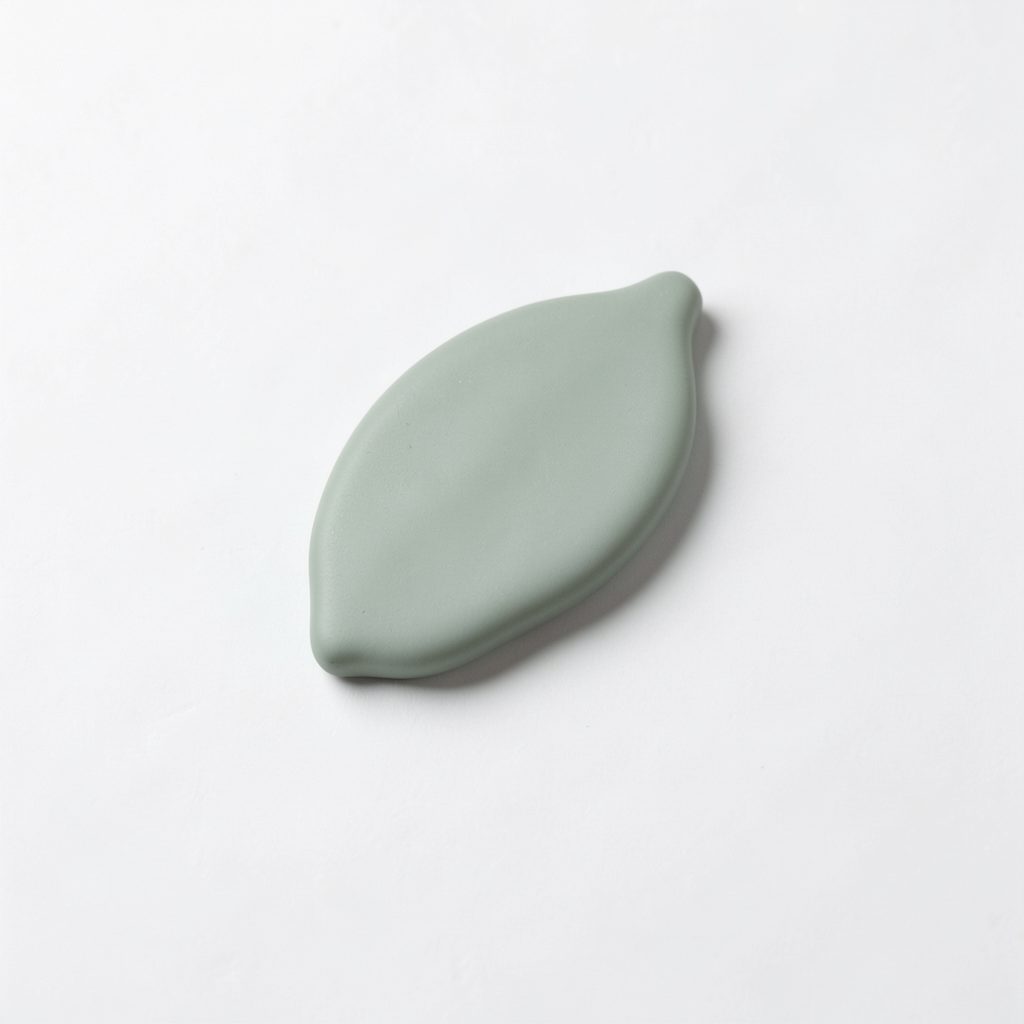
A colourful resin tray is an easy way to introduce that note. Its glossy surface, saturated pigment and sculptural edge bring a modern pop without asking the room to abandon its established character. The tray remains useful, too, giving a collection of objects a clear boundary on a sideboard, ottoman or coffee table.
For Australian homes, this small intervention suits both grander period properties and compact city apartments. A Melbourne terrace with dark timber floors may need a flash of persimmon, while a pale Sydney living room can handle cobalt or emerald. In Brisbane, a translucent aqua tray can echo the brightness outside without competing with tropical foliage.
The best result comes from treating resin as an accent material rather than a theme. Look for a colour that relates to something already present, then allow the tray’s modern finish to sharpen the conversation between old and new.
| Room element | Classic tendency | Resin tray intervention |
|---|---|---|
| Timber furniture | Warm, matte or patinated | Adds gloss and saturated colour |
| Neutral upholstery | Cream, oatmeal or muted stripe | Creates a controlled focal point |
| Decorative objects | Collected and varied | Groups them into one visual arrangement |
| Metal finishes | Brass, bronze or aged silver | Introduces a fresh contrast |
| Artwork | Established palette | Picks up a small accent colour |
Choose Colour With The Room’s History In Mind
Colourful resin trays work best when their shade has a relationship with the room. A tomato-red tray can draw out a thread in an antique rug, while a lavender piece may repeat the cool undertone of a painted cabinet. This connection prevents the tray from looking like a random retail addition.
For a quieter effect, choose a tonal variation of an existing colour. A navy tray in a room with faded blue upholstery feels collected, while a chartreuse tray against walnut furniture creates a livelier, more graphic contrast. Classic interiors often have enough pattern already, so the strongest colour does not need to be repeated everywhere.
Natural Australian light can alter the impression of resin throughout the day. In a north-facing Sydney room, glossy orange may become intense in afternoon sun; in a shaded Melbourne terrace, the same shade could provide welcome warmth. Consider viewing samples near the intended furniture before committing.
Pair Gloss With Patina
Resin has a smooth, polished surface that looks particularly appealing beside materials with visible age. Set a translucent amber tray on a scratched console, or place a high-shine turquoise design on a linen-covered ottoman. The contrast gives both surfaces greater presence.
Avoid surrounding the tray with too many equally glossy objects. A lacquered box, mirrored vase and polished metal bowl may make the arrangement feel overly staged. Instead, balance the resin with matte ceramics, woven coasters, a stone candleholder or a small stack of art books.
Craftsmanship matters here. Look closely at the tray’s rim, colour consistency and underside. Small variations can add character to handmade pieces, while cloudy patches, sharp edges or unstable bases may signal poor finishing rather than desirable individuality.
Give The Tray A Practical Role
A tray looks most convincing when it solves a real organisational problem. On a coffee table, it can hold glasses, a carafe and a small vase; on a sideboard, it can gather keys, scent bottles or a pair of candlesticks. The colour then feels integrated into daily life rather than placed solely for display.
For a classic dining room, a broad rectangular tray can anchor decanters and water glasses before a meal. In a smaller Australian apartment, a compact round tray may corral remotes and reading glasses without consuming valuable surface area. Choose a size that leaves generous breathing room around the arrangement.
Resin is often easy to wipe clean, which suits homes where entertaining moves between indoors and outdoors. Still, follow the maker’s care instructions, particularly with hot cookware, harsh cleaning products and prolonged exposure to direct sunlight. A decorative tray should be treated as durable, not indestructible.
Style A Sideboard With Rhythm
A sideboard offers an ideal stage because its long horizontal line can absorb a strong colour without making the whole room feel busy. Place the tray slightly off-centre, then build a low arrangement inside it: a bowl, a small object and a few folded napkins. A taller lamp or artwork can balance the opposite side.
The arrangement does not need to be perfectly symmetrical. The sideboard styling guide offers useful principles for weighing height, negative space and grouped objects, especially when a vibrant tray becomes the visual anchor.
In a Melbourne terrace, the tray might sit below a gilt mirror and beside a ceramic lamp. In a Sydney apartment, it may replace a larger sculpture that would obstruct circulation. Keep the surrounding surface relatively calm so the tray reads as an intentional punctuation mark.
Let Material Lead The Palette
The most successful resin accessories often imitate or reinterpret another material. Swirled green can suggest malachite, translucent brown can recall amber, and layered cream may resemble agate or old parchment. These references make a contemporary object feel more at home among traditional pieces.
Patterned resin can be expressive, but it needs a considered setting. Against floral wallpaper, a marbled tray may compete with the wall; against plain paint and restrained upholstery, it can provide welcome movement. Consider whether the room needs colour, pattern, or simply a reflective surface before choosing a design.
Australian makers and independent design shops frequently offer small-batch pieces with distinctive colour blends. Visiting weekend markets or local craft fairs can reveal trays with more personality than mass-produced alternatives. Ask about heat resistance, cleaning and whether the piece is intended for food service or decorative use.
Balance Modern Accents In Small Homes
In compact Sydney or Melbourne dwellings, a tray can create impact without taking up additional floor space. It works on a narrow hall table, atop a chest of drawers or on a nesting table that can be moved when guests arrive. Its portability also makes it useful in rental homes where permanent changes are limited.
Brisbane homes bring a different consideration: strong sunlight and humid conditions can affect some finishes over time. Keep resin away from prolonged direct sun where possible, and avoid placing it beside a constantly open window if dust and moisture settle on the surface. A covered outdoor entertaining area may be tempting, but check the manufacturer’s limits before using it there.
Scale remains essential. A tiny tray disappears on a large antique sideboard, while an oversized design can make a modest table feel crowded. Measure the furniture first, leaving enough uncovered surface for lamps, books or everyday use.
Connect The Accent With Art
A resin tray can act as a bridge between interior decoration and collected art. Its colour may echo a painted vase, a print, a textile fragment or an artist’s use of translucent layers. Rather than matching every accessory, repeat one hue in a less obvious place, such as a book spine or a small ceramic mark.
A visit to design exhibitions can sharpen this instinct. Galleries and exhibitions often reveal unexpected colour pairings—acid green beside dusty rose, brick red with pale lilac, or electric blue against tobacco brown—that can translate into a room through one modest object.
The tray should support the artwork, not compete with it. If a nearby painting has a dramatic focal colour, select a quieter resin shade that sits within its palette. If the walls are restrained and the artwork is small, a stronger tray can provide a second point of interest at a lower level.
Shop With Care And Confidence
When buying in Australia, compare local studio work with imported pieces, but look beyond colour alone. Check dimensions in centimetres, the weight of the tray and the quality of the base. A lightweight tray may be convenient, yet a slightly heavier one will feel more secure on a polished table.
Australian Consumer Law provides consumer guarantees that products should be safe, fit for purpose and match their description. If a seller calls a tray food-safe, heat-resistant or suitable for outdoor use, retain that information and check the care guidance. Decorative resin is not automatically appropriate for serving hot food or storing anything that may stain.
The broader Accessorator collection offers a useful source of ideas for combining accessories with furniture, textiles and artwork. Approach the purchase as part of an evolving room rather than a standalone trend. A well-chosen tray can move from coffee table to console, changing roles as the interior develops.
A classic room does not need a dramatic renovation to feel current. Place one colourful resin tray where it can gather everyday objects, catch the light and introduce a confident note of contrast. Explore local makers, test the colour in the room’s natural light, and choose a design that brings practical pleasure as well as visual energy.