 The Accessorator

Brick & Mortar Favorites
R.E. STEELE
East Hampton. A beloved destination for antiques, vintage finds, and one-of-a-kind accessories. In July 2013, j.roaman discovered a remarkable clock here — exactly the kind of serendipitous find that defines the accessoration philosophy.
Les Toiles du Soleil
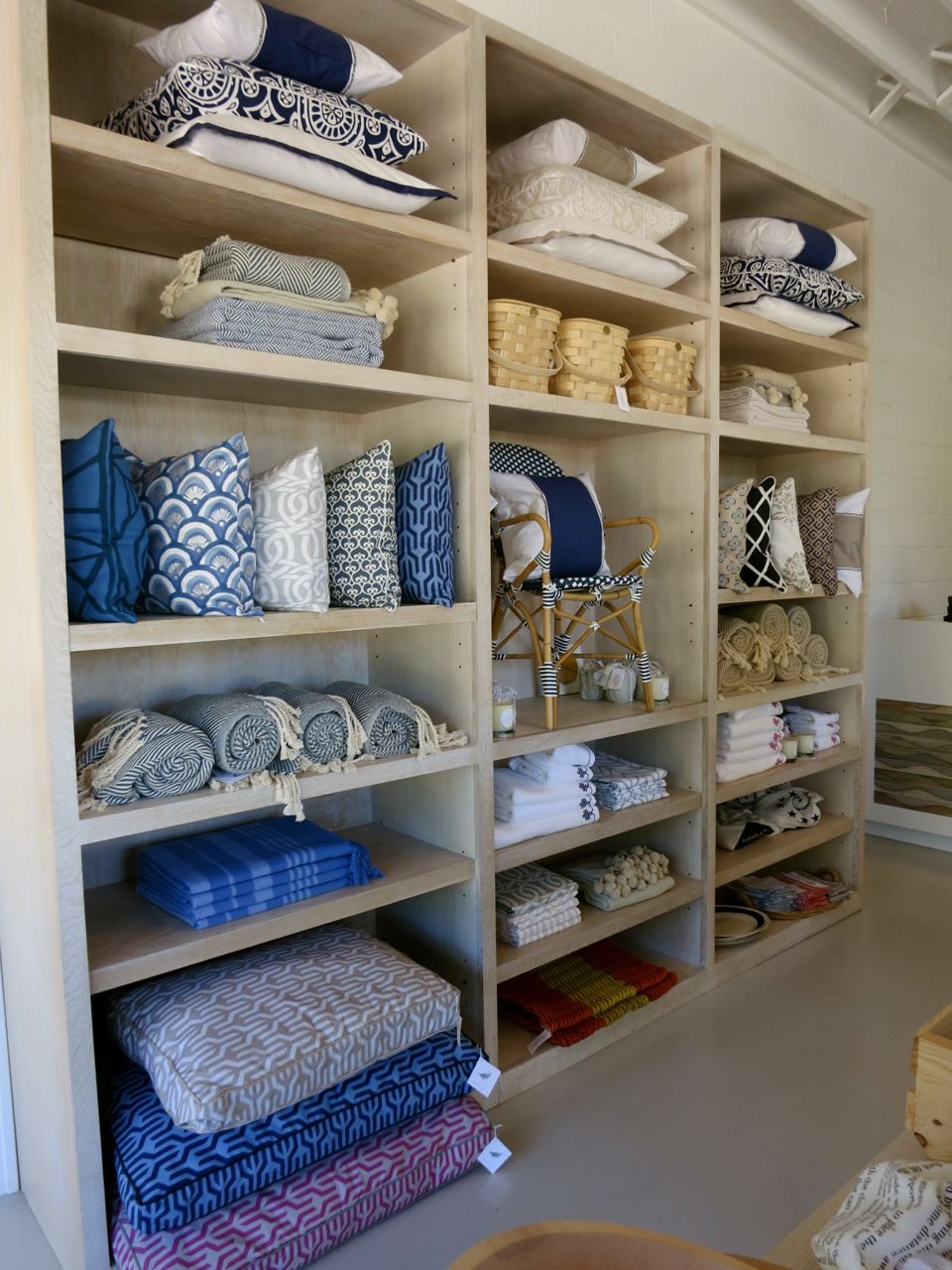
New York City. Known for its vibrant French textiles, this shop is a go-to for bold stripes, sunny colors, and fabrics that bring Provençal warmth to any interior.

Serena & Lily
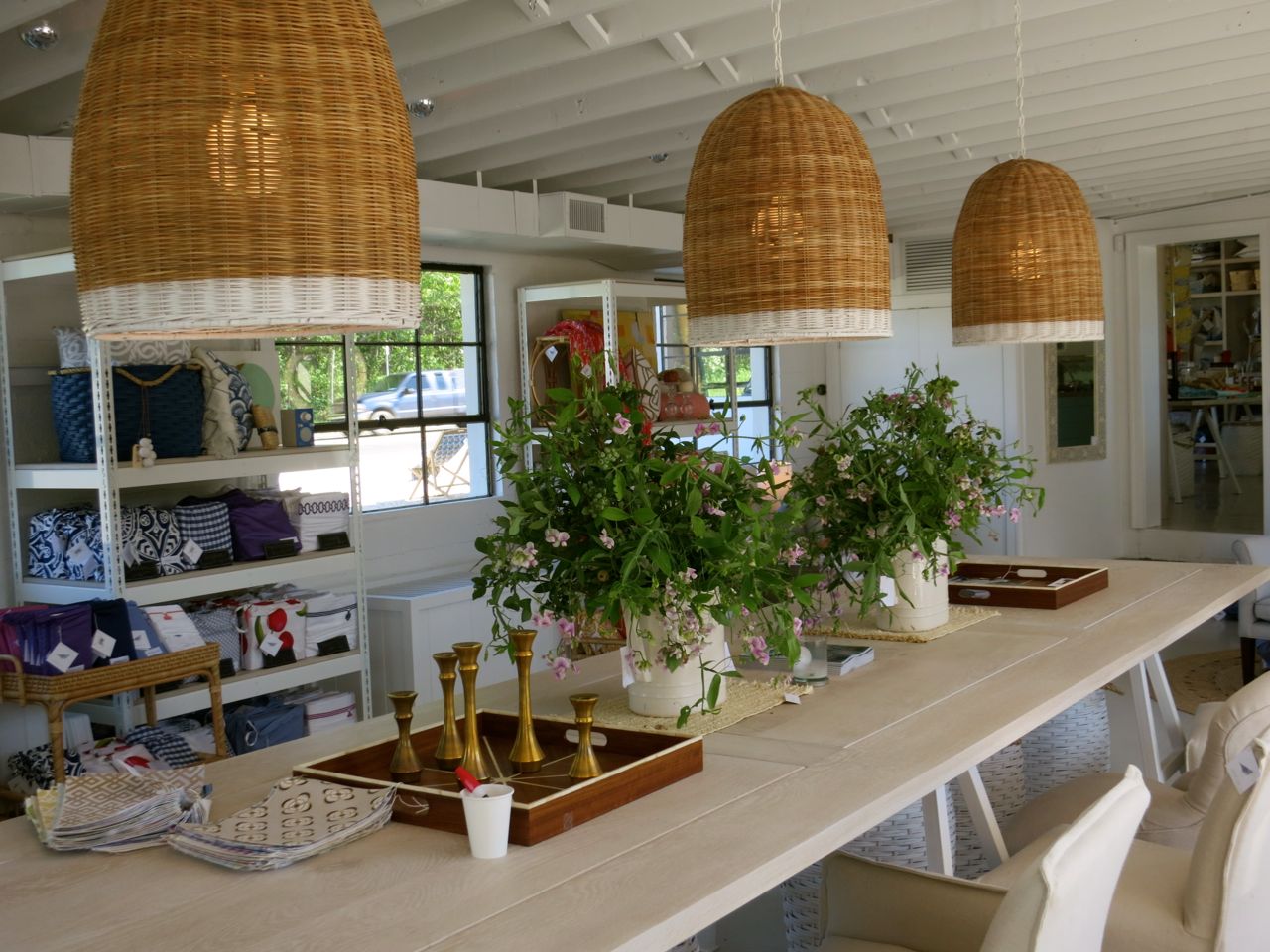
East Hampton. In June 2013, the first Serena & Lily store opened here, bringing the brand's breezy, coastal-meets-modern aesthetic to a brick-and-mortar setting. A favorite for bedding, furniture, and effortless style.
Online Discoveries
Also Worth a Visit
- Bergdorf Goodman
- Maison Martin Margiela
- Catalogue shopping
Shopping for accessories is fundamentally about the finishing touches, those final pieces that transform a room from merely furnished to truly alive. The author has long believed that it is not the first thousand dollars that make a space but the last hundred, and nowhere is that philosophy more evident than in the hunt for the perfect ceramic vessel, the right sculptural chair, or the textile that ties an entire palette together. Visiting favorite stores becomes a ritual, a way of staying connected to the tactile joy of discovery that online browsing can never quite replicate.
The best shopping destinations are those that feel curated rather than stocked, where every object appears to have been chosen with intention and care. Boutiques in East Hampton and hidden gems scattered across New York City offer that rare combination of quality and character, drawing in collectors, designers, and casual browsers alike. These are places where the owner's eye is evident in every corner, where vintage finds sit comfortably alongside contemporary pieces, and where the experience of browsing feels like walking through a personal gallery of taste rather than a mere retail transaction.
Online platforms have expanded the reach of the accessory hunt considerably, allowing enthusiasts to discover ceramicists, furniture makers, and textile artists from around the world without leaving home. Yet the author notes that the digital sphere works best as a complement to in-person shopping, a way to research and identify pieces before committing to a visit or a purchase. The tactile experience remains essential, particularly when it comes to ceramics and furniture, where weight, texture, and finish can only be truly appreciated by hand.
The accessory obsession extends beyond the home into fashion, where the same principles apply. A well-chosen shoe, a distinctive bag, or a piece of jewelry can elevate an entire ensemble in the same way a sculptural vase completes a mantlepiece. The author's musings frequently draw parallels between the worlds of interior design and personal style, recognizing that both are expressions of the same curatorial instinct. Galleries and design fairs, from London to Paris, serve as hunting grounds for those willing to venture beyond conventional retail.
Ultimately, the joy of shopping for accessories lies not in accumulation but in discernment. The author returns again and again to certain stores not because they offer endless options but because they consistently present pieces worth considering, objects with presence and personality. Whether it is a hand-thrown vessel from a favorite ceramicist, a vintage chair with perfect patina, or a boldly patterned textile that anchors a room, the goal is always the same. It is about finding that last piece, that final hundred dollars' worth of magic, that makes a space feel complete.