 The Accessorator
The Unexpected Delight of Decorative Bookends on a Low Table
A pair of decorative bookends can do far more than keep a stack of books upright. On a low table, they become small architectural objects: weighty, sculptural and slightly surprising. They give a horizontal surface a sense of rhythm while allowing books, ceramics and collected treasures to feel arranged rather than simply placed.
This is especially useful in Australian homes, where living areas often need to work hard. A coffee table may serve as a landing place for a cup of tea, a remote, a vase and the occasional feet-up moment. Bookends bring order without making the room feel overly styled, and their compact scale makes them a clever way to introduce colour, material and personality.
| Bookend style | Best companion on a low table | Visual effect | Australian design note |
|---|---|---|---|
| Carved stone | Large art or architecture books | Grounded and gallery-like | Works beautifully with timber and travertine |
| Brass or bronze | Small ceramics and dark covers | Warm, collected and reflective | Suits heritage rooms and contemporary apartments |
| Painted wood | Colourful textiles or magazines | Playful and approachable | Easy to source from local makers |
| Lucite or glass | Minimal books and fine objects | Light and almost invisible | Useful in smaller Sydney or Melbourne flats |
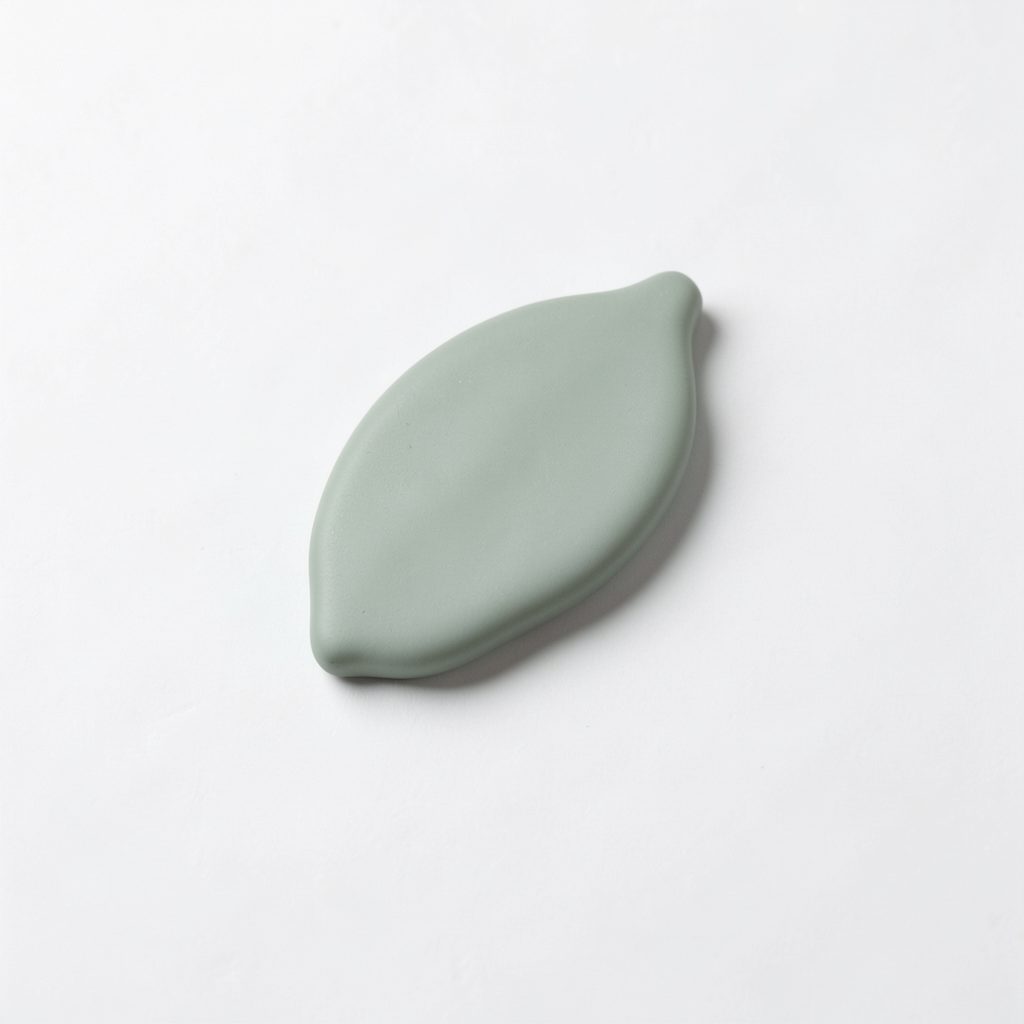
| Ceramic forms | Vessels, shells and handmade pieces | Soft, tactile and expressive | Pairs well with Australian studio pottery |
Why Scale Changes Everything
The appeal of bookends on a low table comes from the contrast between their practical origin and their decorative presence. Traditionally associated with a library shelf, they look fresh when moved into the centre of a sitting room. A pair of marble birds, carved timber blocks or abstract metal brackets can frame a small reading stack as confidently as a plinth frames a sculpture.
Scale matters more than price. Bookends that are too slight may disappear beside a substantial coffee table, while oversized pieces can make the surface feel crowded. Look for a proportion that relates to the table legs, nearby seating and the height of any vase or lamp. A low, broad table usually benefits from strong horizontal forms, while a petite round table may prefer a compact vertical silhouette.
The books themselves should be chosen for pleasure rather than colour matching alone. A well-thumbed monograph, a design annual and a slim volume of poetry can create a more convincing arrangement than books bought solely for their covers. Turn one cover outward if it is particularly beautiful, then let the bookends provide the punctuation.
Materials With A Sense Of Place
Stone bookends bring a quiet weight that feels particularly at home with Australian materials. Sandstone, marble, alabaster and concrete echo the mineral character of the landscape, while timber introduces a warmer note. A pair of rough-hewn pieces can look wonderful against polished glass, creating the kind of tension that makes a room feel collected over time.
Metal offers another route. Aged brass catches late-afternoon light, blackened steel adds graphic definition and cast bronze can bring a little patina to an otherwise pale scheme. In a Melbourne terrace, antique brass might sit comfortably beside dark timber and patterned upholstery. In a bright Queensland room, pale stone or painted ceramic may feel cooler and more relaxed.
For inspiration, it is worth noticing how decorative objects are grouped in galleries, furniture showrooms and design shops rather than considering each object in isolation. The visual language explored in global design notes can be useful here: a restrained arrangement may depend on one emphatic material, while a more eclectic interior can welcome several competing textures.
Styling The Low Table
Begin with the book stack, then add the bookends as though they are framing a small exhibition. Three or four books are often enough. Place them slightly off-centre rather than aligning every edge, and leave a generous margin around the arrangement so the table can still be used. A small dish, matchbox or glass paperweight can complete the grouping without turning it into a miniature shop display.
A useful formula is to combine one hard, one soft and one reflective element. For example, pair carved stone with a linen-covered book and a small brass bowl. Or try ceramic bookends beside a velvet-bound volume and a smoked-glass vessel. This approach keeps the arrangement tactile and prevents a flat block of paper from becoming visually heavy.
Consider sightlines from the sofa. Since a low table is viewed from above as well as from across the room, the top surfaces deserve attention. A patterned book cover, a folded textile or the subtle grain of timber will reward that closer view. Keep tall objects away from the centre if they obstruct conversation or television viewing; bookends are most successful when they add presence without becoming a nuisance.
Making It Work In Australian Homes
Australian living rooms vary widely, from compact inner-city apartments to open-plan coastal houses and older suburban homes with generous fireplaces. In a smaller flat, transparent acrylic or pale ceramic bookends can create definition without adding visual density. On a broad timber table in an Adelaide or Brisbane home, heavier stone pieces can hold their own against larger furniture.
The local market also rewards patience. Independent galleries, design markets and studio potters often offer more character than mass-produced homeware chains, although shipping bulky stone objects across the country can be surprisingly expensive. A Saturday browse through a makers’ market may uncover painted timber forms or handmade ceramics that feel genuinely connected to the room, rather than imported decoration chosen in a hurry.
There is a relaxed Australian instinct to keep interiors livable—“a bit of warmth,” rather than a room that looks too precious. Bookends support that mood because they are useful objects with decorative appeal. They can hold a cookbook open near the kitchen, anchor a pile of travel books in a holiday house or keep children’s picture books tidy in a family room.
Connecting Books With Softer Layers
The best arrangements rarely stop at books. A low table becomes more inviting when its hard surfaces are balanced by upholstery, cushions and textiles nearby. Repeat one colour from a book cover in a cushion or throw, but do not force an exact match. A dusty blue spine beside ochre wool, for instance, can create a richer relationship than a perfectly coordinated set.
Textile art can perform a similar linking role, especially where a window, sofa and coffee table sit in one visual zone. Ideas in this textile art guide show how a small woven or embroidered work can connect separate areas through colour and texture. The bookends then become a grounded detail within that wider composition.
Comfort should remain part of the picture. If the table sits in a casual reading corner, a floor cushion can make the arrangement feel purposeful rather than merely decorative. This floor pillow guide offers practical ways to add informal seating without disrupting the room’s visual balance. A low stack of books, sculptural bookends and a nearby cushion can suggest that the space is ready to be used.
When choosing the final pair, trust the object that gives you a small spark of recognition: a striped ceramic form, a piece of veined stone, a curious animal or a simple geometric block. Place it with books you genuinely enjoy, leave room for daily life, and let the arrangement evolve as new finds arrive. Explore local galleries, markets and design shops for bookends with character, then give one a place on your low table where practicality can quietly become art.