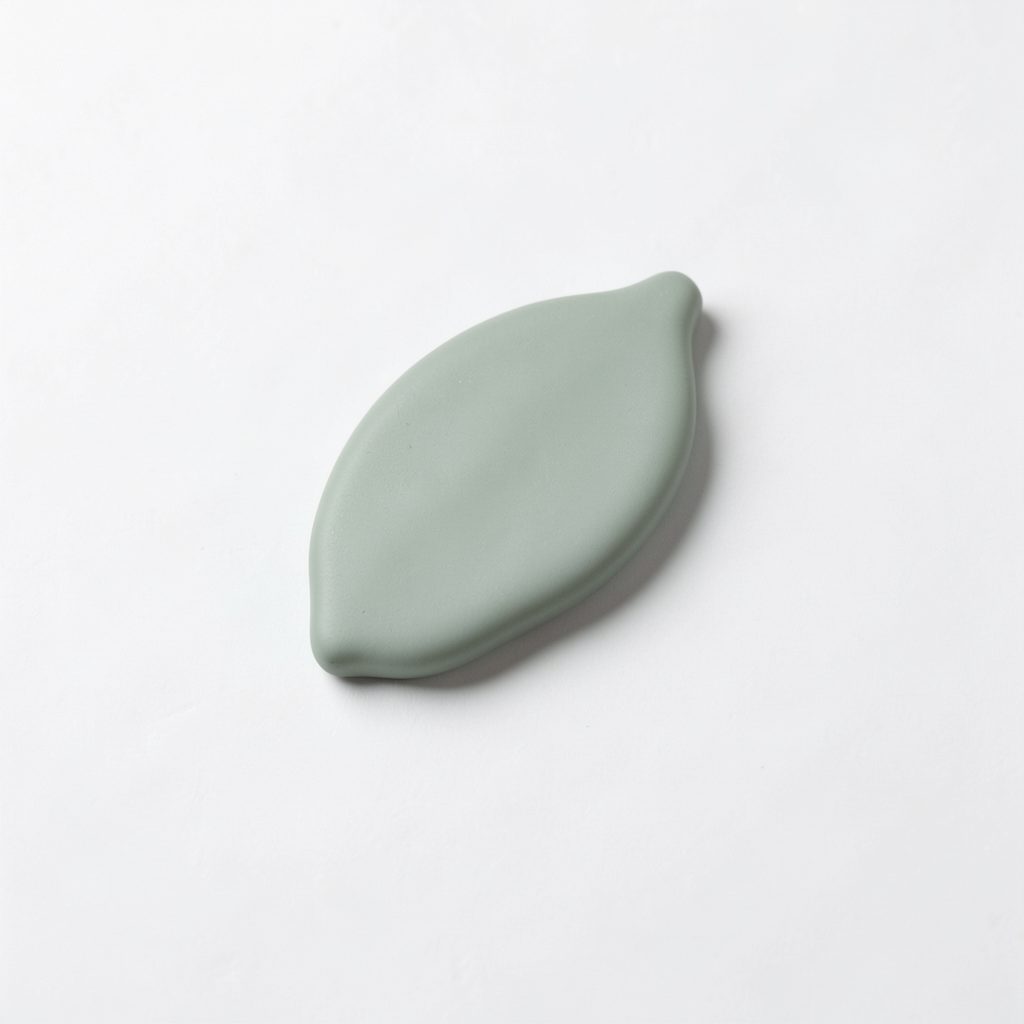
 The Accessorator
How a Small Sculpture Can Elevate a Mantel Arrangement
A mantel has a natural visual authority. It frames a fireplace, gathers the eye, and creates a horizontal stage for objects with distinct personalities. Yet a row of candles, vases, and framed art can easily become predictable. A small sculpture introduces a different kind of presence: it adds volume, gesture, and a sense of quiet movement without overwhelming the architecture.
The most successful mantel displays feel collected rather than purchased in a single afternoon. A ceramic figure may sit beside an abstract stone form, while a patterned textile, antique clock, or painted panel gives the arrangement color and context. The sculpture becomes a focal point, but it also helps the other objects relate to one another.
Scale matters, though size alone does not determine impact. A modest object with an unusual silhouette can attract more attention than a large decorative piece. The right choice should respond to the room’s materials, palette, and mood while adding something unexpected.
Begin With The Mantel’s Visual Structure
Before choosing a sculpture, study the mantel as a composition. Is it long and narrow, deep and substantial, or interrupted by a mirror or artwork above it? The shape of the shelf determines whether the arrangement needs height, width, or a strong central anchor. A petite sculpture can be especially effective when the mantel already has architectural weight and does not require another imposing object.
Consider the negative space around the piece. Crowding a sculpture between tall candlesticks may hide its outline, while placing it too far from neighboring objects can make it look accidental. Leave enough breathing room for the silhouette to register clearly. An open area behind the object, particularly against a plain wall or mirror, can make a small work feel deliberate and important.
Choose Character Over Ornament
A sculpture earns its place through form and personality. Look for an expressive head, a simplified animal, a folded abstract shape, or a hand-worked vessel that reads as art rather than a generic accessory. Materials such as carved wood, patinated bronze, plaster, terracotta, and glazed ceramic each create a different atmosphere. Rough surfaces bring warmth and tactility; polished finishes reflect light and sharpen a more formal room.
The object’s story can deepen the arrangement. A piece found at an exhibition or independent design shop may carry the atmosphere of the place where it was discovered. The press archive offers a useful sense of how personal observations, artistic references, and design objects can meet in a broader visual conversation. That same spirit makes a mantel feel connected to a home’s life rather than styled in isolation.
Use Height, Color, And Texture
A small sculpture does not need to be brightly colored to become a focal point. Height, contrast, and texture can do the work. A dark bronze figure will stand out against a pale wall, while a chalky white ceramic form may glow against deep paint. A saturated blue, saffron, or red object can act as a punctuation mark within a quieter palette.
Layering creates depth without requiring many pieces. Place the sculpture slightly forward of a framed print, or set it beside a low stack of art books and a softly folded textile. A clock or tall vase can provide vertical balance, while a shallow bowl or pair of objects establishes a lower line. Repetition helps the display feel cohesive: echo the sculpture’s warm clay tones in a pillow, its rounded contours in a vessel, or its metallic finish in a picture frame.
| Mantel Element | Role In The Arrangement | Useful Pairing |
|---|---|---|
| Small sculpture | Focal point and source of character | Framed art or mirror |
| Tall candlestick | Vertical lift and rhythm | Low bowl or stack of books |
| Ceramic vessel | Color and tactile contrast | Textured textile |
| Decorative clock | Structure and functional interest | Abstract form |
| Framed artwork | Background and visual depth | Object placed slightly forward |
| Bowl or box | Low horizontal counterpoint | Sculpture with a strong silhouette |
Create Balance Without Symmetry
A centered sculpture can provide calm, especially when the mantel is broad or the room has a formal character. Still, perfect symmetry is not the only route to balance. Try positioning the sculpture just off-center and countering it with a taller object on the opposite side. The two sides should feel equal in visual weight, not identical in shape or number.
Think in terms of an invisible triangle. The sculpture may form the top point, with a pair of lower objects spreading outward beneath it. Alternatively, a tall vase can become one peak while the sculpture and a framed piece create a lower, uneven rhythm. This arrangement allows the eye to travel across the mantel instead of stopping at a rigid midpoint.
A personal point of view makes these decisions more convincing. Judi Roaman’s profile and perspective reflect an interest in the way accessories connect art, fashion, interiors, and everyday observation. That cross-pollination is valuable when arranging a shelf: a sculpture can be considered for its pose, color, or texture just as one might assess a garment or artwork.
Let The Background Do Some Work
The wall behind the mantel should support the sculpture’s shape. On a patterned wall, choose an object with a clear, uncomplicated outline. Against a plain wall, a more intricate figure or perforated form can create attractive shadows. A mirror adds light and reflection, although it may compete with a glossy sculpture or multiply a busy arrangement.
Artwork can establish scale and mood. A large painting behind the mantel makes a small sculpture feel like part of a gallery-like installation, while a collection of small prints creates a more intimate setting. Keep the relationship intentional: the object may repeat a color from the artwork, respond to its subject, or offer a contrasting shape.
Lighting is equally important. A picture light, directional lamp, or nearby sconce can reveal texture and cast a soft shadow. Test the display during the evening, when reflective surfaces and deep materials behave differently. A sculpture that looks flat in daylight may become the most compelling object once its contours catch a warm pool of light.
Build A Display That Can Change
The best mantel arrangements are flexible. Seasonal flowers, a new piece of pottery, or an unusual find from one of the design shops to browse can shift the composition without requiring a complete redesign. Keep the sculpture as the anchor, then edit the surrounding objects when the room begins to feel static.
Avoid treating the mantel as storage for every favorite accessory. A small sculpture needs room to breathe, and excessive layering can erase the qualities that made it appealing. Remove one piece, step back, and look at the arrangement from several points in the room. The strongest version is often the one with fewer objects and clearer relationships.
A sculpture can also travel. Move it to a console, bookshelf, bedside table, or entryway and notice how its character changes in a new setting. This flexibility makes a carefully chosen small work more valuable than a decorative item selected only to fill an empty spot.
Choose one object with a silhouette that catches your eye, then give it a thoughtful setting: a little space, a complementary texture, and enough light to reveal its character. Rearrange the surrounding mantel pieces until the sculpture feels connected to the room while retaining its own voice. That small intervention can turn an ordinary shelf into a personal, artful composition.