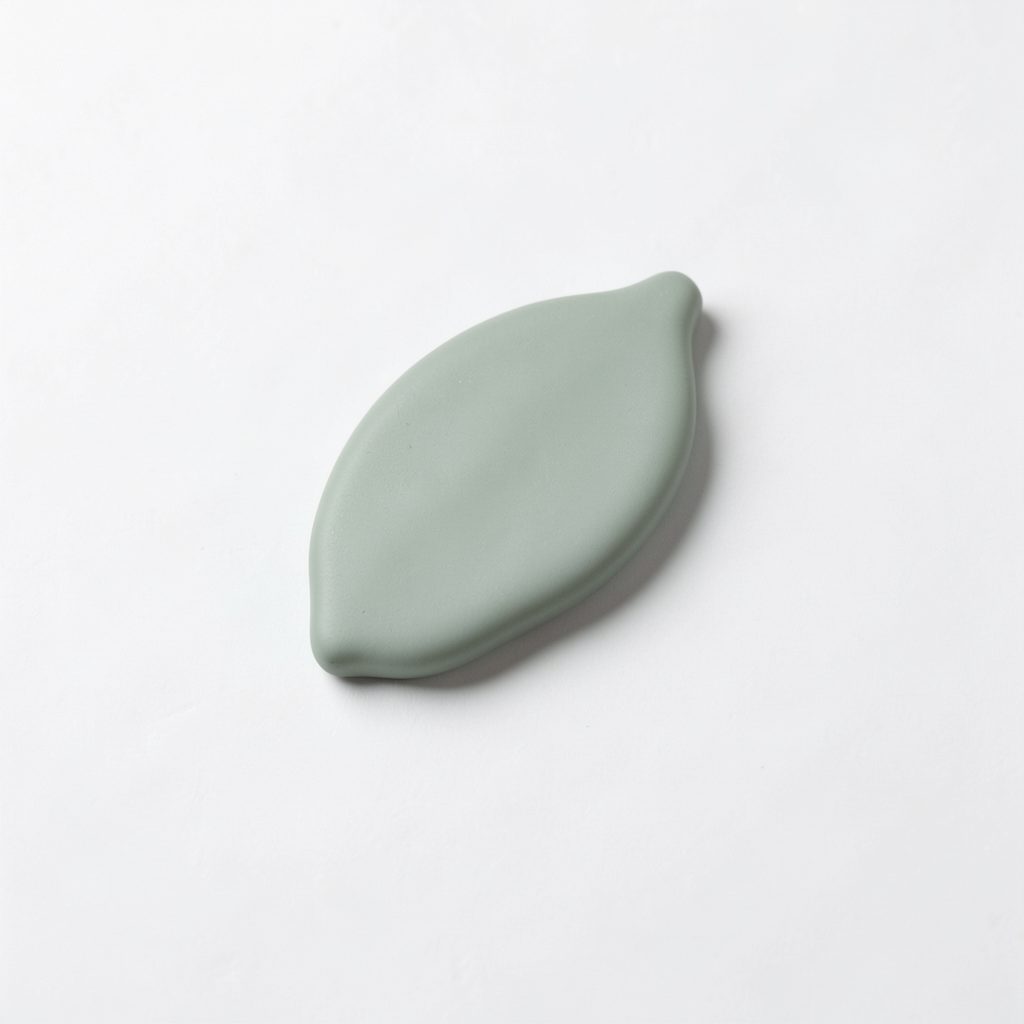
 The Accessorator
How to choose a decorative tray that complements your objects
A decorative tray is one of the most underrated tools in interior styling. It corrals small objects, creates a sense of order, and gives a cluster of items a clear starting and ending point. Yet choosing the wrong tray can undo an entire vignette, pulling the eye away from the objects you actually want to showcase.
In Australian homes, where the line between indoor and outdoor living is famously blurred, trays do double duty. They hold your morning flat white on the verandah, corral car keys and sunnies on the hallway console, and group perfume bottles on the dressing table. The versatility is part of the appeal, but it also means a tray has to work across different settings and lighting conditions.
The trick is to treat a tray as a stage rather than a star. When a tray is too bold, too shiny, or too large, it draws attention to itself and away from the objects on top. The goal is to find something that harmonises with your existing decor, supports the items it holds, and quietly anchors a corner of the room.
Whether you're styling a heritage terrace in Paddington or a new build in Perth, the same principles apply. A well-chosen tray should feel inevitable, as though it has always belonged in the space.
The tray as a quiet stage
Think of a tray as the foundation of a small still life. It groups disparate objects into a single composition and gives the eye a place to rest. When it works, you look at the objects first and the tray second. When it doesn't, the tray becomes the loudest thing on the table.
The mistake many people make is choosing a tray purely for its visual appeal in isolation. That gorgeous brass and marble piece might look stunning in a shop, but if it clashes with the timber tones of your sideboard or the ceramic glaze of your vase, it will fight for attention rather than provide a calm backdrop.
In Australian design circles, there's a strong preference for pieces that feel grounded and natural. A tray made from locally sourced Tasmanian oak or recycled teak tends to feel right at home alongside pieces from local makers like Dinosaur Designs or textiles from Kip&Co. The tray's job is to disappear into the background just enough that the objects on it become the story.
Auditing the objects you already own
Before you choose a tray, take stock of the objects you plan to put on it. Look at their colours, materials, heights, and shapes. Are most of them cool-toned ceramics, warm metals, or soft textiles? A tray that complements this collection will share at least one or two of these qualities.
If you're styling a coffee table in a Melbourne apartment, you might have a pair of stoneware candleholders, a small stack of design books, and a brass picture frame. A warm timber tray with a matte finish would tie those elements together without competing. Conversely, a high-gloss lacquered tray in a bold colour would pull focus away from the objects.
A useful exercise is to gather your objects first, lay them on the surface, and notice what they have in common. Sometimes the answer is a shared texture, sometimes a shared palette, and sometimes it's simply a feeling you want the grouping to evoke. The tray should support that feeling, not introduce a new one.
Material choices for the Australian climate
Australia's light is intense, particularly in Queensland and Western Australia, and the way a material reflects or absorbs that light matters. Highly reflective surfaces like mirror, polished chrome, or gloss lacquer can create glare in north-facing rooms, making a vignette feel harsh rather than calm.
Materials that age gracefully tend to work best. Solid timber develops a patina over time. Brushed brass softens as it oxidises. Rattan and cane, popular in Australian coastal homes, add warmth and texture. Even concrete and unglazed terracotta have their place, particularly in spaces inspired by the muted palettes of the Australian bush.
If you're investing in a timber tray, pay attention to how it's made. A piece with thoughtful joinery and a quality finish will last for decades and only get better with age. Joinery and finish techniques make a real difference to how a tray holds up to daily use, especially if it spends time on a sunny verandah or outdoor kitchen bench.
Shape, scale, and proportion
The shape of your tray should relate to the surface it sits on. A rectangular tray works well on a rectangular coffee table, echoing the lines of the furniture beneath it. A round or oval tray softens a square or angular surface. Repetition of shape creates calm, while contrast can feel jarring if the proportions are off.
Scale is just as important. A tray that is too small for its surface looks like an afterthought, while one that is too large can dominate. As a general rule, the tray should occupy roughly two-thirds of the table or console it sits on, leaving enough negative space around the edges for the surface itself to breathe.
Height is another factor. A very thick tray can make a low coffee table feel bulky. Too thin, and it can look insubstantial under heavier objects. A tray with a slight lip is useful for catching drips from a glass or holding small items that might roll, but a deep rim can hide the objects on it rather than displaying them.
Colour, pattern, and finish
A patterned tray can be tempting, especially in a neutral room, but it carries the same risk as any other bold choice. A heavy pattern will compete with patterned objects on top, making it hard for the eye to settle. If your objects are largely solid and neutral, a subtle pattern can add interest. If your objects are already varied in colour and texture, a plain tray is usually the safer choice.
Finish matters as much as colour. A matte tray recedes, a glossy one advances. In a room with lots of natural light and soft furnishings, a matte or satin finish tends to feel more restful. In a darker room, a subtle sheen can help lift the vignette and reflect what little light there is.
If you're working with a neutral palette of whites, greys, and natural timber, a tray in a deep charcoal, ink blue, or forest green can add depth without overwhelming. Australian interiors often borrow from the landscape, and earthy, muted tones tend to feel native rather than imported. For something more playful, a soft terracotta or dusty pink can echo the colours of the outback without feeling thematic.
If you're unsure how much pattern is too much, it can help to study visual balance in completely unrelated contexts. A recent journal entry explored how layered visual environments can teach us about focal points and rhythm, and the same principles apply to a small tray vignette as they do to a larger composition.
The final arrangement
Once you've chosen your tray, how you arrange the objects on it is the final piece of the puzzle. Groupings of three or five odd numbers tend to feel more natural than even numbers, and varying the heights creates visual rhythm. A tall object, a medium object, and a low object will look more interesting than three of the same size.
Negative space is just as important as the objects themselves. Leave enough room for the tray to show through, and resist the urge to fill every corner. The tray needs to be visible to do its job as a unifying base. If you're styling a powder room or hallway console in a Sydney terrace, a single sculptural object and a small dish for keys might be all you need.
Unexpected sources of inspiration can be useful when you're stuck. For more on how international designers approach surface styling, the Buro 1HOOG guide offers a useful counterpoint to the Australian approach and a chance to see how the same principles translate across very different interiors.
Materials and their best uses
- Solid timber: warm, grounding, ages well in coastal and country homes
- Brushed brass or bronze: adds warmth without shine, suits heritage and contemporary spaces
- Rattan or cane: light and casual, perfect for outdoor entertaining areas
- Stone or concrete: cool and architectural, works in modern apartments
Rules for arranging objects on a tray
- Vary the heights of your objects to create visual rhythm
- Leave negative space so the tray itself remains visible
- Group in odd numbers, as even numbers can feel too formal
- Anchor with one larger piece and build the composition around it
If you're ready to rethink the trays in your own home, start with a single corner. Clear the surface, gather three or four objects you love, and try them on a tray you've overlooked. You might be surprised how a quiet, supportive base changes the way you see everything on top of it. For more on how objects, materials, and craftsmanship shape a room, explore the rest of The Accessorator.