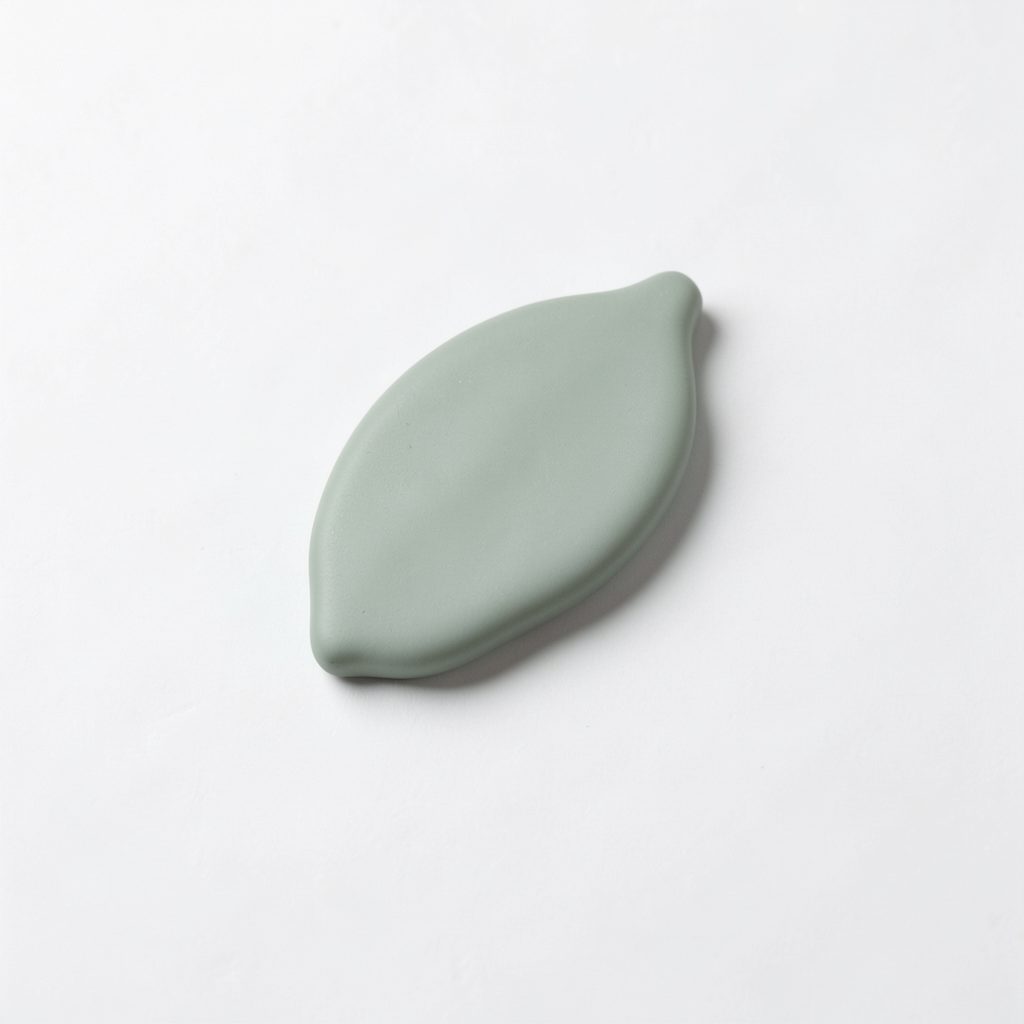
 The Accessorator
How to create a small, intentional display of travel mementos
Travel souvenirs arrive with emotional charge. A chipped tea cup from a rainy week, a market token, a ferry ticket or a tiny clay figure can recall a place more vividly than a polished photograph. Yet the instinct to keep every fragment often turns a shelf into a crowded archive of unrelated shapes, colours and stories.
Creating a small, intentional display of personal travel mementos works better when each object earns its place through memory, scale or material. The goal is a composition that feels personal at a glance and rewards closer looking, without turning the room into a museum of everything that came home.
Begin with an edit, not an inventory
Begin with an edit rather than an inventory. Lay every candidate on a table and group the pieces by trip, object type and memory. A small enamel pin from a harbour walk, a purchased cup and a paper ticket may share one story even though their materials differ.
Keep only the pieces that retain a clear association with a journey, then test the group at actual size. Three to nine objects usually read more confidently than a dozen on a narrow shelf. At Melbourne’s Rosebank Makers Market or Sydney’s Paddy’s Markets in Haymarket, where handmade pieces and inexpensive finds sit near one another, resisting extra purchases preserves the story.
The display base matters too. When a plinth, tray, frame or hanging hardware is needed, compare dimensions and finishes before buying; the advice on careful online shopping can stop a quick purchase from setting the wrong scale.
Find one visual thread
Look for a repeated visual thread: a colour, motif, shape or finish. The lesson in seasonal ornament themes is useful here, because tiny objects gain cohesion when a limited palette is balanced by varied forms. Travel mementos need not match exactly; they should look related.
Let the objects establish the palette. A blue ferry token might lead to a cobalt bowl and a pale linen fragment, while a terracotta shard can anchor a group of brown and cream pieces. Choose two anchoring colours and one accent rather than sorting the travel collection by destination alone.
Scale can unite unlike objects, too. Brisbane’s Valley of Treasures, with its mix of vintage, handmade and locally designed goods, offers a useful lesson: a tiny brooch beside a low bowl feels deliberate when both repeat a colour or material. Odd sizes become rhythm rather than clutter.
Choose a support that suits the collection
Match the support to the scale and weight of the mementos. A single plinth can give a bowl presence, a shallow cabinet can protect fragile pieces, and one framed group can hold paper records without exposing them to dust. Choose a location at eye level or close to where you naturally sit, rather than wherever a little empty wall happens to be.
Although the arrangement may be a shelf rather than a wall, the same principle appears in mixing frames and subjects: contrast frame sizes, materials and viewing distances so the eye moves between pieces. A low horizontal grouping suits tickets and small ceramics; a vertical grid can accommodate taller vessels and a narrow photograph.
Practical constraints matter in Australian homes. In a rental flat, check the agreement before drilling into brick; in a weatherboard terrace, old fixings may not hold securely. A freestanding shelf, mantel or plinth can avoid wall damage, while removable hanging strips suit lighter paper pieces when their weight limit is respected.
Strong sunlight also changes the reading of an arrangement. Position the display away from a bare window, or use UV-filtering glazing and a blind; glare can bleach paper, fade cloth and make glazed ceramics look flatter than they do under softer light.
Let one object set the rhythm
Let one piece set the rhythm. It may be the most meaningful souvenir, the largest object or the piece with the richest colour, and the remaining mementos should support it rather than compete. Place this anchor away from dead centre if the group feels static, then build in odd numbers of smaller pieces.
If the anchor is a glazed cup or bowl, give the ceramic room to be seen. Guidance on arranging blue-and-white ceramics can be adapted for a mixed travel group: repeat one blue, use white as breathing space and place the stronger pattern where the eye lands first.
The supporting objects can include paper, fabric, stone or painted wood, provided they answer the same visual brief. A folded scarf can soften a hard row of ceramics, while a ticket tucked beneath a small dish creates a layered history. Keep those relationships obvious enough to be understood without labels.
Add context with restraint
Context should arrive in small doses. A handwritten line giving the destination and year, a cropped street map or one narrow photograph can orient the viewer without turning the display into a scrapbook. Put those additions on the wall beside the objects, or on a single card, rather than labelling every piece.
Choose contextual material that preserves the sense of discovery. A ferry route ticket, a receipt from a night market or a hand-drawn outline of a coastline can carry more feeling than a mass-produced postcard, while also keeping the objects connected to the experience that produced them.
Before the final placement, compare the grouping with a broader visual reference such as Wald Frieden State, then note the distances, alignments and areas of empty space that hold your attention. The aim is not to imitate the room, but to see your travel objects as a composition rather than a heap of memories.
Keep the display alive
Treat the display as a living archive. Dust gently, rotate paper pieces occasionally and store fragile items in acid-free tissue when they are not on show. A photograph of each arrangement, with a note about its story, creates a record if a souvenir is damaged or lent to a family member.
Australian conditions deserve attention. Coastal homes can carry salt and damp into interior rooms, while bright summer sun can fade cloth and photographs. Keep the display away from radiators, vents and exterior walls, check ceramics for cracks, and use a soft cloth suited to their glaze rather than a harsh household cleaner.
Choose one small surface today: a narrow shelf, a single plinth or one framed group. Gather the travel pieces that hold the clearest memories, remove everything that weakens their relationship, and arrange them at the scale you will actually live with.
Place the most meaningful memento where the eye lands first, build a simple rhythm around it, and allow enough empty space for each object to hold its own story. Make the arrangement now, then refine it as new travel memories earn a place.