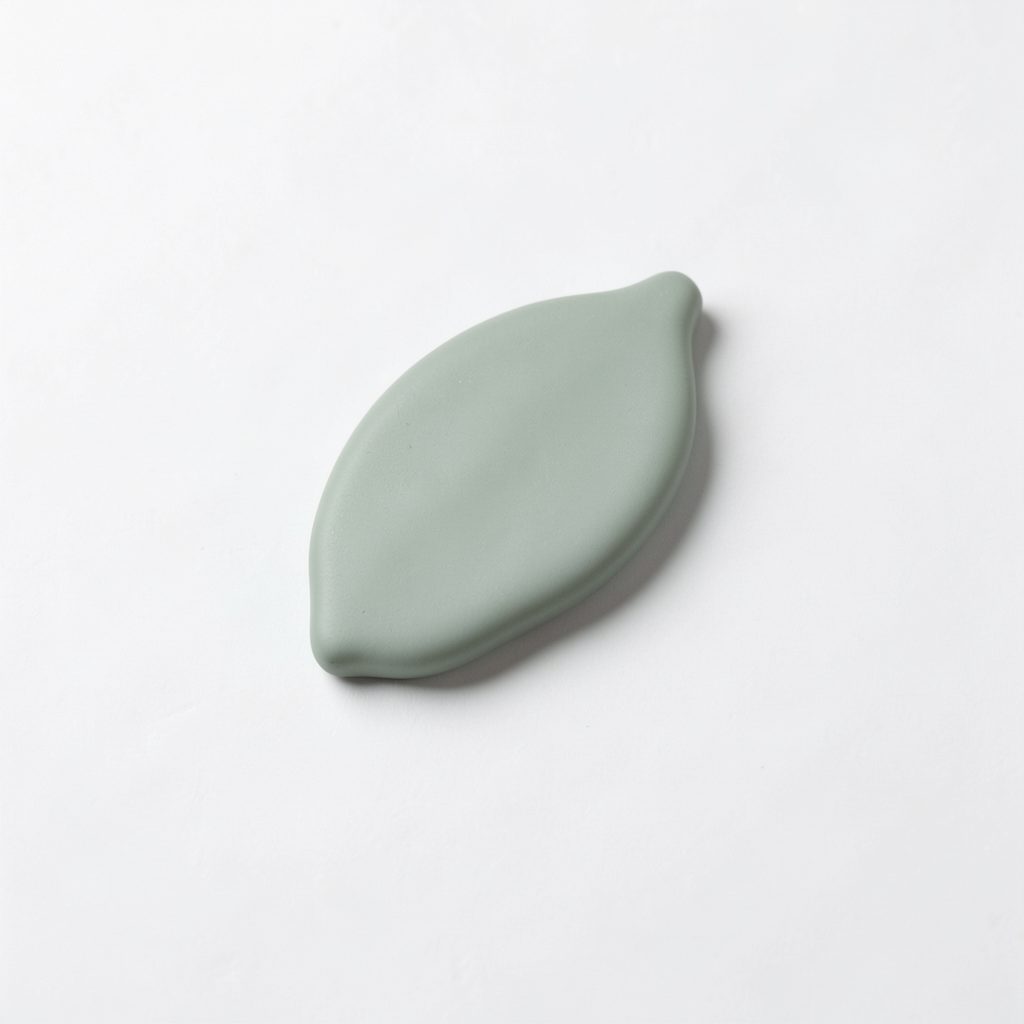
 The Accessorator
How to use a round, tiered stand to display seasonal ornaments
A round, tiered stand gives small objects a clear place within a room. Its circular base feels grounded, while the ascending levels create a staircase effect that makes baubles, ceramics and small sculptures visible from several angles. It works equally well as a Christmas centrepiece, an Easter display or a seasonal vignette on a console.
The stand’s usefulness comes from combining height with a compact footprint. Lower pieces can anchor the composition, middle tiers hold familiar ornaments, and the smallest items sit near the top. This arrangement reduces the need for a large table and allows the display to sit comfortably in an open-plan living room, entryway or dining space.
In Australia, seasonal decorating has some distinctive conditions. Christmas falls in summer, Easter arrives in autumn, and many homes host gatherings where the living, dining and kitchen areas flow together. A tiered stand suits those everyday hosting habits because it creates a festive focal point without taking over a broad entertaining surface.
Good styling begins with the objects, not the stand. Choose a small collection with related colours, varied textures or a shared theme, then let the stand organise them. This makes it easier to refresh the arrangement for different occasions while retaining a few favourite pieces that give the display continuity.
Choose the proportions before the ornaments
Measure the available surface before buying or styling the stand. Check the width of the base, the height of the highest tier and the distance between levels. A narrow pedestal needs fewer, larger objects, while a broad stepped stand can carry clusters of baubles, tiny vases and greenery without looking crowded.
A quick comparison makes the main formats easy to distinguish:
| Stand format | Visual effect | Best seasonal use | Placement note |
|---|---|---|---|
| Round and tiered | Balanced, sculptural and symmetrical | Christmas, Easter or table-wide displays | Keep the circular base clear for an uncluttered outline |
| Long and rectangular | Strong horizontal movement | Larger collections of baubles | Leave space at each end so it does not feel crowded |
| Corner cascade | Informal and layered | Casual rooms and console tables | Angle it away from nearby walls |
| Single pedestal | Simple and architectural | One bowl, vase or sculptural group | Best for narrow surfaces and restrained palettes |
Wider global design perspectives can shift the eye from a familiar Christmas-shopping display to the stand as a small piece of interior architecture. Look for interesting negative spaces between the levels, then use them as part of the composition rather than filling every available centimetre.
Local design markets can provide unexpected starting points. At Carfleigh Sunday Market in Sydney or Rosewood Artists’ Market in Melbourne, vintage ceramics, glass ornaments and found objects may offer more character than a uniform retail set. Under the Australian Consumer Law, goods sold by Australian businesses must be of acceptable quality and fit for their disclosed purpose, so check dimensions, load claims and construction before purchasing.
Build a balanced hierarchy of objects
Begin with the lower tier and work upwards. Place two or three substantial pieces there, such as a stoneware vessel, a low bowl or a cluster of matte ornaments. Their visual weight should keep the composition grounded and prevent the upper tiers from appearing to float.
On the middle level, repeat one or two colours from the base while introducing a contrasting texture. Matte ceramics can sit beside glossy glass, while woven stars or fabric-covered forms soften a collection of hard baubles. Vary the height within each tier so the arrangement feels collected rather than mechanically spaced.
Finish with a few small, distinctive pieces on the upper level. They should not all be the same size: a single sculptural ornament can have more impact than three tiny objects placed side by side. That emphasis on personal, collected accessories also reflects the spirit of the Judi Roaman profile, where decorative pieces reveal taste as clearly as the rooms that hold them.
Shift the palette with the Australian calendar
For an Australian Christmas, red and traditional evergreen are familiar choices, but brighter combinations can feel more appropriate to a summer setting. Try coral, turquoise, deep blue and citrus yellow, or soften the display with pale ceramics and natural fibres. A few reflective surfaces will catch the strong light common in Australian homes.
Easter calls for a different mood. Pale yellow, powder blue, soft green and lilac create a fresh palette that suits the autumn season. Small eggs, leaf forms, birds or abstract shapes can be mixed with budding branches. Avoid making every object explicitly decorative; a few plain vessels provide breathing room and let the seasonal pieces stand out.
The stand can also mark smaller changes throughout the year. Use warm ceramics and textured branches in spring, shells and woven forms near the coast, rust and ochre tones in winter, or harvest-coloured objects for autumn gatherings. Because the circular structure remains constant, changing the palette alone can make the same stand feel entirely new.
Protect the stand and the display
Place the stand on a level surface and check that its feet or base are secure. Keep heavier objects below and avoid overloading the smallest upper tier, particularly if children or pets are nearby. A non-slip pad can reduce movement, while a separate felt layer can protect a timber table from scratches.
Australian summer heat and strong sunlight deserve special attention. Prolonged direct sun may fade printed baubles, soften adhesives and degrade natural fibres. Keep the display away from windows during the hottest part of the day, and use battery-powered or low-heat lighting rather than placing candles near hanging ornaments.
To refresh the display, work from the top down and store each group separately. Soft bags or divided boxes will prevent baubles from knocking against ceramic pieces, while a simple note recording the colour palette helps recreate the arrangement later. Rotating a few objects rather than replacing everything keeps the display personal and reduces unnecessary storage.
Make the stand a seasonal starting point
Choose one upcoming occasion and gather a restrained group of objects for it. Clear the tiers, select a colour story, place the substantial pieces at the base and finish with only a few objects that deserve the highest position. Photograph the finished arrangement, then keep the image as a reference for your next seasonal change.
Treat the stand as a small, useful stage rather than a permanent shrine. Give it new contents for Christmas, Easter, a birthday dinner or a gallery visit, while allowing one or two personal objects to remain. Let the stand become a marker of the passing year, changing shape and colour with each celebration.