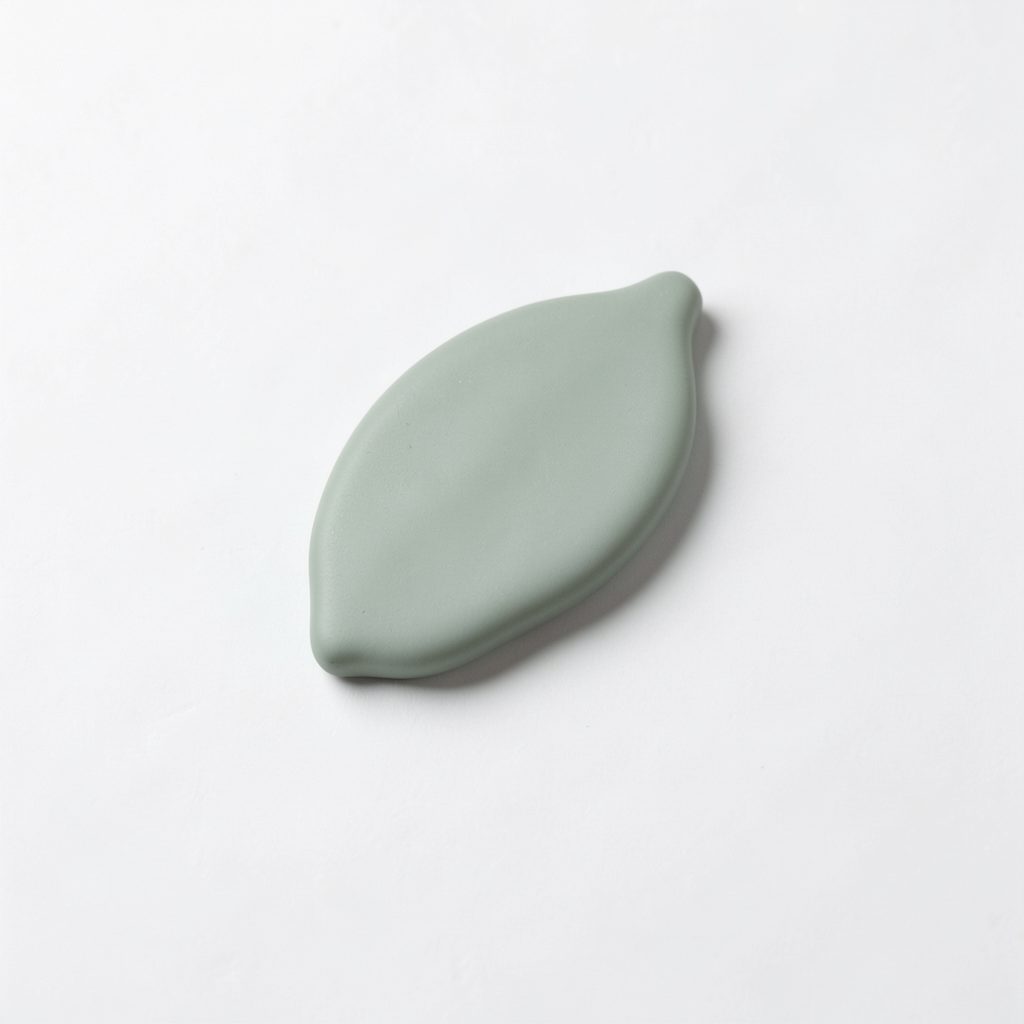
 The Accessorator
How To Use Ceramic Knobs To Dress Up A Plain Dresser
A plain timber dresser can look perfectly serviceable and still feel anonymous. Replacing its standard pulls with a row of ceramic knobs gives the piece a visual point of view, introducing colour, pattern and a small sense of theatre without committing to a complete furniture makeover.
This approach suits a wide range of interiors, from a pale Scandinavian bedroom to a richly layered living room filled with collected objects. The knobs can echo a favourite textile, pick up the tones in a ceramic vase or provide an unexpected contrast against painted timber.
The key is to treat the hardware as a design feature rather than a last-minute replacement. A successful arrangement depends on proportion, spacing, finish and the relationship between the dresser and the rest of the room.
Start With The Dresser’s Shape
Begin by studying the dresser before choosing any decorative hardware. A long, low piece can handle a confident horizontal rhythm, while a narrow chest with tall drawers may benefit from individually varied knobs that emphasise its vertical proportions. Count the drawers, note their widths and look at the existing holes.
Flat-fronted furniture offers the clearest canvas for ceramic knobs. If the dresser has routed edges, bevelled panels or ornate legs, select knobs with enough presence to hold their own without competing with those details. A simple pine chest, by contrast, can welcome highly patterned or hand-painted pieces.
The timber colour matters as well. White and pale oak make saturated blue, green or rust-coloured ceramics stand out. Dark walnut and stained timber often work best with chalky whites, warm ochres or glazed pieces with a little irregularity.
Choose A Coherent Knob Story
A row does not need to be identical to look considered. You might use a single design in several colours, a family of knobs with related botanical motifs, or a mixture united by one glaze colour. Repetition creates order, while slight differences give the dresser the feel of a collected object.
For a quieter result, choose ceramic knobs in one tonal family and vary the surface: glossy, crackled, matte and lightly speckled. For a more expressive room, combine stripes, checks and florals, keeping one element consistent so the arrangement does not become visually noisy.
Design references can come from unexpected places. A colour palette saved beside a Princess casino login page or a fashion photograph may reveal a useful pairing of cobalt, cream and tomato red. The important point is to translate the inspiration into a palette that belongs in the room.
Measure The Hardware Layout
Most Australian homes and hardware shops work in metric measurements, so measure each drawer in millimetres rather than estimating by eye. Mark the centre of every drawer front with a pencil and a ruler. For a single knob, this is usually the most balanced position, though two knobs may suit a wide drawer.
Before drilling, place paper templates over the fronts. Cut small rectangles to match each drawer and mark the proposed hole locations. Step back several metres to check the rhythm. This is especially useful in compact bedrooms, where a row that feels subtle in the showroom can look dominant beside a queen-sized bed.
Check the projection of the knobs, too. A deep ceramic handle may catch on clothing in a narrow passage or obstruct a nearby bedside table. Allow enough clearance for fingers, but avoid creating a bulky profile that makes the dresser difficult to use.
Prepare The Timber Surface
Remove the existing knobs and inspect the holes. If the new ceramic pieces use the same screw size, the change may be straightforward. If the holes do not align, fill them with timber putty, allow it to dry and sand the surface smooth before marking the new positions.
A lightly scuffed and cleaned drawer front gives paint or touch-up stain a better finish around the old holes. Use a fine sanding block rather than aggressive paper, particularly on veneer. Wipe away dust with a slightly damp cloth and let the surface dry fully.
For second-hand furniture, check whether the finish is flaking or the timber is unstable. A dresser found at a Melbourne market may have years of wax, polish and paint layered over it. Stabilise loose veneer and clean away residue before adding decorative hardware, or the new knobs may draw attention to a tired surface.
Install Without Losing Character
Use a drill bit suited to the screw diameter and place masking tape over the marked area to reduce splintering. Drill from the front with gentle pressure, then clear any rough fibres from the reverse side. Keep the drill square to the drawer so the screw sits neatly through the knob.
Ceramic can crack if overtightened. Hold the knob steady while tightening the screw from inside the drawer, stopping as soon as it feels secure. A small washer can help distribute pressure and protect a thin drawer front.
If the dresser is rented, remember that tenancy requirements differ between Australian states and territories. Structural or visible alterations may require the landlord’s written consent under the relevant residential tenancy rules. Keep the original hardware and store it safely, allowing the piece to be returned to its former condition when necessary.
For an extra layer of online caution while ordering vintage or imported pieces, review a Ripper gaming guide separately from your design research and use reputable payment channels for hardware purchases. Decorative decisions should remain grounded in measurements, materials and reliable sellers.
Style The Dresser In The Room
Once installed, give the knobs room to be noticed. Avoid covering the entire top with objects. A low ceramic vessel, a framed print leaning against the wall and one sculptural piece can create a pleasing arrangement without obscuring the new detail.
Repeat one or two colours elsewhere in the room. If the knobs contain leafy green, echo it in a cushion, lampshade or small plant. If they are patterned in black and ivory, connect them to a rug border or picture frame. This makes the hardware feel integrated rather than pasted onto the furniture.
In a Sydney apartment, where storage is often precious, the dresser may serve as a bedroom cabinet, hallway console or dining-room sideboard. The knobs should suit all of those roles. Select a finish that can live comfortably with nearby textiles and objects rather than matching only one temporary arrangement.
Source Pieces And Keep Them Practical
Look for ceramic knobs at independent pottery studios, architectural salvage shops, vintage markets and design stores. Australian makers often produce small batches, so slight variations in size or glaze are part of the appeal. Ask about replacement availability if you are buying an unusual shape for a heavily used family dresser.
Online shopping expands the choices, but check screw length, knob diameter and return policies before ordering. A useful starting point is a curated directory of places to shop, followed by a direct check of each seller’s measurements and material descriptions.
Consider the local climate when choosing finishes. In humid Brisbane or coastal Perth, wipe condensation and spills promptly, particularly around unsealed timber. In a busy household, glossy glazed ceramics are generally easier to clean than porous, unglazed clay. Practicality does not diminish the decorative effect; it helps the piece remain beautiful through daily use.
Take the dresser from ordinary to individual with a measured row of ceramic knobs, a restrained colour plan and hardware that feels connected to the room’s wider collection. Start with one drawer template, gather a few contrasting samples and let the final arrangement bring craftsmanship and personality into everyday furniture.