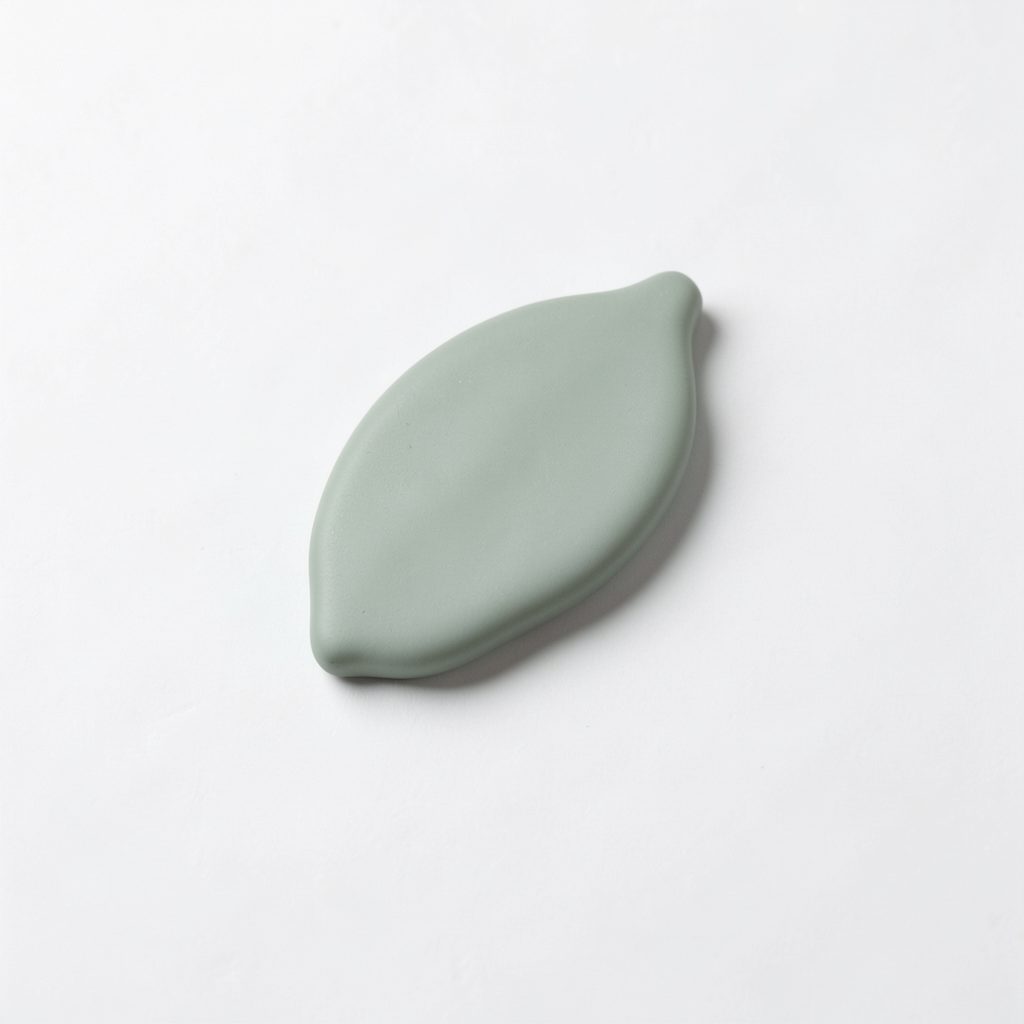
 The Accessorator
A Collected Mantel of Light, Color, and Character
A fireplace mantel has the proportions of a small stage. It is visible from across the room, naturally framed by architecture, and perfectly suited to a changing arrangement of candles, artwork, ceramics, and found objects. Styling it well is less about filling every inch than creating a composition with rhythm, contrast, and a point of view.
The most appealing mantel displays feel collected rather than purchased as a single set. A sculptural vase may sit beside an old clock, while a painting leans casually against the wall behind a pair of candlesticks. The arrangement can echo the room’s textiles and furniture without matching them too precisely.
Candles bring movement through flickering light, art supplies visual focus, and decorative objects add the intimate details that make a home feel inhabited. Together, they can turn a plain ledge into a thoughtful expression of color, craftsmanship, and personal history.
Begin With the Mantel’s Natural Geometry
Before placing anything, look closely at the architecture. Is the mantel narrow and formal, broad and rustic, or interrupted by a mirror, television, or architectural molding? The scale of the fireplace should guide the arrangement. A long mantel can support several visual groupings, while a shallow shelf usually benefits from one strong artwork and a few carefully chosen accents.
Consider the wall above the mantel as part of the composition. A painting does not always need to be centered, particularly when a tall object or architectural feature already occupies one side. A slightly off-center arrangement can feel more relaxed, provided the visual weight is balanced elsewhere.
It also helps to establish a base layer before adding small accessories. A framed work, large mirror, textile panel, or pair of prints gives the eye somewhere to rest. Leaning art against the wall creates a softer, more informal effect than hanging every piece at a precise height.
Build a Candle Arrangement With Rhythm
Candles are most effective when they vary in height, finish, and shape. Try a tall pair of brass candlesticks beside a low ceramic votive, or place several pillar candles in stone, glass, and earthenware holders. The aim is a gentle rise and fall rather than a row of identical flames.
Odd groupings often feel more natural because they avoid rigid symmetry. Three candleholders in related but differing forms can create a focal point, especially when one is slightly taller than the others. If the mantel is already visually busy, use simple holders in one material to provide quiet structure.
Safety and practicality should remain part of the design. Keep flames away from trailing greenery, paper, artwork, and fabrics, and leave enough space to light or remove each candle easily. Battery-operated candles can work beautifully in hard-to-reach places, especially when their warm color temperature resembles real firelight.
Let Artwork Set the Emotional Tone
Artwork gives the mantel its mood. An abstract painting in saturated red or cobalt can energize a room filled with neutral upholstery, while a quiet landscape may reinforce a collection of pale ceramics and weathered wood. The work need not depict a fireplace or relate literally to the objects beneath it.
Layering is useful when the arrangement is meant to feel collected over time. Lean a medium-sized painting behind a smaller framed photograph, then introduce a low object in front to connect the two levels. Keep the overlaps intentional: each piece should remain partially visible, and the front objects should not obscure the most important details of the art.
Color can be repeated without becoming predictable. A blue brushstroke in a painting might reappear in a porcelain bowl, a glass candlestick, or a patterned cushion nearby. For a softer room, the tactile contrast of hand-painted silk pillows can bring painterly color from the seating area toward the fireplace.
Combine Objects With Different Personalities
A mantel becomes compelling when its objects do not all speak in the same visual language. Pair a polished metal clock with a rough clay vessel, or place a carved wooden figure near a glossy stone bowl. Differences in texture make even a restrained palette feel layered and rich.
Height is only one part of balance. A heavy object on one side may be countered by several smaller pieces on the other, while a dark form can balance a larger but paler one. Step back frequently to judge the arrangement from the doorway, sofa, and side angles where it will actually be seen.
Small accessories are especially meaningful when they carry a memory or reference. A travel souvenir, inherited box, studio pottery piece, or fragment of sculpture can make the display feel personal. The practice of telling a story with objects applies beautifully to a mantel, where a few well-chosen pieces can suggest an entire history.
| Mantel Element | Best Function | Useful Pairings | Effect |
|---|---|---|---|
| Candlesticks | Add height and evening light | Low bowls, framed art | Warmth and rhythm |
| Painting or print | Establish a focal point | Leaning frames, sculptural objects | Color and atmosphere |
| Ceramic vessel | Introduce texture and volume | Branches, books, votives | Craft and softness |
| Clock | Provide structure and character | Brass, wood, dark stone | A sense of history |
| Small collected objects | Add personal meaning | Trays, boxes, photographs | Narrative and intimacy |
Use Color and Texture as Connective Threads
A successful fireplace display usually has a limited color vocabulary. Choose two or three dominant tones from the room, then allow a few quieter neutrals to keep the arrangement from becoming overly decorative. A rust-colored vase, amber glass, and terracotta candleholder can feel connected even when their shapes differ.
Texture keeps a controlled palette from appearing flat. Combine matte pottery with reflective glass, woven fiber with polished metal, and rough stone with smooth painted surfaces. These contrasts become especially noticeable in evening light, when candle flames travel across glossy and uneven finishes in different ways.
Seasonal adjustments do not require a complete redesign. In spring, replace heavy objects with pale ceramics or delicate branches. During colder months, introduce darker vessels, velvet details, aged brass, or a cluster of substantial pillar candles. The underlying composition can remain intact while its atmosphere changes.
Edit the Display Until It Can Breathe
The final stage is subtraction. Remove one object, then observe whether the remaining pieces have more presence. Empty space around a beautiful vessel or painting is active, allowing the eye to distinguish shapes and giving the entire mantel a more confident appearance.
Avoid placing every object at the same depth. Some pieces can sit close to the wall, while others project forward on a shallow stack of books or a discreet tray. This layered positioning creates depth without requiring a large number of accessories.
A mantel should also relate to the rest of the room. Repeat a material found in a side table, echo a textile pattern from an armchair, or carry a color from a nearby artwork into the fireplace arrangement. Visits to galleries and design exhibitions can sharpen the eye for these relationships, particularly the way artists and designers balance empty space with concentrated detail.
Practical Choices for a Lasting Arrangement
The best display is one that can be lived with. Dust-catching objects may need to be rotated, candles require regular trimming, and delicate art should be protected from excessive heat. If the fireplace is used often, check the manufacturer’s clearance guidance before positioning any artwork, textiles, or flammable accessories above it.
Use a narrow tray when several small pieces begin to look scattered. It creates a visual boundary and makes cleaning easier. Books can raise a low object, but choose volumes with stable bindings and avoid stacking too high near an open flame. A discreet museum wax can help secure fragile ceramics in homes with pets, children, or frequent movement.
A well-styled mantel is allowed to evolve. Move the tallest piece to another side, exchange a bowl for a vessel, or remove a decorative object that no longer feels connected to the room. The display should reflect the changing life of the home rather than remain frozen as a finished arrangement.
Choose one artwork, one source of candlelight, and three objects with different textures to begin. Place them at varied heights, step back, and let the room tell you what is missing—and what can remain beautifully unfilled.