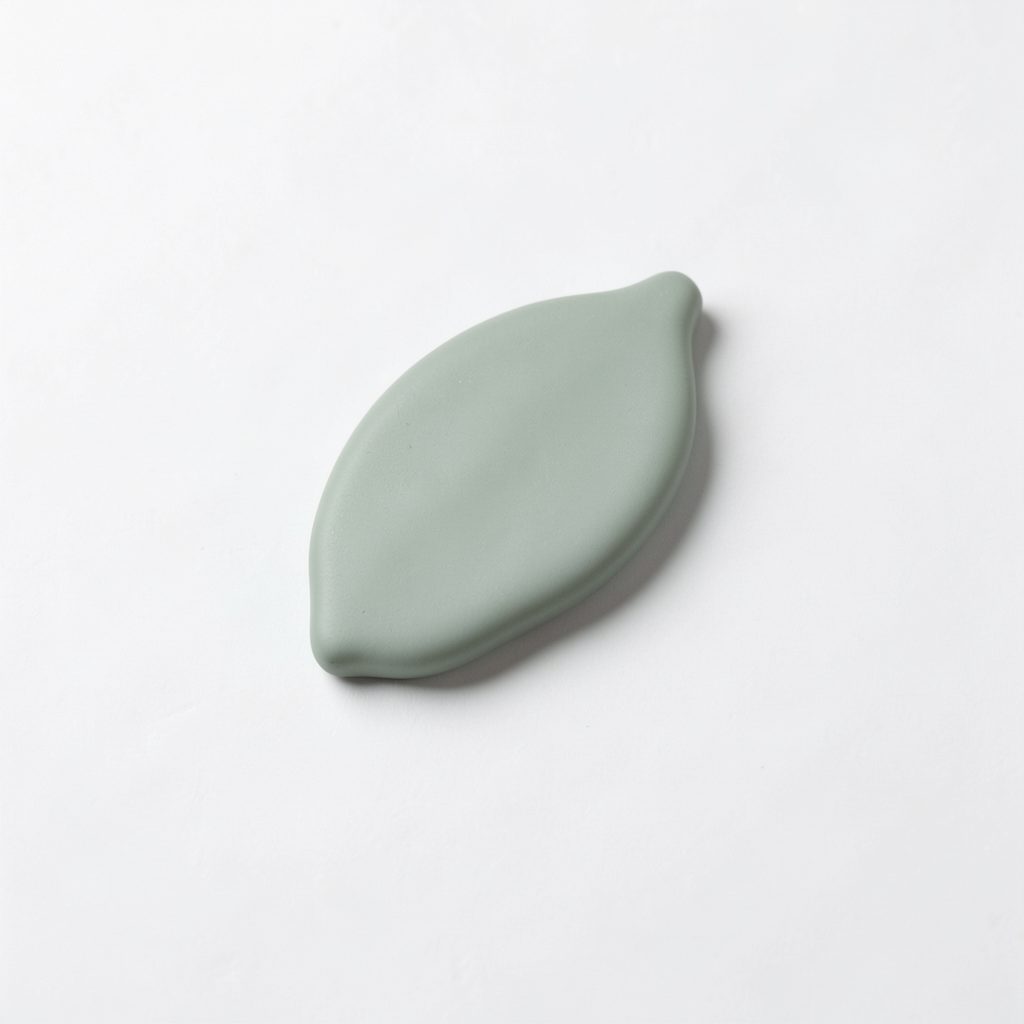
 The Accessorator
Styling a Secretary Desk with a Lamp, a Small Sculpture, and a Stack of Letters
A secretary desk has a useful theatrical quality: closed, it resembles a handsome cabinet; open, it becomes a compact stage for daily rituals. The writing surface, pigeonholes and upper shelves create natural boundaries for a considered arrangement, making even a small corner feel intentional. A lamp, a small sculpture and a stack of letters can give the piece personality without turning it into a crowded display.
The best versions feel collected rather than decorated in one afternoon. A useful object should remain easy to reach, while the beautiful objects establish a mood around it. In an Australian home, where sunlight, timber floors and open-plan rooms often shape the atmosphere, the secretary can provide a quieter, more intimate note.
Begin With the Desk’s Character
Start by looking at the secretary desk as furniture before adding anything to it. A dark timber example can support brass, amber glass and warm paper; a painted desk may suit ceramic, linen and a lamp with a softer silhouette. For references to scale, period and finish, explore these secretary desks and furniture before deciding whether the arrangement should feel traditional, modern or deliberately eclectic.
The desk should have enough visual weight to anchor the vignette. In a Melbourne terrace, a slim secretary tucked into a hallway or living room may need a pale finish to keep the passage open. In a larger Sydney apartment, a substantial walnut or oak piece can hold its ground against art, books and a generous sofa. Leave some of the surface visible: negative space makes the objects appear chosen rather than accumulated.
Give the Lamp a Practical Presence
The lamp is the functional centre of the composition. Choose one with a shade that directs light onto the writing surface without hiding the sculpture or creating glare on framed artwork nearby. A ceramic base, pleated textile shade or aged metal stem can introduce a second material while keeping the arrangement visually coherent.
Consider the desk’s position during the evening. A lamp beside a window may need a compact profile so it does not compete with daylight, while a secretary in a darker corner can carry a stronger colour or sculptural base. Australian homes often have bright northern light, especially in rooms facing north in southern cities, so test the lamp at different times of day before settling on a shade colour.
Electrical safety deserves attention as well. Choose a lamp sold for the Australian market and check that electrical equipment carries the appropriate Regulatory Compliance Mark. Keep the cord tidy and away from the desk’s hinges, particularly if the secretary is used regularly. A discreet cord cover or a nearby power point will preserve the calm appearance of the arrangement.
Let the Sculpture Add a Pause
A small sculpture should provide a pause for the eye rather than compete with the lamp. Look for a piece with a clear outline: a carved wooden animal, a miniature bronze, a folded ceramic form or an abstract object with a pleasing irregularity. Its scale should relate to the desk’s compartments and the lamp, usually sitting below the lamp shade or slightly to the opposite side.
Position the sculpture where it can be seen when the writing flap is open. A small object placed too far back may disappear into the pigeonholes, while one at the front can interfere with writing. A little asymmetry is often more engaging than a perfectly centred arrangement. If the lamp occupies the left side, place the sculpture towards the right and allow the letters to bridge the two.
Texture can do much of the work. A matte sculpture against polished timber creates contrast; a glossy glaze can echo the sheen of a brass handle. For a relaxed, organic direction, these garden-inspired interiors offer useful cues about combining natural forms, weathered surfaces and restrained colour without making the desk look themed.
Make the Letters Look Lived In
The stack of letters should suggest correspondence, memory and use, rather than serve as a decorative prop. Choose envelopes in a few related tones and keep them loosely aligned. Cream, pale grey, faded blue or muted terracotta can complement the desk while bringing a quiet layer of colour. A single postcard or folded note at the top gives the stack a sense of movement.
Keep the pile low enough to remain believable. Five to ten letters usually have more charm than a tall tower that looks staged. Tie them with narrow ribbon, place them in a shallow ceramic tray or let one envelope sit slightly askew. Avoid placing paper directly beneath a lamp that becomes hot, and keep valuable correspondence away from direct afternoon sun, which can fade ink and paper.
Paper also introduces a softer, more personal counterpoint to hard furniture. For broader material-led references, consider how textiles, surfaces and tactile details can influence the feeling of a room. The same principle applies here: the letters should add warmth and evidence of life, not simply fill an empty patch.
Build a Palette Around One Repeated Tone
A secretary desk arrangement becomes easier to edit when one colour appears twice or three times. A rust-coloured envelope might relate to a ceramic lamp base and a thread in a nearby cushion. A blue sculpture could connect with a painting across the room. Repetition creates a visual conversation without requiring matching pieces.
Metal is another useful connector. Brass drawer pulls can be echoed by a small gilt frame or a warm lamp fitting, while blackened hardware can support charcoal paper, dark ceramics or an ink drawing. Avoid introducing every finish at once. Timber, paper, one metal and one ceramic surface are usually enough for a compact composition.
Australian interiors often benefit from colours that respond to the landscape without becoming literal: eucalyptus green, sandstone, ochre, cloud white and deep ocean blue. These shades work across coastal homes, city apartments and suburban rooms. In humid Brisbane conditions, keep paper away from damp external walls and allow air to circulate around the desk; careful placement will protect both the furniture and the correspondence.
Keep the Arrangement in Daily Use
Open and close the secretary several times after styling it. The lamp should remain stable, the sculpture should not block a drawer, and the letters should be easy to pick up. If the desk is in a family living area, leave enough room for a notebook, a phone or a pair of reading glasses. Beauty is more convincing when the arrangement accommodates real habits.
Edit from different viewpoints: standing in the doorway, sitting on the sofa and approaching the desk. A sculpture that looks perfect from the front may seem too tall from the side. The lamp may need to shift a few centimetres to illuminate the writing area. These small adjustments create the relaxed precision associated with a thoughtfully collected room.
Dust the sculpture and timber regularly, and use a soft, dry cloth on finished surfaces. Avoid placing drinks on the writing flap, especially when the desk is an antique or veneer piece. For further observations on rooms where objects, art and furniture work together, browse these accessory-led rooms, then return to the desk and remove anything that feels unnecessary.
A secretary desk becomes most compelling when it holds a little tension between display and use. Set the lamp at a comfortable height, place the sculpture where its shape can breathe, and keep the letters within reach. With those three elements in balance, a modest piece of furniture can become a glowing, personal corner for writing, reading and remembering.