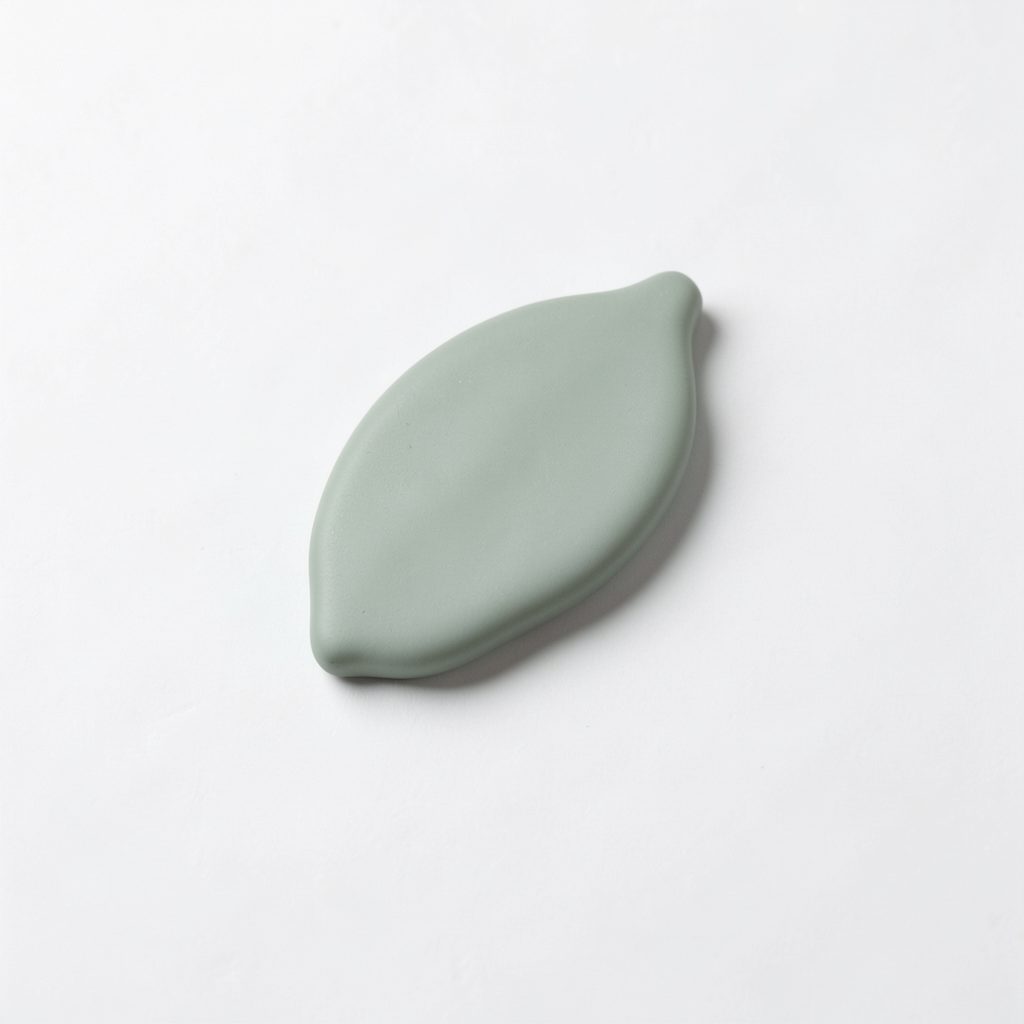
 The Accessorator
A colourful ceramic doorstop for a minimal entry
A minimal entryway has a particular kind of visual discipline. With fewer objects competing for attention, every item becomes more noticeable, from the line of a console to the texture of a doormat. A colourful ceramic doorstop can therefore do far more than hold a door open: it can introduce character, colour and a small moment of surprise.
The object works especially well because it combines usefulness with display. A glazed form in cobalt, tomato red, jade or saffron can act like a small piece of sculpture, while a hand-modelled surface brings warmth to an otherwise restrained threshold. In a pared-back home, this is often enough to make the entrance feel considered rather than empty.
Australian homes offer plenty of settings for this approach. A narrow Melbourne terrace may need a compact object beside a painted timber door, while a Sydney apartment entry can benefit from one strong accent instead of several decorative pieces. In Brisbane or Perth, where bright daylight can intensify colour, a glossy ceramic surface may become a lively focal point without adding visual clutter.
The best choice is guided by proportion, door movement and the mood of the home. Think of the doorstop as an accessory selected with the same care as a vase, cushion or piece of jewellery. Its practical role gives it a reason to be there, while its colour and craftsmanship allow it to contribute to the room’s visual language.
Why a small object changes the whole threshold
Minimal interiors depend on relationships between a few carefully chosen elements. A plain wall, pale timber floor and unadorned door may feel calm, but they can also lack a point of focus. A ceramic door wedge supplies a low, grounded note of colour that draws the eye without interrupting the simplicity of the space.
Its position matters. Set slightly to the hinge side, it can create a gentle diagonal that leads the eye from the entrance into the adjoining room. Placed beside a console or umbrella stand, it becomes part of a small still life. The effect is subtle: the doorstop does not announce itself as a decorative centrepiece, yet it gives the entry a recognisable visual anchor.
This principle is similar to the way lighting affects movement through a home. A carefully positioned lamp can make a passage feel more welcoming and define a route between rooms; floor lamp placement offers a useful parallel. The doorstop works at a lower level, establishing rhythm close to the floor.
Choosing colour for a restrained interior
Colour should relate to something already present, though it does not need to match exactly. A rust-coloured ceramic piece might echo a terracotta tile, a woven runner or the warm undertone of an oak bench. A deep blue version can pick up painted cabinetry, artwork in the next room or the cooler cast of polished concrete.
Contrast can be just as effective. In a white entry with black hardware, a lemon-yellow or emerald doorstop creates a deliberate interruption. The key is to keep the surrounding palette quiet so the accent has space to breathe. One saturated object usually feels more sophisticated than a collection of small, competing colour notes.
Surface finish changes the mood as much as hue. High-gloss glaze catches sunlight and suits a crisp contemporary apartment, while a chalky matte finish feels grounded and artisanal. Speckles, brush marks and slight irregularities are valuable in a minimal setting because they prevent the room from becoming overly smooth or anonymous.
Australian ceramic studios and design markets offer many pieces with this handmade quality. Looking through local makers at weekend markets or independent shops can reveal forms that feel connected to the region’s relaxed design culture, rather than mass-produced objects found in every showroom.
Balancing function, scale and safety
A doorstop must be heavy enough to resist a moving door and stable enough not to slide across the floor. Ceramic alone can be vulnerable if it is knocked against a hard skirting board, so a rubber base, felt underside or carefully positioned protective pad is worthwhile. Check that the shape will not scratch timber, polished concrete or delicate tile.
Scale is equally important. A tiny ornament can disappear beside a substantial door, while an oversized wedge may make a narrow entry feel blocked. For a standard internal door, a compact form with a broad base usually offers the right balance. In a small apartment, look for a low profile that leaves clear space around shoes, bags and daily movement.
Safety should take precedence over styling. The doorstop must not obstruct an exit, narrow an accessible route or create a trip hazard. In apartment buildings, residents should also consider strata by-laws and avoid placing objects in shared corridors or near fire doors. The National Construction Code includes access and egress provisions for relevant Australian buildings, so decorative placement should never interfere with required pathways.
For a rental, keep the solution reversible. A freestanding ceramic weight avoids drilling and can move with you when a lease ends. It also suits the everyday Australian habit of opening doors for cross-ventilation, particularly during mild mornings and evenings when fresh air moves through the house.
Building a collected entry around one piece
A colourful doorstop can be the starting point for a small composition, but restraint keeps the arrangement convincing. Pair it with one other object at a different height, such as a slim timber stool, a wall-mounted artwork or a shallow ceramic dish on a console. Repeating the doorstop’s colour once elsewhere creates cohesion without turning the entry into a themed display.
Textiles are useful for softening the hard surfaces usually found near a front door. A striped runner can make a bright ceramic form feel more relaxed, while a small woven mat can reinforce its handmade character. If the home already includes patterned fabrics, use a related tone rather than an identical print. The aim is visual conversation, not perfect coordination.
This approach also connects with the wider language of accessorising. A room can feel assembled over time when practical objects sit alongside decorative ones. For ideas about combining soft furnishings with purpose and ease, designer pillow arranging demonstrates how colour, scale and texture can be layered without losing clarity.
In an Australian coastal home, a turquoise glazed doorstop might sit comfortably with rattan and bleached timber. In a Melbourne warehouse, an oxblood or ink-blue piece may work better with brick, steel and darker flooring. The object should respond to the architecture rather than impose a generic style.
Making the entry feel welcoming every day
The most successful threshold accessories support real routines. Leave enough room for a pair of frequently worn shoes, a market tote or a dog lead without forcing these items around the ceramic piece. A doorstop should make daily movement easier, not become another object that needs to be shifted each morning.
Consider sightlines from inside the house. The colour may be seen from a kitchen, living room or hallway, so choose a shade that remains appealing from more than one angle. Morning light can reveal glaze variations, while evening lamps may deepen a saturated tone and give the object a more intimate presence.
A nearby seat can make the arrangement practical in a larger entrance. A low bench or floor cushion offers a place to put on shoes, and casual floor seating can add softness without demanding a formal furniture arrangement. Keep the seating clear of the door’s swing and maintain a comfortable passage.
Clean the ceramic according to its finish, especially in homes where sandy shoes, garden soil or beach gear regularly pass through the entry. A simple wipe is usually enough for glazed surfaces, while unglazed clay may need gentler care. That small maintenance ritual preserves the object’s colour and keeps a useful household tool looking like a valued piece of design.
Choose a ceramic doorstop with a colour that gives your entry energy, a form that feels good in the hand and a base that respects the floor beneath it. Place it where function and composition meet, then let the rest of the threshold remain quiet. One expressive object can give a minimal entrance the warmth, wit and individuality of a collected home.