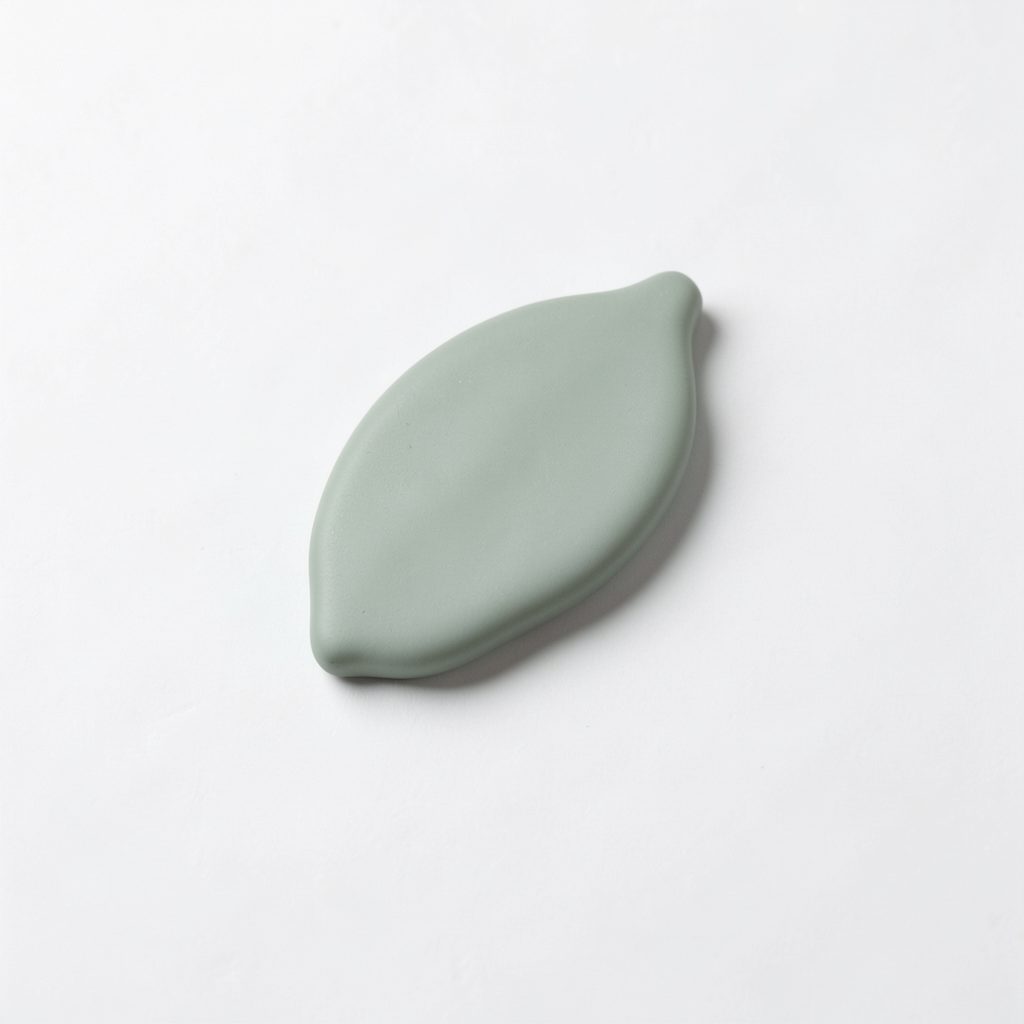
 The Accessorator
The story behind a collection of mismatched vintage door knobs
A door knob is a small object with an unusually intimate role in a home. It meets the hand dozens of times a day, catches the light from the hallway, and quietly signals whether a room feels formal, playful, rustic or polished. A collection of mismatched vintage door knobs turns that ordinary encounter into a record of changing tastes, renovations and lives lived behind closed doors. Learn more about Waldfriedenstate.com.
The collection began with a single porcelain knob found in a Melbourne antiques shop. It had a hairline crack, a faded cobalt flower and a brass spindle that no longer fitted any modern latch. Rather than treating it as unusable hardware, I saw it as a miniature piece of domestic art. Each later find brought a different surface: cloudy glass, mottled bakelite, carved timber, painted ceramic or cool nickel.
This is the kind of detail that belongs in the wider world of Accessorator home, where decorative objects are valued for their colour, texture and ability to alter the mood of a room. A door knob can work like a small sculpture, especially when it is displayed in a bowl, mounted on a board or paired with furniture that gives its history room to breathe.
In Australia, vintage hardware often carries a particular sense of place. A brass knob may have come from a Federation cottage in inner Sydney, a glass example from a Queenslander in Brisbane, or a heavy timber pull removed during a renovation in Adelaide. The collection is mismatched by design, yet its differences create a visual conversation about architecture, travel and the changing Australian home.
The first finds and the stories they carry
The first porcelain knob was followed by a pair of amber glass knobs from a Sydney terrace house. Their colour was the shade of old honey, and the faceted edges scattered afternoon sun across a white wall. One had a longer screw than the other, suggesting that the pair had been separated from their original door at different times.
A chipped wooden knob arrived from a weekend market in regional Victoria. Its dark surface had been softened by years of hands, while a small patch of pale timber showed where the finish had worn away. It reminded me that patina is not decoration applied after the fact; it is evidence created slowly through use.
The pleasure of collecting lies partly in these fragments of biography. Even when a seller knows little about an object, its materials offer clues. Tarnished brass suggests neglect or exposure, milk glass points towards a certain domestic elegance, and painted ceramic often carries the personality of a particular room. A collection becomes a form of visual storytelling without needing a complete provenance.
How to read age, material and craftsmanship
Vintage door furniture rewards close inspection. Look at the underside, the backplate, the screw heads and the spindle hole. Machine-made pieces tend to have regular edges and repeated marks, while hand-finished examples may show small variations in glaze, carving or casting. Those irregularities are useful evidence, although they should not be mistaken automatically for great age.
The Australian market has its own mixture of imported and locally made hardware. British designs travelled widely through colonial building traditions, while later Australian homes absorbed American, European and mid-century influences. At Melbourne’s Camberwell Sunday Market or a Sydney architectural salvage yard, it is possible to find pieces from several eras in the same crate.
Colour is just as revealing as construction. Oxidised bronze can suggest a moody, library-like interior; clear glass feels lighter and more optimistic; cream ceramic suits a country kitchen or a relaxed coastal scheme. The same finish changes character according to its neighbours, which is why a solitary object can appear unremarkable until placed beside a patterned textile or a painted cabinet.
A visual archive in miniature
The collection works best when the differences remain visible. Matching every item would turn the group into a reproduction set, while too much randomness could make it feel like a hardware drawer. The balance comes from repeating one quality, such as warm colour, rounded silhouettes or a preference for tactile surfaces.
| Material or finish | Visual character | Useful setting | Detail to preserve |
|---|---|---|---|
| Porcelain | Soft, decorative and delicate | Bedroom, study or hallway | Floral transfer, crackle or hand-painted marks |
| Faceted glass | Bright, reflective and elegant | Entry, bathroom or display cabinet | Chips, bevels and amber or clear colour |
| Brass | Warm, architectural and adaptable | Federation, Art Deco or contemporary rooms | Tarnish and engraved edges |
| Bakelite | Saturated, graphic and mid-century | Office, kitchen or bar area | Original colour and moulded shape |
| Timber | Tactile, quiet and organic | Cottage, cabin or relaxed living room | Wear patterns and grain |
| Nickel or chrome | Crisp, cool and functional | Modernist or utility-inspired interiors | Original plating and geometric form |
A small timber board can turn the collection into wall art. Mounting knobs at varied heights gives the display the rhythm of a salon wall, while a narrow shelf allows the pieces to sit beside ceramics, postcards and small framed works. In a rental, removable hooks or a freestanding tray can offer a similar effect without altering the property.
There is also a useful connection between the objects and food culture. The contrast between sweet colour and darker, smokier tones recalls this smoky chili method: rich surfaces gain depth when they sit beside something brighter. A tobacco-coloured bakelite knob beside pale blue porcelain has the same visual tension as a carefully layered interior palette.
Bringing old hardware into a contemporary room
Mismatched knobs do not need to be installed on working doors to earn their place. They can become drawer pulls on a custom console, hooks for tea towels, handles on a linen cupboard or decorative accents on a room divider. If they are used functionally, check the spindle size and latch compatibility first; many older fittings require adaptation rather than direct replacement.
The safest approach is to let the hardware contrast with a simple background. On a white or softly coloured wall, dark brass and timber gain presence. Against a deep green or ochre surface, porcelain and clear glass become luminous. In a compact Melbourne apartment, a small arrangement can provide the character of an old house without pretending that the building itself has a century of history.
The idea also fits naturally within a broader view of collected interiors, where objects from different places are allowed to sit together without being forced into a single period style. A Queenslander-inspired room may accommodate a European glass knob, an Indian textile and a contemporary Australian ceramic if their colours and textures establish a convincing relationship.
For larger pieces, the knobs can act as punctuation. A plain pine cabinet gains a more personal identity with three different ceramic handles, while a sleek sideboard becomes less severe with one sculptural timber pull. The result should feel edited rather than accidental: mismatching is most effective when there is an underlying decision about scale, colour or repetition.
Ways to collect and display with intention
A collection grows more gracefully when each new piece earns its place. Before buying, consider whether the knob adds a new material, shape or colour, or simply repeats something already owned. Condition matters too, but small flaws are often part of the appeal when they do not compromise stability or safety.
These practical habits help keep the group expressive rather than cluttered:
- Photograph each find beside a ruler and note its material, dimensions and purchase location.
- Keep original screws, plates and fittings in labelled envelopes, even when they are not currently usable.
- Group pieces by colour or surface when displaying them, rather than arranging them strictly by age.
- Use a tray, shallow shelf or timber backing board to give small objects a clear visual boundary.
- Pair ornate knobs with quiet furniture, and reserve several bold pieces for a focused display.
- Clean gently with a soft cloth, avoiding aggressive polishing that removes useful patina.
- Check lead content, brittle finishes and structural stability before installing vintage hardware in a child’s room.
A particularly satisfying display can sit near an entryway, where the objects echo the function of the door without competing with it. In a more spacious home, a collection might share a wall with framed textile samples or small artworks. For ideas about how objects can shift the personality of a room, the visual language of furniture studies offers a helpful reminder that scale and placement matter as much as the object itself.
The collection remains unfinished, as all good collections do. The next piece may be found in a dusty architectural salvage shop, an op shop in Hobart or a country market outside Canberra. Choose it for the story its surface suggests, give it a considered setting, and let these small points of contact keep the rooms connected to the hands and homes that came before.