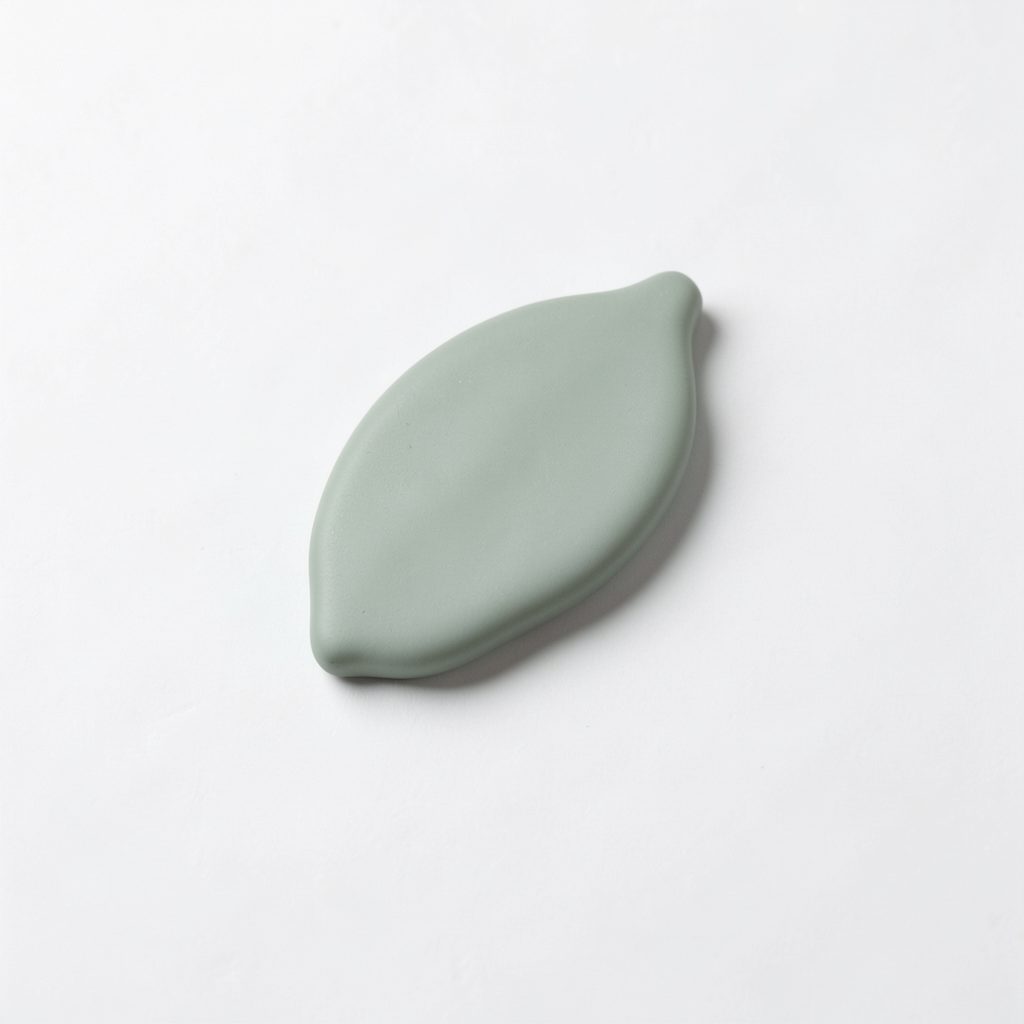
 The Accessorator
Sculptural bookends that anchor a row of novels with style
The row of novels beside the sofa usually receives less care than the coffee table. Sleeves fade, hardcovers slump in a Sydney summer, and the whole line drifts sideways by Friday afternoon. A sculptural bookend set pulls that line back into shape.
In a country where living rooms open onto the garden and walls tend to be pale hoop pine or painted plaster, sculpture on a shelf reads almost like a piece of landscape brought indoors. The right pair punctuates a long sentence of spines, marking where the row begins and ends.
Material that reads as sculpture first
Stone and cast bronze remain the most forgiving anchors. A pair of honed basalt blocks in charcoal sits calmly against a row of locally made novels, the weight pulling the line flush without pressing hard. Bronze patinated in verdigris catches the raking daylight that pours through east-facing windows in a Federation terrace.
Ceramic offers a softer register. A wheel-thrown pair with visible finger marks reads as handmade, suiting rooms layered with linen curtains, blackbutt shelving and the warm lighting Australians tend to favour. Terracotta carries a quiet warmth that picks up the orange ochres of a desert-toned artwork without competing for attention.
Reading proportion against spine height
A common mistake is matching the bookend height to the average spine. Books sold upright slump once they have relaxed into a row, so the end pair must stand taller than the tallest spine. For paperbacks around 22 centimetres tall, a bookend reaching 25 to 28 centimetres keeps the line flush.
Width matters just as much. Slim vertical pieces work on a narrow shelf beside a bed, while a chunky low-slung pair reads better on a deep bookcase along a living room wall. From the side, the bookend should be the first thing the eye notices, not the books it is holding.
Colour echoes in a bright room
Punctuation need not mean a contrasting colour. A pair of bookends in the same warm grey as the surrounding walls lets the spines do the work, with the sculpture quietly holding the line. This works in a quiet bedroom where the books feel like part of the architecture rather than the decoration.
A bolder pair in oxblood or deep forest green pulls the eye straight to the row, turning the books into a backdrop. In a coastal home in Byron Bay or Noosa, a chalky blue pair echoes the horizon without fighting the spines. Pattern works best in smaller spaces where the room only needs a small surprise in the corner of the eye.
Pair or single object as anchor
Australian rooms often ask for asymmetry. A single heavy piece at one end and a stack of horizontal books at the other keeps the row tidy without looking like a furniture catalogue. The asymmetry suits the relaxed, slightly imperfect interiors most Australian homes aim for.
When going with two, the pair need not be identical. A matching material in slightly different shapes gives the row a collected, travelled feel. This is also the easiest way to bring in work from a First Nations maker or a local ceramicist, with one piece from a city studio and the other from a regional gallery weekend market.
Pairings worth considering on an Australian shelf:
- A wheel-thrown ceramic pair from a Saturday stall in Castlemaine
- Two small bronzes from a foundry in Adelaide's west
- A matching set in veined marble through a Brisbane design studio
- Carved blocks of recycled jarrah from a Perth furniture maker
Sourcing locally and the Australian market
Australian makers produce some of the most considered sculptural bookends in the region. Small-batch ceramic studios in Melbourne's inner north and bronze foundries operating out of Adelaide carry pieces that suit a bookshelf role beautifully. Galleries in Sydney's Chippendale and Paddington often stock emerging sculptors whose work translates well to the page.
Markets remain the most rewarding place to find one-off pairs. The weekend stalls at Paddy's Markets in Haymarket, the Sunday circuit in Byron Bay, and the recurring design fairs in Collingwood all turn up pieces that arrive with a story rather than a barcode. For online browsing, the curated shops worth a browse filter by region and material, which makes the cross-country hunt far easier.
Layering books with objects in the row
Books and objects together always look more deliberate than books alone. A horizontal stack of three to five novels, dressed with a small bowl, sits between the upright novels and the bookend. The same logic that shapes a coffee table book arrangement by colour applies here, with thicker spines forming the bottom layer.
The trick is restraint. Three objects across a 90-centimetre row of books is plenty. More than that, and the row starts to feel like a closing-down sale rather than a curated line.
A few small interruptions work well in the middle of a row:
- A small framed photograph turned to face the room
- A heavy geode or paperweight in stone or bronze
- A ceramic bud vase holding a single gum sprig
- A small sculpture that echoes the bookends at either end
The sculptural pair at each end bookends the row, both literally and visually.
Care, dust and long-term placement
Australian dust and sea salt leave their mark on sculpture over the years. A weekly wipe with a soft dry cloth keeps bronze and stone clean, while a slightly damp cloth followed by a dry buff works for ceramic and sealed plaster. Polish sprayed directly onto the piece migrates down into the spines and leaves a faint ring on the book covers below.
Placement matters more than most people realise. Direct sun fades leather spines and warms stone unevenly, while a position above a running heater dries timber and weakens glue joints in the books. A shelf out of direct afternoon sun, with a small gap behind for air circulation, keeps both books and sculpture in better shape over years.
For collectors commissioning bespoke pairs from international makers, enquiries usually route through a central contact page handling shipping quotes, customs duties and lead times. Reading that page before commissioning saves the awkward back-and-forth once the order is already placed.
A sculptural bookend set is one of those purchases that genuinely changes how a room feels rather than how it looks. The right pair holds a row of novels the way a well-placed cushion holds a corner of a sofa, with weight, with warmth and with a little personality. Match a heavy material to the right proportion, ease the colour into the room rather than onto the books, and let the row breathe with a few small interruptions.
Think of the shelf as a long mantelpiece. The spines become the horizontal line and the bookends become the small architectural moment that anchors it. The room will feel quieter, more settled, and a little more like home.
Browse the Accessorator storefront this weekend and bring a sculptural pair home.