 The Accessorator
Decorative Hooks That Turn Everyday Objects Into Wall Art
Decorative hooks are small architectural details with a surprisingly large effect. Used thoughtfully, they can turn a straw hat, embroidered tote, woven basket or favourite ceramic plate into part of a room’s composition rather than something tucked away in a cupboard. This is especially useful in homes where storage, display and personality need to share the same square metres.
Using decorative hooks to display hats, bags, or ceramic plates also gives a collection room to breathe. Instead of arranging every object on a shelf, you can create a vertical gallery with gaps, rhythm and changing layers of shadow. The result feels less like storage and more like an evolving installation.
The approach suits the relaxed, collected character of many Australian interiors. A weatherboard cottage in Hobart, a compact Sydney terrace, a Brisbaneer’s airy apartment or a Melbourne home filled with vintage finds can all benefit from a well-placed row of wall-mounted objects. The key is to treat the hooks as design elements in their own right.
Choose Hooks With Sculptural Presence
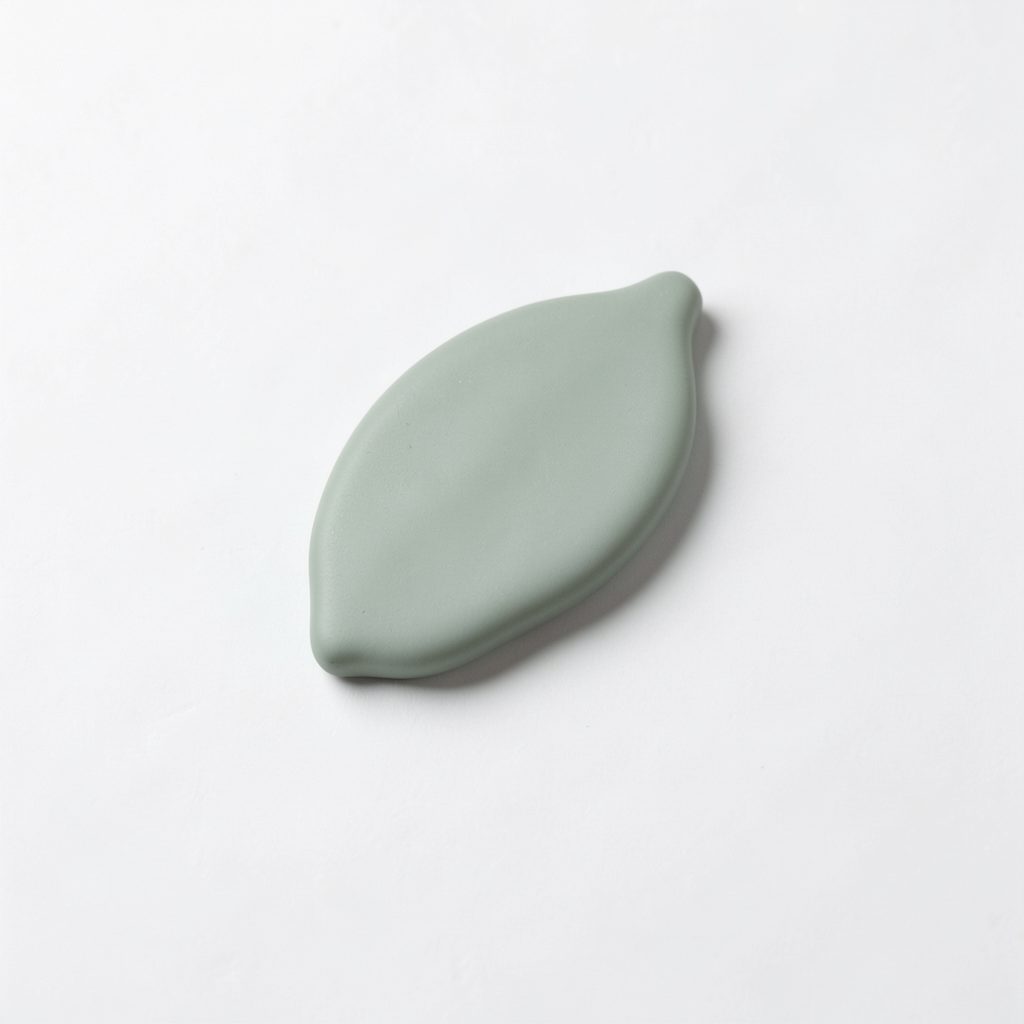
A hook does not have to disappear into the wall. Brass, aged bronze, painted timber, ceramic, forged iron and brightly glazed forms can introduce a deliberate note of colour or texture. A simple black peg may give a graphic edge to a pale hallway, while a hand-shaped ceramic hook can bring a touch of gallery-shop charm to a bedroom.
Consider the object that will hang from it before choosing the finish. A large felt hat may look elegant on a broad, rounded hook, whereas a small leather bag needs a narrower projection that does not overwhelm its shape. For ceramic plates, seek a form with a stable neck and enough clearance to keep the plate from knocking against the wall.
There is also pleasure in mixing periods. A row of contemporary hooks beneath a vintage mirror can make a collection feel current, while antique brass hardware may soften a highly modern interior. Think of the wall as a small still life: each hook should support the composition, not compete with everything around it.
Plan A Display That Feels Collected
A display becomes more convincing when it has variation. Group two or three hats at different heights, place a patterned bag beside a plain one, or alternate a circular plate with a long textile strap. Repetition creates order, while differences in scale and surface keep the arrangement from looking like a shop fitting.
Before drilling, cut paper templates the size of the objects and tape them to the wall. This makes it easier to test spacing around doorways, light switches and furniture. A loose cluster often feels more natural than a perfectly rigid grid, particularly in a living room filled with books, ceramics and framed artwork.
Australian light is another useful consideration. Strong afternoon sun can fade dyed textiles and straw, especially near north- or west-facing windows. Keep valuable bags and fragile woven pieces away from harsh direct light, or rotate the display so that treasured materials are not exposed in the same position year-round.
Match Hardware To Australian Homes
In a rental, removable adhesive hooks may seem convenient, but they are rarely suitable for heavy ceramic plates, leather satchels or a cluster of hats. Check the weight rating carefully and consider the wall surface. Plasterboard, brick, concrete and timber framing all require different fixings, and a hook mounted into a stud will offer far more security than one attached only to plasterboard.
For homeowners, a short visit to Bunnings can provide anchors, screws and a stud finder, but the decorative hardware may be better sourced from an independent design shop, salvage yard or ceramicist. In Melbourne’s creative suburbs, Sydney’s galleries and Brisbane’s homewares stores, hooks often sit somewhere between furniture hardware and small-scale sculpture.
Humidity and salt air matter as well. Homes near the coast can be hard on untreated metal, so marine-grade finishes or sealed brass are sensible choices. In tropical Queensland, allow airflow around leather bags and textiles rather than pressing them tightly against a damp wall. Practical decisions help the display remain beautiful beyond the first styling session.
Make Hats Part Of The Room
Hats are naturally expressive objects. A broad Akubra, a soft felt fedora, a raffia sunhat and a vintage cloche each carry a different silhouette, making them ideal for a hallway or bedroom wall. Hang them where the crown and brim remain visible, rather than stacking them so that the most interesting details disappear.
A practical arrangement is to place the largest hat at one end of a grouping and let the smaller shapes step down beside it. You can use a picture rail, a narrow shelf or a painted timber board as a visual anchor. The board gives several hooks a unified base and avoids the scattered appearance that can happen when individual fixings are placed too far apart.
Keep frequently worn hats near the entry, but make the display generous enough to look intentional when one is missing. A useful collection should work in daily life. There is no virtue in creating a perfect arrangement that has to be dismantled every time someone heads out for a walk along the beach.
Give Bags A Place To Be Seen
Handbags and market totes bring colour, leather, weave and hardware into a room. A line of bags can enliven a plain mudroom, while one beautifully made basket may be all that is needed beside a console. Use hooks with rounded ends to protect handles, and avoid sharp projections that can catch delicate fabric or clothing.
Arrange bags by shape rather than simply by size. A structured leather satchel can balance a soft canvas tote, while a small beaded evening bag may work as a jewel-like accent between larger pieces. Leave enough space for each bag to retain its outline; crowded accessories quickly become visual noise.
If your collection is substantial, rotate it seasonally. Lightweight woven bags and bright cotton totes can come forward in summer, while wool, leather and deeper colours may suit winter. For inspiration beyond conventional storage, online shopping can reveal unusual hooks, wall rails and small furniture pieces from Australian and international designers.
Display Ceramic Plates Without Risk
Decorative plates deserve careful support because their appeal often lies in their irregular glaze, hand-painted rim or distinctive profile. Use purpose-made plate hangers, discreet spring fittings or a secure plate display system rather than relying on a single narrow hook. Test every attachment with an inexpensive plate before hanging a valuable piece.
A plate wall can be symmetrical, but it does not need to be. Combine large platters with small side plates, or place one brightly patterned ceramic among quieter white forms. The arrangement should relate to nearby furniture and artwork, with enough negative space to prevent the wall from feeling like a crowded collection cabinet.
When selecting a location, avoid areas where doors swing, chairs scrape or children and pets can reach the lowest pieces. Earthquake considerations are less prominent in most Australian homes than in some other countries, yet accidental knocks, vibrations and uneven walls still deserve attention. A tiny felt buffer behind each plate can help protect both the ceramic and the painted surface.
Build A Layered Wall Composition
The strongest displays connect objects through colour, line or material. A terracotta hook can echo the warm glaze of a plate; a navy bag may pick up a stripe in a nearby textile; polished brass can relate to a lamp or clock across the room. These quiet repetitions make separate objects feel like a considered collection.
Do not overlook adjacent wall art. A group of hooks can sit below a painting, beside a framed textile or around a mirror, provided the overall arrangement has room to breathe. The wall may become a visual conversation between useful things and purely decorative ones. A collection of vintage spoons, for example, can offer another direction for a tactile display through this wall art idea.
Useful Details Before You Drill
- Test the weight of each object and choose fixings for the wall material
- Leave clearance around handles, brims and plate rims
- Protect delicate surfaces with felt, leather or rubber buffers
- Photograph the arrangement before making permanent holes
Objects Worth Trying
- Straw hats and felt fedoras
- Woven market bags and vintage leather satchels
- Hand-painted plates and small ceramic platters
- Textile pouches, baskets and sculptural ornaments
A well-designed hook display makes everyday possessions available to enjoy, while keeping them organised and protected. Start with one small wall, gather objects with related colours or materials, and let the arrangement develop through use. The most appealing result will feel personal, practical and slightly unexpected—the kind of detail that makes a room unmistakably lived in.