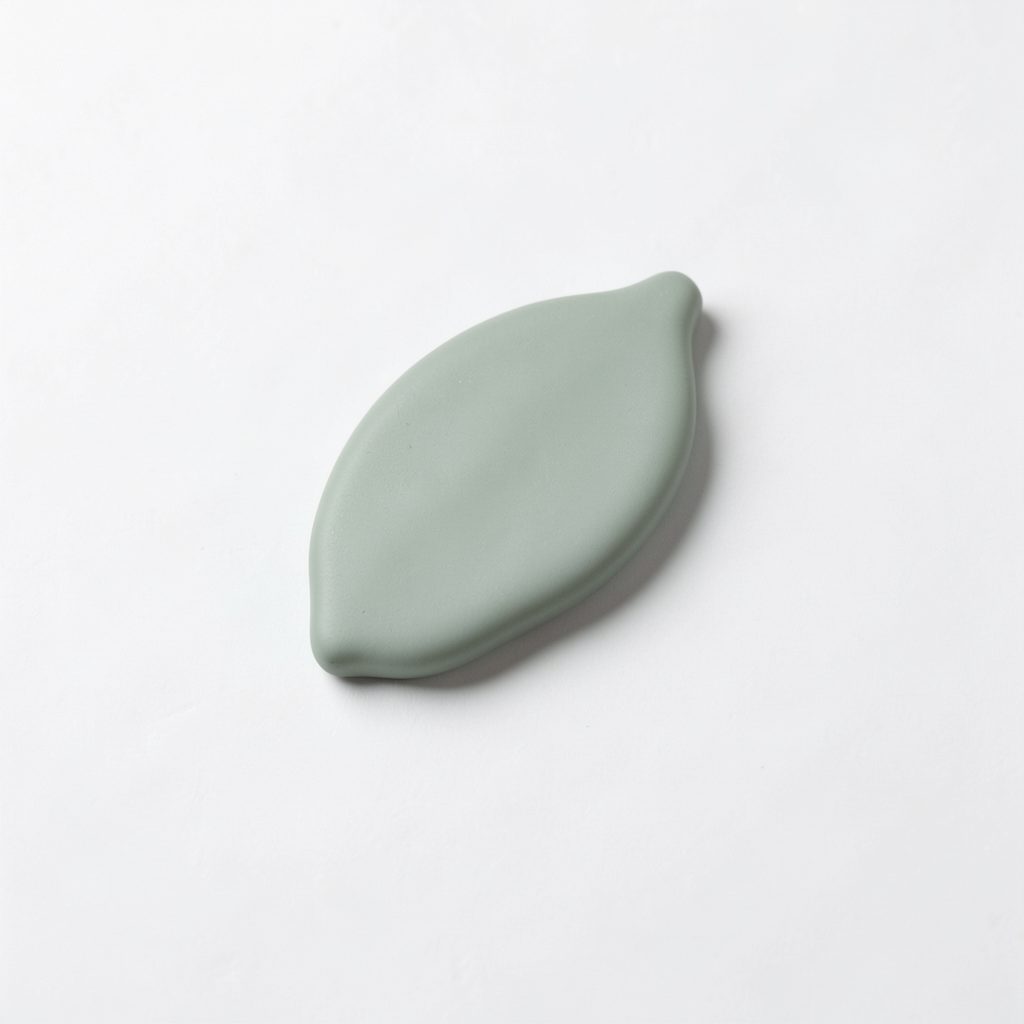
 The Accessorator
Why a ceramic trivet belongs on the wall between meals
A ceramic trivet is usually bought for a practical reason: it protects a dining table, kitchen island or timber sideboard from a hot casserole dish. Yet the same object can hold its own as a small piece of decorative art. Its usefulness gives it an approachable quality, while its glaze, relief, colour and silhouette can bring the visual interest of a collected object into an ordinary room.
When it is not supporting a roasting pan, a tile-like trivet can become a focal point above a coffee station, beside open shelving or within a salon-style arrangement. In Australian homes, where kitchens and living areas often flow together, that shift from tool to wall decoration feels especially natural. The object remains connected to daily life rather than becoming precious or untouchable.
The best examples sit somewhere between functional pottery and contemporary wall art. They might feature hand-painted marks, a wavy edge, a geometric pattern or the irregular surface that signals studio craftsmanship. Hung carefully, a ceramic heat mat can contribute texture and personality without demanding the commitment of a large artwork.
The visual qualities that make a trivet decorative
Shape is the first reason a ceramic trivet can work vertically. Round forms echo plates, mirrors and clocks, while square or rectangular designs create a quiet architectural rhythm. Scalloped edges soften a strict grid, and raised handles or pierced details add shadow when the light moves across the wall.
Glaze gives the piece its second life. A glossy cobalt blue can act as a small burst of colour against white paint, while a chalky matte finish may sit comfortably with linen, timber and natural stone. Speckles, brushstrokes and pooled glaze around the edges make the surface rewarding to inspect at close range.
Think of the trivet as a miniature panel rather than a kitchen accessory. A single bold piece may provide enough punctuation above a narrow console. Several related designs can form a considered grouping, particularly when they share a colour family but vary in pattern and scale.
Choosing a place where function and display meet
A wall near the dining table is an obvious position because the trivet’s original purpose remains visible. It can hang above a bar cart, beside a serving cabinet or near a breakfast nook, where the arrangement feels connected to meals and entertaining. The placement tells a small story: this is an object that works hard, then becomes beautiful when the table is cleared.
In a compact Australian apartment, wall space may be more valuable than bench space. A ceramic trivet above a kettle or coffee machine can bring relief to a practical zone without crowding the work surface. In a Queenslander or a light-filled coastal home, a patterned piece can also balance the relaxed informality of timber floors, woven baskets and indoor plants.
Avoid placing it where steam, splashes or cooking grease will quickly dull the surface. A nearby wall is preferable to the area directly behind a hob. If the trivet is genuinely used, choose a location that lets you remove it easily and return it securely after washing.
Building a small arrangement with confidence
A single trivet has graphic impact, but a group can resemble a small ceramic exhibition. Try arranging three pieces on the floor first, leaving enough breathing room between them. A loose triangle usually feels more relaxed than a rigid row, while a vertical stack can make a narrow wall appear taller.
Collections work best when there is a relationship between the objects. Repeat one colour, glaze quality or motif, then allow differences in shape and scale to prevent the display from looking like a catalogue. A terracotta disc, a blue-and-white tile and a cream relief piece may feel connected through warmth and texture even when they come from different makers.
For inspiration beyond the kitchen, browse creative visual inspiration and notice how artists use repetition, negative space and colour contrast. Those principles translate easily to a wall of small decorative objects. The aim is not perfect symmetry; it is a sense that each trivet has been given room to speak.
Selecting hardware that respects the ceramic
The hanging method matters because a trivet can be heavier and more fragile than a framed print. Adhesive strips may suit a very light tile, but they are a risky choice for handmade ceramics, especially in a warm room or on a textured wall. A discreet plate hanger, purpose-made disc hanger or small bracket fixed into a stud offers greater security.
Before drilling, consider the wall material. Plasterboard, brick and timber require different fixings, and Australian homes can vary considerably between older terraces, renovated cottages and newer apartments. In a rental, a narrow picture rail or removable display ledge may provide a practical alternative, although the object should still be restrained so it cannot slide forward.
Use felt or silicone pads wherever the ceramic might touch a shelf, hook or wall fitting. They prevent scuffing and help stabilise an uneven handmade surface. Keep the mounting hardware visually quiet: the trivet should appear to float, with attention directed towards its pattern and glaze rather than the mechanics behind it.
Connecting ceramics with the rest of the room
A wall-hung trivet becomes more convincing when its colours appear elsewhere. Pick up a green glaze with a velvet cushion, echo a rust-coloured mark in a wool throw, or repeat a cream tone through a vase or lamp shade. This creates a visual conversation between small accessories rather than leaving the ceramic stranded.
The surrounding furniture can be simple. A pale timber console, a vintage Australian sideboard or a dark-stained stool gives the piece a grounded setting. On a coffee table, a tray can gather candles, matchboxes and small vessels; the same approach is explored in this coffee table tray guide, where practical organisation becomes part of the room’s composition.
Plants can soften the display, particularly in bright Sydney or Brisbane interiors where greenery is already part of the decorating vocabulary. A single orchid in a glazed pot offers a restrained companion; see the single orchid guide for a way to keep that arrangement elegant rather than crowded. Let the trivet remain visible instead of hiding it behind tall leaves.
Finding pieces with character in Australia
Australian design markets, gallery shops and independent ceramic studios are excellent places to find trivets with a point of view. Melbourne’s craft and gallery culture often rewards experimental glazes and earthy palettes, while Sydney’s design stores tend to offer polished pieces suited to contemporary apartments. Local makers at weekend markets may produce small batches, so colour and shape can change from one release to the next.
Regional shopping has its own appeal. A piece found in a Blue Mountains gallery, a Hobart design shop or a Byron Bay makers’ market carries a sense of place that a mass-produced accessory may lack. Look for makers who explain their clay bodies, firing methods and care instructions. Those details help distinguish a durable trivet from a decorative tile that is unsuitable for heat.
Online shopping can widen the search, particularly for Australian customers looking beyond local stockists, but check dimensions, weight, hanging suitability and postage protection before ordering. A useful starting point is online shopping, especially when comparing independent retailers and handmade collections. Remember that imported ceramics may involve higher shipping costs, limited returns or a longer wait for replacement pieces.
A trivet does not need to announce itself as art to function as art. Its appeal comes from the tension between service and display: it can protect a table today, then add colour and tactility to a wall tomorrow. Choose one with a surface you enjoy seeing, give it secure support and let its everyday history remain part of the room.
Bring a favourite ceramic trivet out of the cupboard and treat it as a small artwork. Whether you hang one bold piece near the dining area or build a layered arrangement from several makers, the result will add craftsmanship and character to the spaces where life actually happens.