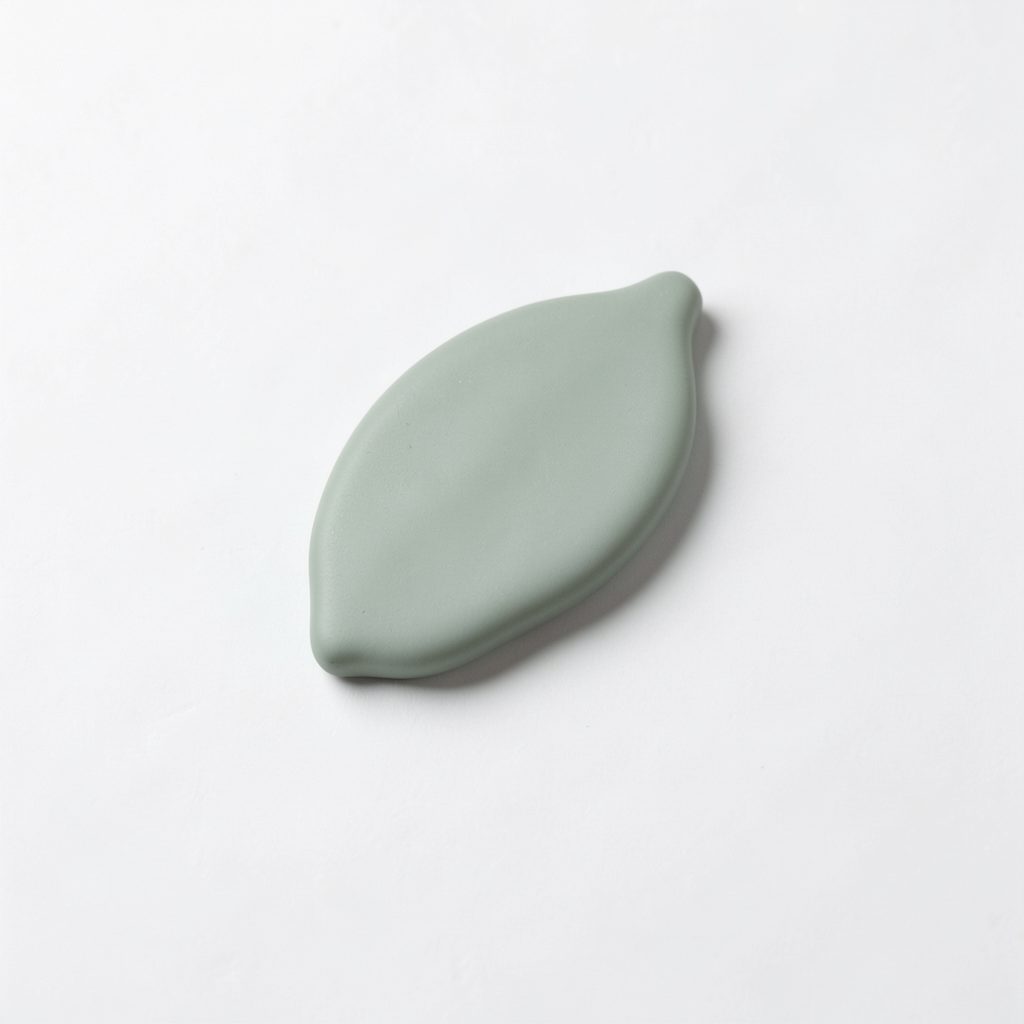
 The Accessorator
Why a Linen-Covered Storage Box Belongs on Every Open Shelf
Open shelving has a particular visual energy. Books, ceramics, framed prints and small collected objects remain visible, allowing a room to feel personal rather than showroom-perfect. Yet shelves can quickly become crowded with loose cables, spare candles, remote controls, receipts and the small practical items that do not contribute much to the composition.
A linen-covered storage box solves that tension with unusual grace. It conceals everyday clutter while introducing texture, colour and a softly tailored note. Unlike a glossy plastic container, it looks at home beside hand-thrown pottery, woven baskets or a stack of art books.
Linen also has the quiet irregularity that makes a room feel lived in. Its slubs catch the light, its weave sits comfortably beside timber and metal, and its muted tones support stronger accessories without competing for attention. In a coastal Sydney apartment, a Melbourne terrace or a Brisbane living room, that tactile quality can make open storage feel warmer.
The most successful boxes are chosen as decorative objects in their own right. Proportion, lid construction, fabric weight and colour all matter. A useful container should disappear when necessary, yet still reward a closer look when placed among favourite things.
| Storage option | Visual effect | Best use |
|---|---|---|
| Linen-covered box | Soft, layered and decorative | Cables, papers, remotes and seasonal accessories |
| Woven basket | Relaxed and organic | Throws, toys and larger everyday items |
| Lacquered box | Refined and graphic | Jewellery, stationery and small valuables |
| Plain plastic tub | Practical but visually neutral | Hidden cupboards or utility storage |
Texture That Softens Hard Shelving
Timber, glass and powder-coated steel shelves can create strong horizontal lines. A linen box interrupts those edges with a quieter surface, bringing a sense of softness without adding another loud pattern. This is especially useful when a room already contains marble, polished brass or angular furniture.
The fabric does not need to be pale. Charcoal linen can anchor a shelf of cream ceramics, while olive, rust or indigo can echo colours found in a rug or artwork. In Australian interiors, where pale oak, rattan and natural stone are enduring favourites, flax, oatmeal and warm grey offer an easy bridge between materials.
Texture becomes more interesting when repeated with restraint. A linen box might relate to a loose-weave cushion, a woven lampshade or the raw edge of a framed textile. The effect is layered rather than matched, which keeps the shelf from looking overly coordinated.
A Practical Answer to Everyday Clutter
Open shelving often carries objects from several parts of life. A home office may share a wall with a sitting area, or a bookcase may hold children’s games alongside collected glassware. A lidded box provides a discreet place for the visual noise that accumulates around these zones.
Choose the size according to the clutter it will contain, rather than buying a box simply because its colour is appealing. A shallow rectangular style can hold charging leads and instruction manuals. A taller cube may accommodate folded napkins, spare light bulbs or small craft materials. Interior dividers are valuable for tiny objects that otherwise become tangled.
Ventilation and access deserve attention too. Linen-covered storage is better for dry goods, stationery and textiles than for damp towels or anything that may leak. In homes where summer humidity is a concern, particularly in coastal Queensland, leave a little breathing room around the box and avoid storing moisture-sensitive items inside it.
Making An Open Shelf Look Collected
A shelf gains character when the eye can move between useful items and purely beautiful ones. Place a linen box beside a ceramic vessel, then offset the arrangement with a low stack of books or a small sculpture. The box becomes part of a still life rather than an obvious attempt to hide mess.
Vary height and orientation. Two identical boxes can look disciplined when stacked, while three may feel too formal unless broken up by artwork or a plant. Turning one box slightly can reveal the fabric edge and lid, giving the arrangement a more relaxed rhythm.
Colour should be considered across the whole room. A soft blue box might connect a patterned cushion to a painted artwork, while a terracotta shade can pick up the warmth of timber and aged brass. This is where accessories earn their place: they create relationships between objects that may have been purchased years apart.
For a room that changes with the seasons, a storage box can also house cushion covers, lightweight throws or smaller decorative pieces between uses. A considered pillow rotation guide makes that transition easier without requiring a new collection every few months.
Choosing Linen, Colour And Finish
Pure linen has a naturally relaxed appearance, but blends can be more resistant to creasing and everyday wear. Look for a tightly woven cover, neatly finished corners and a lid that sits securely. If the box will be handled frequently, a reinforced base prevents the fabric from dragging across the shelf.
Neutral shades are versatile, though they should still relate to the room’s undertones. A yellowed ivory can look beautiful with warm white walls and honey-toned timber, while a cooler stone shade may suit concrete, blackened steel and blue-grey upholstery. Ordering samples is worthwhile when shopping online, as Australian daylight can reveal colour differences that showroom lighting conceals.
Pattern is possible, provided it has a clear relationship with the surrounding scheme. A narrow stripe, small check or embroidered motif can add charm to a restrained shelf. In a maximalist room, a plain linen box may be the calmer element that allows patterned ceramics and art to take the lead.
The Right Scale For Australian Homes
Many Australian homes combine generous living areas with compact storage, so a box must work within the actual depth of the shelving. Measure the internal width, height and clearance above the shelf before purchasing. Allow enough space to lift the lid without striking a nearby artwork or upper shelf.
In a Melbourne terrace, a tall narrow bookcase may benefit from two small boxes arranged vertically. A broad built-in unit in a Perth family room can take a larger pair, balanced by baskets or framed works. For apartments in Sydney or inner-city Brisbane, shallow boxes are often more useful because they preserve circulation space and keep shelving visually light.
Consider dust as well as decoration. Open windows, ceiling fans and dry weather can send fine particles across exposed shelves. A fitted lid protects less frequently used objects and reduces cleaning, while the linen exterior can be gently vacuumed with a brush attachment. Keep the box away from prolonged direct sun if its colour is prone to fading.
Styling The Box As An Accessory
The box should have breathing room. Leaving a little shelf visible around it prevents the arrangement from feeling packed and gives the linen surface enough space to register. One box can sit beneath a framed print, while a second may ground a group of smaller objects on an adjacent shelf.
Use contrast to keep the composition lively. Pair a soft linen box with glossy porcelain, a rough ceramic bowl or a sculptural metal object. A round clock beside a rectangular box creates a pleasing shift in shape, and a trailing plant can soften the vertical edge of a bookcase.
The best choices usually reflect the atmosphere of the home rather than a passing trend. Judi Roaman’s profile and perspective offer a useful reminder that accessories can be approached with the same curiosity as art, fashion and furniture: through colour, material, craftsmanship and the stories objects carry.
A linen-covered box earns its place because it performs two roles at once. It protects and organises the ordinary things of daily life, while contributing enough texture and colour to feel intentional. Add one to an open shelf beside objects you love, and let its practical purpose become part of the room’s visual language.