 The Accessorator
The Joy of Ceramic Fruit in a Collected Home
I collect ceramic fruits as whimsical accents because they bring an unexpected sense of abundance to a room. A bowl of glossy pears, a painted lemon, or a small cluster of porcelain cherries can suggest a still life without feeling formal or overly precious. These objects carry the visual language of nature, yet their solid, crafted surfaces make them wonderfully adaptable to interiors.
Fruit also has an immediate emotional quality. It recalls markets, gardens, festive tables, and the generosity of a well-set home. When translated into clay, glass, or porcelain, familiar forms become decorative punctuation: a flash of color on a bookshelf, a sculptural note beside a lamp, or a playful centerpiece on a dining table.
The best examples sit comfortably between art object and household accessory. They reward close inspection through crackle glaze, hand-painted marks, unusual proportions, or a slightly eccentric silhouette. That combination of recognition and surprise is what makes them so compelling.
Why Fruit Belongs In Interior Design
Decorative fruit has a long history in visual culture. Painters have used apples, grapes, figs, and pomegranates to express plenty, temptation, mortality, and sensual pleasure. Ceramic artists borrow some of that symbolism, but they can also make the subject lighter and more contemporary. A bright orange made from earthenware may carry art-historical associations while still looking entirely at home in a modern apartment.
There is a practical reason these pieces work so well, too. Their rounded shapes soften the strong lines of shelves, consoles, and coffee tables. A group of ceramic apples can interrupt a procession of books, while a single pear can add weight to an otherwise airy arrangement. Unlike fresh produce, they remain crisp, colorful, and available throughout the year.
The Appeal Of Crafted Abundance
I am drawn to the tension between the humble subject and the skilled making. Fruit is ordinary, even temporary; ceramics are durable, deliberate, and often labor-intensive. That contrast gives a small object a surprising presence. A hand-thrown fig with a deep purple glaze may feel more distinctive than a conventional vase because it asks us to look at an everyday form differently.
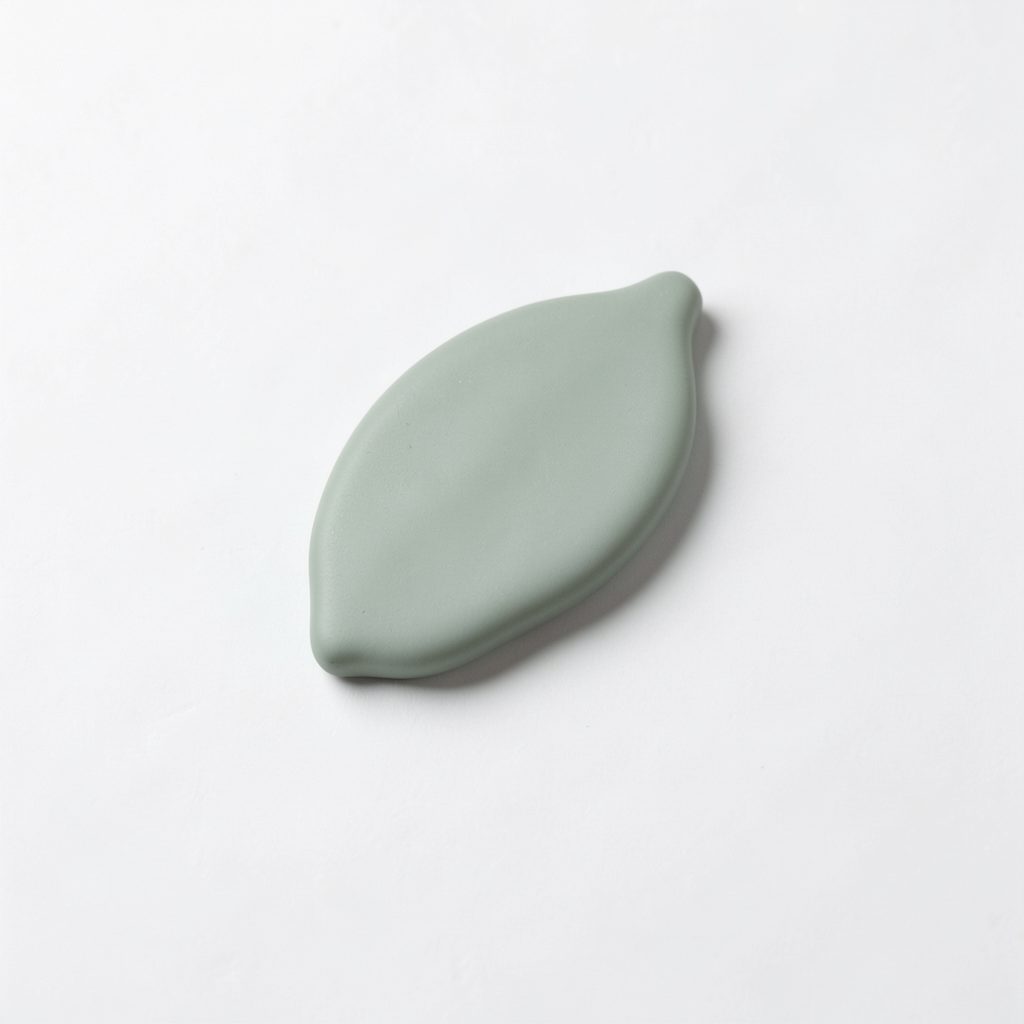
Surface is central to the pleasure. A matte finish can make a lemon resemble chalk or stone, while a high gloss gives a cherry the polished intensity of candy. Speckling, brushwork, ridges, and imperfect edges reveal the maker’s hand. These details connect ceramic fruit to the wider world of collected objects, where evidence of process often matters as much as color or shape.
The pieces also make excellent companions to other materials. Placed near linen, aged wood, rattan, or hammered metal, they introduce a hard, luminous counterpoint. The effect can be especially appealing in rooms that already favor natural textures and quiet neutrals.
Color, Shape, And Scale
Color determines whether a fruit object whispers or takes command. Cream, pale green, and soft terracotta integrate easily into a restrained palette. Cobalt, persimmon, chartreuse, and tomato red create a more theatrical accent. I like selecting one unexpected shade that appears elsewhere only in small traces, such as a stripe in a cushion or a detail in a painting.
Shape matters just as much. A long, elegant pear gives height to a low arrangement, while squat pumpkins and apples create a grounded cluster. Small berries can fill the gaps between larger objects, functioning like decorative punctuation. Repetition creates rhythm, but variation keeps the arrangement from looking like a store display.
Scale should relate to the furniture around it. Oversized ceramic fruit can hold its own on a broad dining table or substantial mantel, while miniature pieces are better suited to a bedside table, narrow ledge, or open shelf. The goal is to let the object register from across the room and reward a closer view when someone moves through the space.
Ways To Display A Playful Collection
A shallow bowl is the most familiar setting, but it is far from the only option. I enjoy arranging a few pieces on a low tray, placing one beside a stack of art books, or giving a single sculptural fruit its own plinth. A footed compote adds height and ceremony, whereas a simple wooden bowl makes the collection feel relaxed and market-inspired.
A bookshelf offers several opportunities for contrast. Ceramic fruit can sit beside vessels with different finishes, and the arrangement becomes more successful when the eye can move between books, art, and objects. For a detailed approach to combining surfaces, ceramic textures can provide useful visual direction without making every shelf feel coordinated.
| Display setting | Best ceramic fruit choice | Decorative effect |
|---|---|---|
| Dining table | A bowl of mixed fruit | Generous and sociable |
| Bookshelf | Two or three varied forms | Rhythmic and collected |
| Console | One large pear or pumpkin | Sculptural and composed |
| Bedside table | A small apple or cherry pair | Intimate and playful |
| Kitchen shelf | Citrus in bright glaze | Fresh and energetic |
Grouping by color can create a calm, edited impression, while grouping by type feels more graphic. Three green pears may look sophisticated; a pear, lemon, and pomegranate may feel more like a miniature still life. Leave some breathing room around the arrangement so the objects retain their individual silhouettes.
Pairing Ceramic Fruit With Textiles And Art
Whimsical accessories become more convincing when they participate in a room’s broader material story. A glazed pomegranate against a nubby textile gains richness because the smooth surface contrasts with the fabric’s irregularity. A striped ceramic lemon can echo a patterned pillow without matching it exactly. These relationships make decorating feel intuitive rather than themed.
Soft wall decor can create a similarly useful balance. If a collection of fruit feels too glossy or visually dense, placing it near woven wall hangings introduces warmth and movement. The contrast between fiber and fired clay is especially effective in rooms that combine contemporary furniture with vintage or handcrafted pieces.
Artwork can guide the color story. A still life, botanical print, or abstract painting with warm reds may make a ceramic apple feel intentional. Yet the pairing does not need to be literal. A blue-and-white vase, an embroidered cushion, or a framed fashion illustration can provide enough shared color or mood to connect the objects.
Buying And Caring For Decorative Fruit
When shopping, I look for personality before perfection. A piece with a slightly lopsided form or an unusual glaze may have greater character than a technically flawless reproduction. Check the underside for a maker’s mark, examine painted details closely, and consider how the object feels in the hand. Weight, balance, and finish often reveal quality more clearly than size alone.
It is useful to decide whether a piece is meant to be noticed individually or absorbed into a group. A highly detailed ceramic strawberry may deserve a solitary position, while plain glazed apples can gain energy through repetition. Collecting gradually allows the arrangement to develop a point of view rather than becoming an assortment of unrelated purchases.
Dust ceramic fruit with a soft, dry cloth and avoid abrasive cleaners that can dull a glaze or disturb painted decoration. Handle thin stems and leaves carefully, especially on older pieces. If the objects sit in direct sunlight, rotate them occasionally to reduce uneven fading, and use felt pads beneath heavier forms on polished furniture.
A Thoughtful Way To Build The Collection
A playful collection benefits from a little editing. Before buying another piece, consider its color, height, finish, and relationship to what you already own. The strongest groupings usually include variation, but they still share a quiet connection through palette, period, or craftsmanship.
- Begin with one fruit that has a distinctive silhouette or glaze
- Add varied sizes rather than purchasing identical pieces
- Repeat a color found in nearby textiles, art, or furniture
- Mix glossy, matte, smooth, and textured ceramic surfaces
- Leave room for the collection to evolve over time
Ceramic fruit offers a small, accessible way to bring sculpture, color, and humor into everyday surroundings. It can make a formal room friendlier, a minimalist shelf more expressive, or a familiar corner feel newly observed. Browse galleries, flea markets, design shops, and artists’ studios with an eye for the unexpected, then give each chosen piece enough space to show why it caught your attention.