 The Accessorator
Arrange a shelf with a ceramic bust, plant and coasters
How to arrange a shelf with a ceramic bust, a small plant, and a stack of coasters is mostly an exercise in visual balance. The three objects have different jobs: the bust supplies height and character, the plant adds a note of green, and the coasters bring pattern plus everyday usefulness. Leave enough room around them for each to register instead of squeezing everything into one crowded row.
Begin by looking at the bust rather than the shelf. Its colour, glaze and posture will set the mood. A pale, sculptural head may need less around it than a dark or highly patterned one, while an expressive profile naturally wants something to face. Decide whether it should command the arrangement or act as a quiet anchor at one end.
The plant should be low enough to keep the bust readable, and the coasters should form a low, orderly counterweight. These choices matter on narrow shelves in Australian apartments, where one too many accessories can make a small display feel busy. The aim is a composed vignette that still feels easy to maintain.
Before moving anything, clear the shelf and study its proportions. Measure the usable width and depth, note the height of any nearby books or objects, and check the light falling across the surface. That simple bit of planning often removes the temptation to keep adding pieces after the main trio is in place.
Measure the shelf and give each object a role
Measure the space rather than relying on guesses, especially if the shelf is recessed or has a visible lip. A bust around 20 to 30 centimetres tall often works well on a typical shelf, but the right size depends on the clearance below. Leave a few centimetres at the top so it does not look trapped, and keep the plant from crowding its face.
Position the tallest object off-centre, near one third of the shelf. The plant can sit lower and slightly forward, creating a gentle triangle, while the coasters can close the group on the opposite side. This asymmetrical arrangement feels calmer than placing everything in a straight line, yet it still reads as deliberate from across the room.
Round ceramics can also be used away from their expected spots. The guide to decorating with decorative plates shows how useful and beautiful forms gain new character when treated as display objects. That same attitude suits a small coaster group: stack it with intention rather than leaving it as an incidental pile.
Balance the bust and let the plant soften it
Think of visual weight as colour, volume and darkness working together. A charcoal bust carries more weight than a cream one of the same size, so it may need a little breathing space rather than a crowded companion. A glossy green plant is also visually active, especially in dappled light, and can balance a pale head without competing with it.
Choose a compact plant with a tidy habit. A small ZZ plant, pothos or hoya can cope with the changeable light found in many Australian homes, though the right choice depends on warmth, humidity and how often you can water it. Use a ceramic pot that relates to the bust in colour or finish, or choose a neutral pot when you want the sculpture to remain the focus.
For more of the collect-and-layer approach I enjoy, Accessorator decorating ideas is a useful well of inspiration. I often look for one strong silhouette, one contrasting texture and a few humble objects, then test them at home. That is enough to make a shelf feel collected without turning it into a showroom.
Turn the coasters into a layered accent
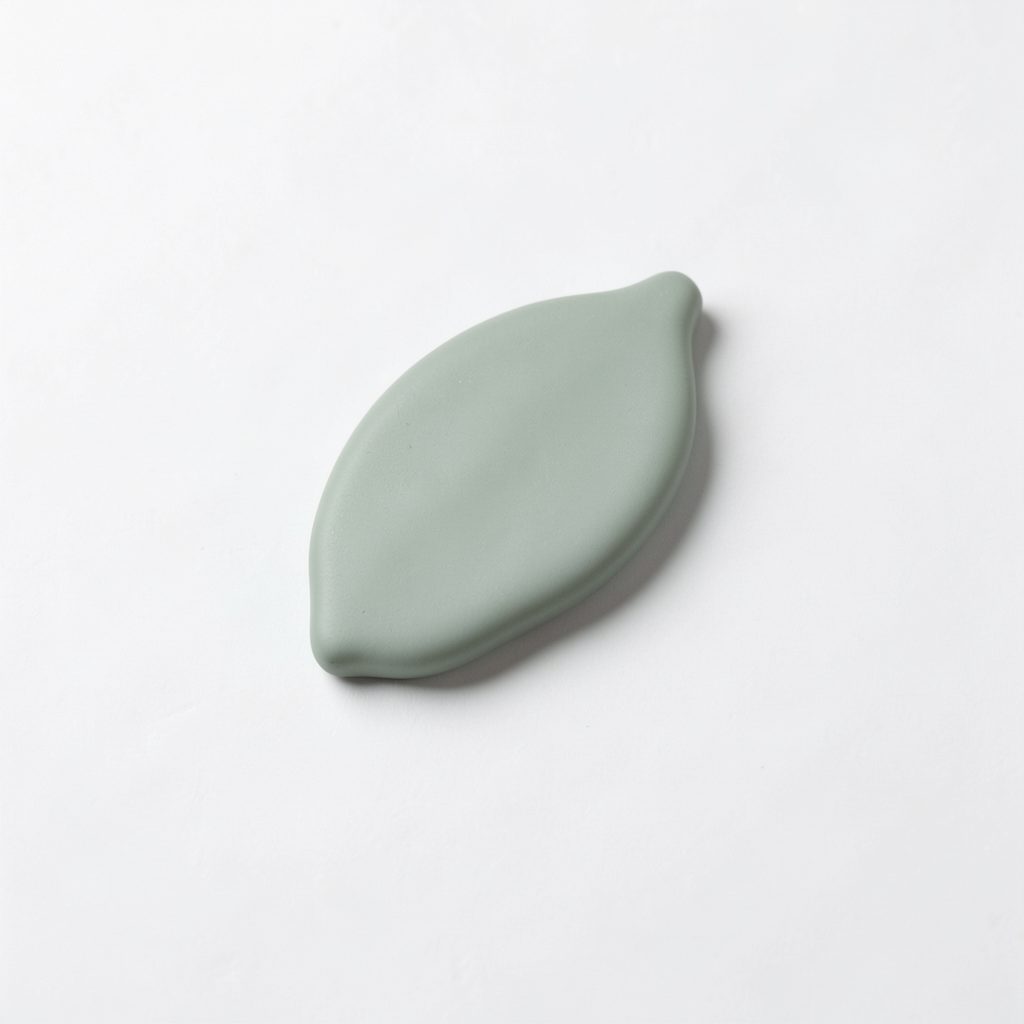
A stack of coasters works best when the edges create rhythm. Alternate colours or finishes, and turn the top piece slightly so a different motif peeks out. If they are square, try one small rotation; if round, vary the direction of any printed pattern. The result should look casual, but each visible layer should have a reason for being there.
Material matters as much as arrangement. Glazed stoneware catches light, cork feels warm and tactile, and resin or printed coasters can supply a burst of colour. I keep a simple Emily’s project list for rooms and objects I want to source, which helps prevent a last-minute trip from producing another crowded shelf.
The stack can hold pens, a small pair of glasses or a key, provided the objects do not rise above the bust. If the coasters are purely decorative, place them near an edge where their pattern can be seen. If they are used often, keep them within reach and build the composition around that practical zone.
Bring Australian light, craft and market details into play
In Australia, daylight can be fierce. North-facing windows in Sydney, Brisbane and other warm cities can bleach a glaze or scorch a leaf, so rotate the arrangement and check it at different times of day. South-facing rooms in Melbourne and Hobart may need a mirror or warm lamp to reveal the bust’s contours. Curtains and UV-filtering film can protect both ceramics and plants.
Local makers and design markets are another useful influence. Search the studios and galleries around Melbourne’s Brunswick and Collingwood, or Sydney’s Surry Hills and The Rocks, then look for small potters whose work suits the scale of a shelf. Australian prices are in dollars and GST, and in-store purchases generally include it; online sellers may show a different total, so compare the final cost before buying.
Australian English adds a relaxed note: a friend might call the finished grouping “a beaut” and say, “She’ll be right,” even when the plant is still settling after a move. These placement checks can keep the display practical:
- Keep the bust’s face clear and turn it toward the room’s main viewpoint.
- Match the plant pot’s width to the coaster stack for a stable visual base.
- Leave the front edge free enough to lift a coaster without disturbing the sculpture.
- Move the group away from radiators, strong heaters and air-conditioning vents.
When sourcing locally, consider:
- A nursery near you for a plant suited to your light and watering routine.
- A local pottery for a bust or vessel with an Australian maker’s mark.
- A market stall for unusual coasters, but compare the price per set.
- An online Australian retailer for replacements, checking delivery damage policies.
Make the arrangement personal and ready to change
The final shelf should reveal something about you: a love of calm colour, a preference for pattern, collected travel pieces or objects bought from a favourite maker. Keep one material that repeats across the three pieces—a shared glaze, a touch of brass or the same floral motif—so the grouping feels connected without looking styled to within an inch of its life.
Give the composition permission to evolve. Coasters can move when they are needed, the plant can be replaced after a holiday, and the bust can face a new direction. If you enjoy documenting rooms or turning an eye for objects into a small creative business, a freelance writing side hustle offers a practical way to explore that interest beyond the shelf itself.
Clear one section of the shelf now, place the bust slightly off-centre, tuck the plant into the lower foreground and build the coaster stack beside it. Step back, check the spacing and live with the result for a day before making another adjustment.