 The Accessorator
Styling a Window Seat with Cushions, a Tray, and a Lantern
A window seat is one of the most generous architectural gifts a room can offer. It invites you to pause, settle in, and let the view become part of the décor. With the right accessories, this small architectural moment transforms into a styled destination, somewhere between a reading alcove, a coffee corner, and a quiet exhibition of the things you love.
The magic lies in restraint combined with intention. A cushion invites the body, a tray organises the small rituals of the day, and a lantern softens the room after sunset. In Australia, where light shifts quickly from bright midday glare to a coppery coastal dusk, these three accessories do more than decorate. They choreograph how a window seat performs from morning through evening.
Choosing the Right Window Seat Foundation
Before any styling begins, consider the bones of the seat. A solid timber bench, a built-in upholstered nook, or a slim daybed pushed against the glass will dictate everything that follows. In heritage Sydney terraces around Paddington and Surry Hills, built-in window seats are often narrow and deep, requiring cushions that fill without overwhelming. In newer Brisbane apartments along the river, alcoves tend to be taller and shallower, calling for a thinner pad and a stronger vertical play of pattern above.
The fabric on the seat itself sets the tonal foundation. A neutral linen in oat, sand, or chalk creates breathing room for bolder accessories. If you are working with an existing timber bench, treat the wood as part of the palette rather than a backdrop. Spotted gum, blackbutt, and Tasmanian oak each carry different warmth, and the cushion colours should either echo or deliberately contrast their undertones.
When you have only two soft pieces to work with, a single plump pillow paired with a smaller lumbar cushion can read as intentional rather than sparse. The two pillows and a lamp approach walks through how this minimal layering still creates a sense of enclosure. The principle translates beautifully to a window seat, where the architecture already supplies the enclosure.
Layering Cushions for Comfort and Color
Cushions on a window seat should feel collected, not coordinated. A mix of scales is forgiving: one large square in a botanical print, a smaller rectangular cushion in a quiet stripe, and perhaps a round bolster in a solid textile. The round shape softens the geometry of the window frame and adds a slightly unexpected silhouette.
Colour matters as much as pattern. In a sunlit Adelaide Hills home with views toward the vineyards, dusty terracotta and eucalyptus green echo the landscape without copying it. In a Fremantle cottage facing the Indian Ocean, washed indigo and chalk blue feel inevitable. The aim is to bring the outdoors inward through pigment, allowing the seat to feel like a natural extension of the surrounding environment.
For tactile depth, layer a heavyweight linen with a brushed cotton or a wool-cotton blend. A single really good oversized throw, folded at one end of the seat, doubles as extra lumbar support for long reading sessions. The weight of the textile also grounds the arrangement, keeping lighter printed cushions from looking like they are floating.
The Tray as a Stylish Anchor
A tray on a window seat performs the same role as a frame around a painting. It tells you where to place objects, and it elevates the everyday into a deliberate tableau. The tray does not need to be large; in fact, a small to medium tray works best on most window seats, leaving room for cushions and a folded throw on either side.
Material choice carries meaning. A rattan or cane tray suits a coastal Queenslander with its breezy texture. A lacquered black tray reads more graphic and modern, right at home in a Melbourne laneway apartment. A hammered brass tray adds warmth against cool whites and greys, and catches afternoon light beautifully when positioned on the sill.
Inside the tray, curate rather than fill. A small stack of art books, a ceramic vessel holding matches, a brass incense holder, and a single stem of dried banksia or eucalyptus can be enough. Rotate the contents seasonally: in winter, a tiny pile of vintage Penguin paperbacks and a thermos; in summer, a linen-bound sketchbook and a glass tumbler. The tray becomes a record of how you actually use the seat.
Lantern Lighting for Evening Glow
Lighting is where a window seat reveals its second personality. Daylight is generous in most Australian homes, but evening transforms the seat into something more intimate and theatrical. A lantern placed on the seat itself, on a low stool beside it, or on the floor in front changes the entire mood.
Scale matters. A tall Moroccan-style lantern feels dramatic against floor-to-ceiling glass, while a squat Japanese paper lantern suits a low, deep window seat in a Victorian-era Melbourne home. In a contemporary Sydney apartment with harbour glimpses, a clear glass hurricane lantern keeps the view unobstructed while still offering a flame.
Candles inside the lantern should be unscented if the seat is used for reading, since fragrance competes with concentration. For households with children or pets, consider a battery-operated pillar candle with a timer. The flicker alone, even from an LED, alters the way colour reads in the room, softening patterns and deepening warm tones.
If you prefer ambient light without flame, a small ceramic lamp tucked beside the tray works beautifully. Position it slightly behind the seat so it grazes the cushions and throws a halo onto the wall. Pair it with an oversized wool throw and the corner becomes a year-round retreat.
Australian Touches for Local Character
The finishing layer is what makes a window seat feel rooted in place. Beyond the cushions, tray, and lantern, a few considered details can anchor the arrangement in an Australian sensibility without veering into kitsch.
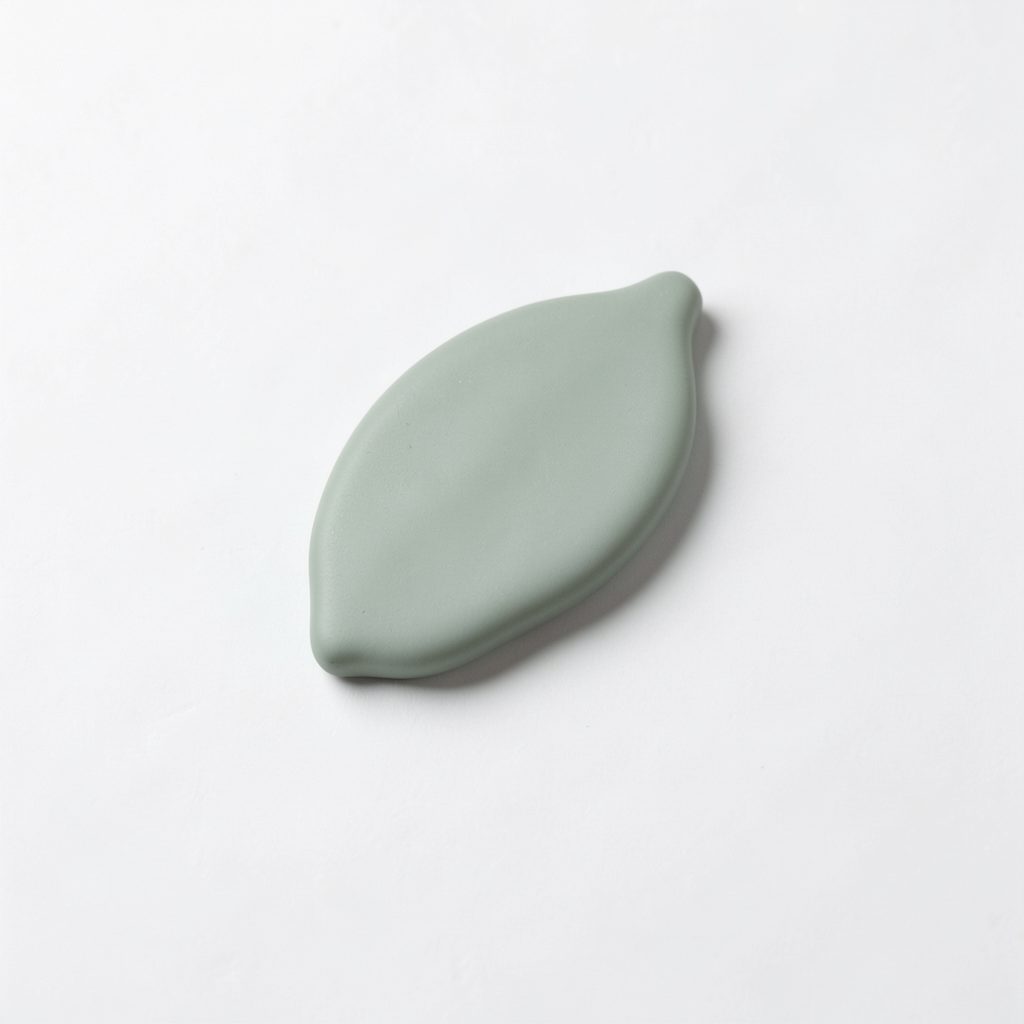
A small ceramic object on the tray or on a narrow shelf above the seat, sourced from a local maker at the Finders Keepers market in Sydney or the Rose Street markets in Melbourne, brings an unmistakable sense of provenance. Even something as humble as a handmade doorstop can introduce a singular hit of colour that ties the whole composition together.
For greenery, look to what grows locally rather than imported stems. A low pot of kangaroo paw, a sprig of wattle in a slim bud vase, or a single branch of banksia placed in a stoneware jug all carry their own botanical poetry. In coastal areas, a piece of weathered driftwood leans nicely against the side of the seat. In dry inland gardens, a dried sheaf of native grass repeats the linear rhythm of the window mullions.
Art placed above the window seat completes the picture. A framed textile fragment, a small still-life painting, or a black-and-white photograph at eye level when seated adds the kind of visual conversation that turns a seat into a destination. The arrangement works hardest when it feels assembled over time, layered like a collage rather than styled in a single afternoon.
If you are ready to build your own window seat moment, start with one cushion you love, the tray that lives in your kitchen, and a lantern borrowed from the garden shelf. Arrange them where the light falls, then sit, read, and adjust. The seat will tell you what it needs next, and the corner will slowly become a small portrait of how you live.